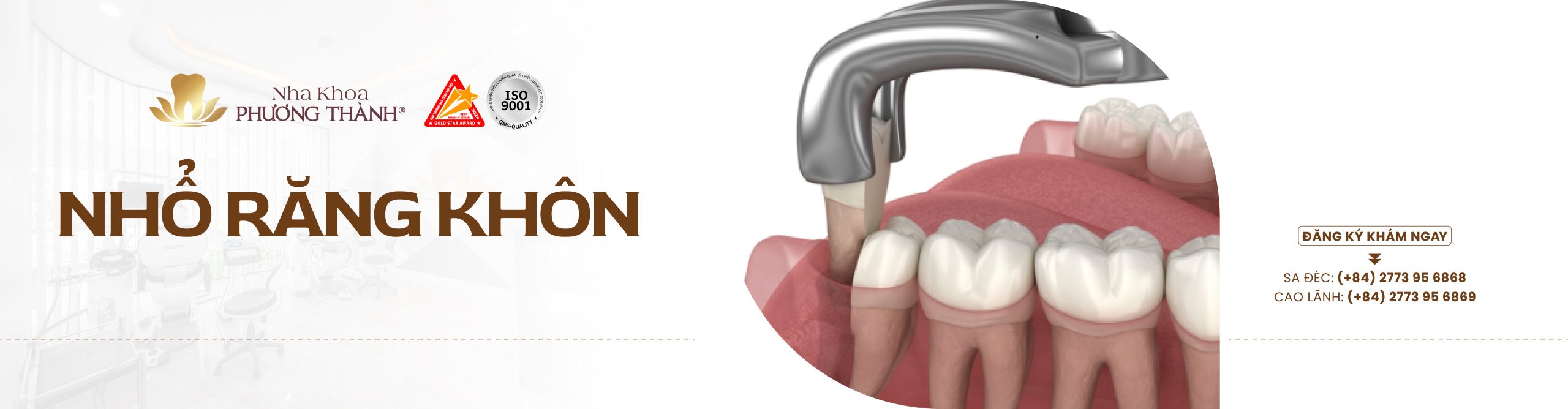


Wisdom teeth are the four last teeth to erupt in the upper and lower jaws, usually appearing between the ages of 17 and 25. The eruption process may take a few days, several weeks, or even months. Some people may never develop wisdom teeth at all.
A major concern is that wisdom teeth often grow at an angle, remain impacted, or push against adjacent teeth. These conditions can cause persistent pain, gum swelling, and may negatively affect chewing function as well as overall oral health.
When you experience pain caused by erupting wisdom teeth, it is important to visit Phuong Thanh Dental Clinic for a dental examination and X-ray imaging.
Based on the examination results, the dentist will recommend an appropriate treatment plan. In most cases, impacted or misaligned wisdom teeth are advised to be extracted to relieve pain and prevent serious complications.
Wisdom teeth usually erupt after the jawbone has fully developed, which makes them prone to misalignment, impaction, or lack of space—often causing pain and affecting overall oral health. Common reasons for wisdom tooth extraction include:
Misaligned or impacted wisdom teeth: Growing at an angle or remaining impacted can cause pain, gum inflammation, food impaction, and damage to adjacent teeth.
Wisdom teeth without opposing teeth: Over-eruption may occur, causing the tooth to rub against the cheek or tongue, leading to sores and difficulty maintaining oral hygiene.
Decayed wisdom teeth or pulp infection: These are difficult to treat and carry risks of abscesses, alveolar bone infection, and potential systemic effects.
Orthodontic concerns: Wisdom teeth may cause crowding or interfere with tooth alignment, requiring extraction to create adequate space.
Special cases: Preventive extraction is often recommended for individuals planning pregnancy or those who will be away for long periods (such as sailors, students studying abroad, or long-term business travelers) to avoid future complications.
At Phuong Thanh Dental Clinic, the wisdom tooth extraction procedure is carried out as follows:
Wisdom tooth extraction is performed through a safe and standardized process, including clinical examination, X-ray imaging, local anesthesia, and tooth removal. This approach helps minimize pain, reduce complications, and ensure a fast and smooth recovery for patients.



Early removal of impacted or misaligned wisdom teeth not only relieves prolonged pain but also offers multiple benefits for overall oral health.

Phuong Thanh Dental Clinic offers a wide range of dental services, from basic to advanced treatments, with efficient procedures and direct care provided by specialist dentists.

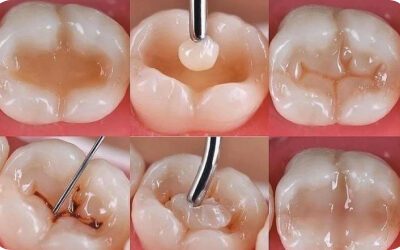
Cosmetic dental filling is a technique that quickly restores missing or damaged tooth structure. At Phuong Thanh Dental Clinic, dental fillings are performed according to medical standards, ensuring a natural appearance that blends harmoniously with the surrounding teeth.
View more

A wide range of services is available, including cavity fillings, tooth extractions, and orthodontic treatment for children aged 6 and above. Our dentists understand children’s psychology, communicate gently, and provide a dedicated play area to help children feel comfortable during each visit.
View more
TESTIMONIALS
Before coming to Phuong Thanh Dental Center, I always felt self-conscious about my smile because my teeth were misaligned and uneven in color. However, thanks to the dedicated consultation and professional treatment plan from the dental team, my smile has completely transformed. Not only was I treated with modern equipment, but every step of the procedure was also carefully explained to me. As a result, I now have a radiant smile and feel much more confident. Thank you, Phuong Thanh Dental Center, for bringing about such a meaningful change!






Phuong Thanh Dental – Where solid expertise meets dedication, always ready to walk with you for safe and effective oral health.
Q&A

You can book an appointment online with Phuong Thanh Dental Clinic through the following platforms: our Website, Facebook, Zalo OA, and TikTok.
You should visit the dental clinic for a routine check-up every 6 months. This helps maintain good oral hygiene and allows early detection of dental problems or early-stage oral lesions.
In fact, orthodontic treatment is not only for adults. According to dental experts, ages 6–10 are considered the “golden period” for orthodontic evaluation and early intervention. Early check-ups help detect and correct bite misalignments, allowing a child’s facial structure to develop more harmoniously.
Porcelain veneers may be recommended in the following cases:
Severely discolored front teeth that cannot be whitened
Old fillings that have changed color
Teeth with worn edges, cracks, or chips
Uneven, damaged adjacent teeth or front teeth
Gaps, short teeth, mild misalignment, or spacing that is not too large
Butterfly-shaped front teeth
Dental implant placement is generally not painful, as local anesthesia is used during the procedure. After the anesthesia wears off, the dentist will prescribe pain relief and medications to support healing. Each implant placement typically takes about 15 minutes per implant post.
The lifespan of porcelain crowns depends on several factors:
Material: All-ceramic crowns are usually more durable than metal-ceramic crowns.
Technique: A skilled dentist ensures proper fit and strong bonding.
Care: Proper oral hygiene and regular dental check-ups help extend the lifespan of crowns.
There are two common types of porcelain crowns: metal-ceramic crowns and all-ceramic crowns.
Metal-ceramic crowns: Over time, the outer porcelain layer may wear down from chewing. The metal core can oxidize and become visible, causing dark gum lines.
All-ceramic crowns: This issue rarely occurs because there is no metal core, helping maintain a more natural appearance without dark gum lines.
If a tooth is broken or extracted, you should not delay tooth replacement—even if the cost is high or the missing tooth is not visible.
When a tooth is lost, adjacent teeth tend to shift into the empty space, making future tooth replacement more difficult. This movement can also affect jaw structure and eventually alter your facial appearance.
To prevent reduced effectiveness or complications from local anesthesia, you should avoid alcohol and beer for at least one day before treatment. You should also inform your dentist about any medications you are taking and any known drug allergies.
You can help prevent tooth decay by following these measures:
Visit the dental clinic for routine check-ups every 6 months.
Limit consumption of sweets, candies, sugary foods, and carbonated drinks. Rinse your mouth with mouthwash after consuming sweets or soft drinks. If mouthwash is not available, drink some water instead.
Avoid drinking soft drinks, fruit juices, or similar beverages before bedtime or after brushing your teeth. At night, saliva production decreases, allowing these drinks to erode tooth enamel. You should only drink plain water before bed.
NEWS

Với chủ đề “Tổ chức đảng là hạt nhân chính trị, đồng hành cùng doanh nghiệp”, Báo điện tử Đảng Cộng sản Việt Nam - Đồng Tháp đã có bài...
View more

Rất vui khi được phê duyệt làm Chủ nhiệm nhiệm vụ khoa học và công nghệ cấp tỉnh, với đơn vị thực hiện là Nha khoa Phương Thành. Chúng tôi...
View more

Ngày 14/10/2026, NCS.BSCKII Phạm Kim Thành, Chủ tịch Hội đồng Quản trị kiêm Tổng Giám đốc Công ty TNHH MTV Nha khoa Phương Thành, Ủy viên Ban Thư ký Hội...
View more

Ngày 09/10, Nha Khoa Phương Thành giới thiệu Robot hình người PITO, người trợ lý trải nghiệm mới giúp khách hàng có hành trình thăm khám thú vị, thân thiện...
View more
WORKING HOURS