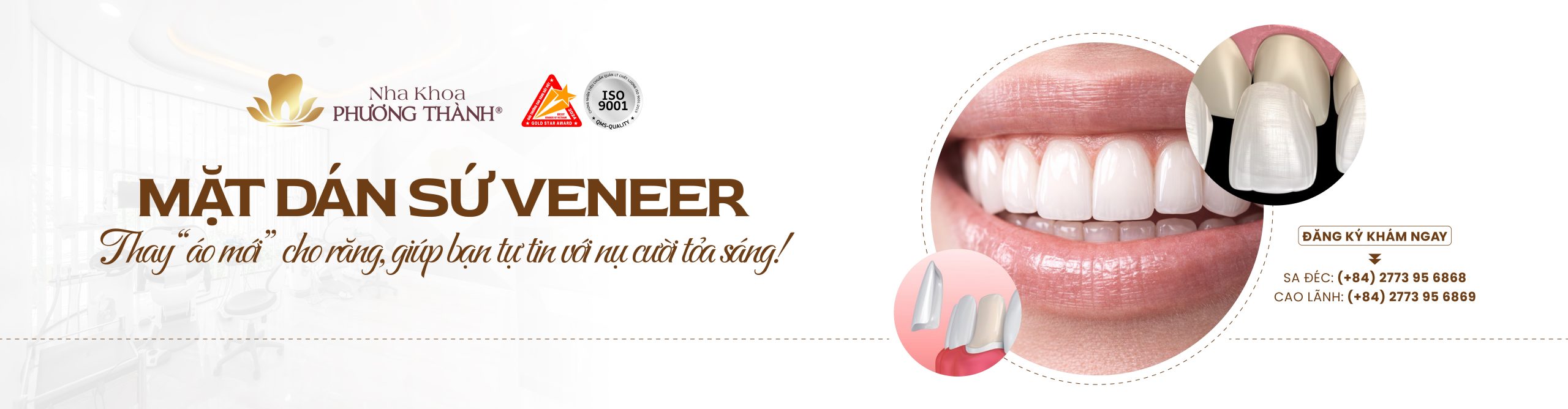



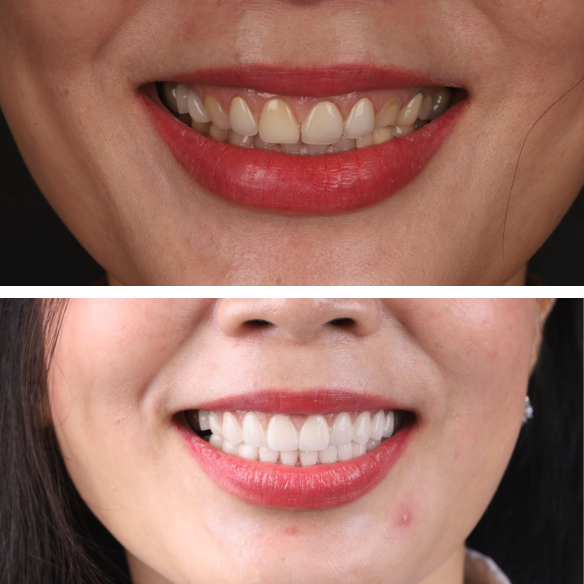
Veneers are an excellent cosmetic solution, but they are not suitable for everyone. Below are the cases in which you should consider getting dental veneers:
-
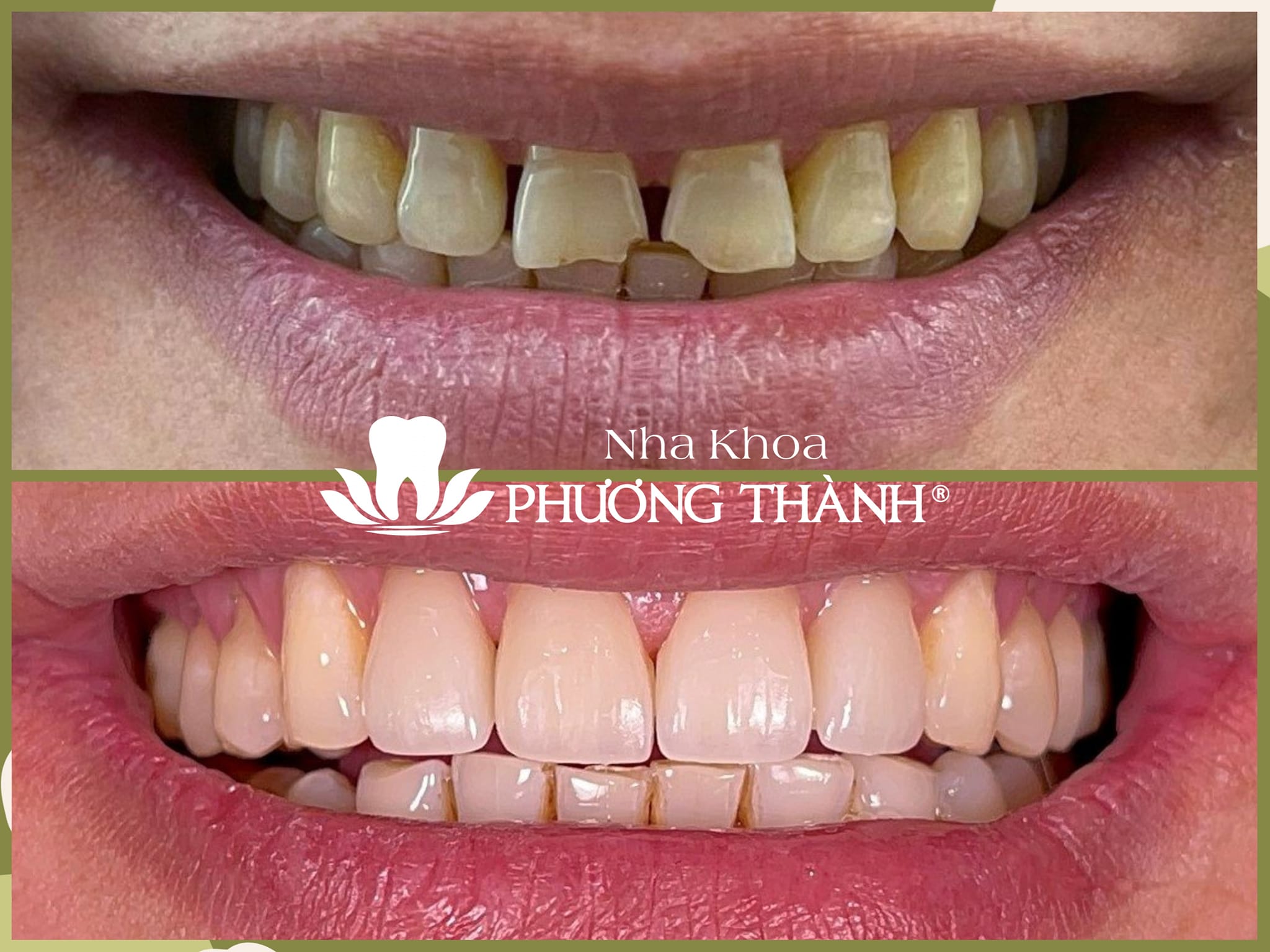
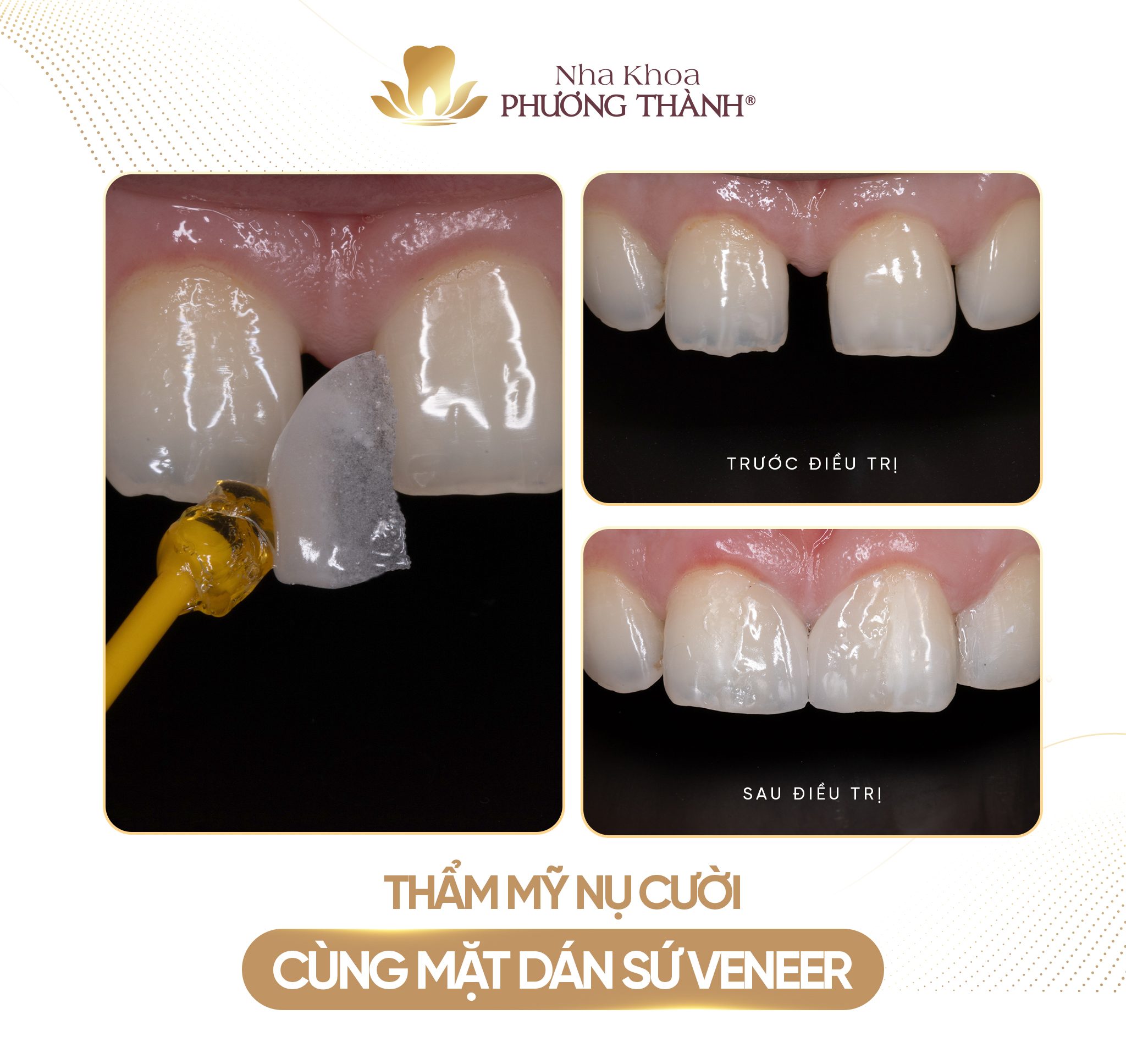
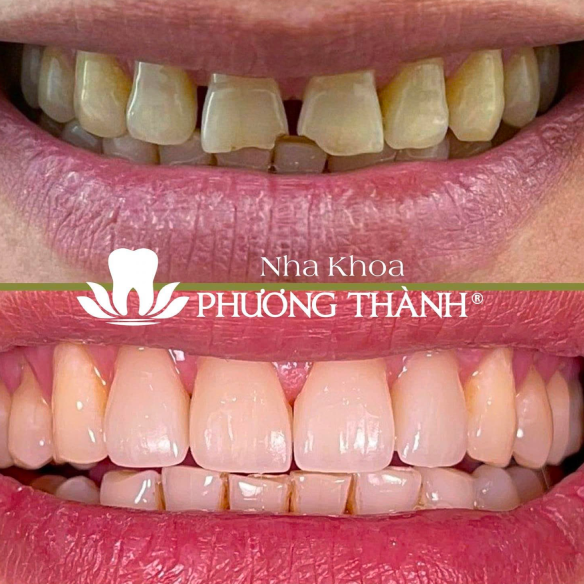
Discolored teeth: Veneers can effectively cover yellowing, staining, or discoloration caused by tetracycline antibiotics, especially when conventional teeth whitening methods are ineffective.
-
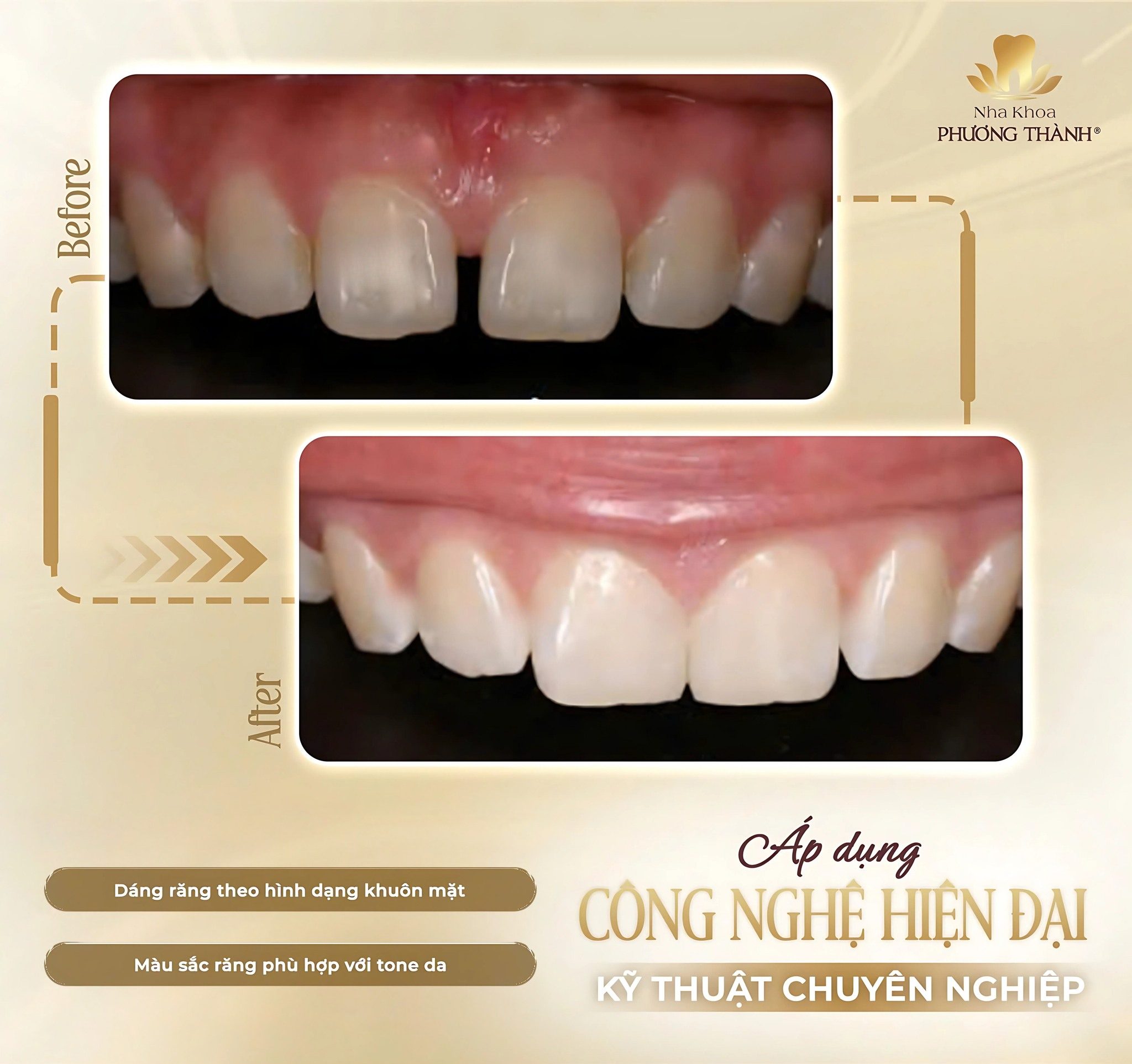
Chipped or cracked teeth: Veneers can restore the shape of mildly chipped or cracked teeth, making them look more complete and aesthetically pleasing.
-
Gaps between teeth: Veneers can close small gaps between teeth, creating a more even and harmonious smile.
-
Mildly misaligned teeth: In some cases, veneers can be used to correct minor misalignment as an alternative to orthodontic treatment. However, for severe misalignment, braces remain the best option.
-
Irregularly shaped teeth: Veneers can improve the appearance of short, small, or unevenly shaped teeth.
However, you should NOT get dental veneers in the following cases:
-
Poor oral hygiene: If proper oral hygiene is not maintained, bacteria can attack the margins between the veneer and natural tooth, leading to cavities and other dental issues.
-
Teeth grinding (bruxism): Excessive grinding force can cause veneers to chip or detach. If you grind your teeth, this condition should be treated first, or you may need to consider dental crowns instead.
-
Untreated tooth decay or periodontal disease: These conditions must be fully treated before veneers are placed.
-
Severely damaged teeth: In cases of extensive tooth damage, dental crowns are a more suitable option than veneers.