
Early childhood tooth decay is a condition in which the enamel and dentin of a child’s teeth are attacked by bacteria in the oral cavity, leading to the formation of cavities on the tooth surface. This is a common dental issue in young children that can cause pain, discomfort, and affect daily activities. If not detected and treated promptly, it may also impact the development of permanent teeth later on.
Causes of Tooth Decay in Children
Early childhood tooth decay can result from various factors, including:
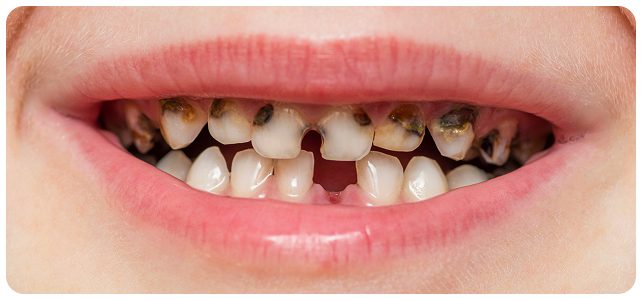
- Bacterial transmission from adults: During caregiving activities such as pre-chewing food, sharing utensils, or kissing, bacteria from an adult’s mouth can be transmitted to the child.
- Frequent consumption of sugary foods: Candies, soft drinks, sweetened milk, or starchy foods that ferment easily create a favorable environment for bacterial growth.
- Improper oral hygiene: Young children often lack the awareness and skills to brush properly or may not have their teeth cleaned regularly.
- Characteristics of primary enamel: Primary tooth enamel is thinner and weaker than permanent enamel, making it more susceptible to bacterial attack.
- Misaligned or crowded teeth: Increases the risk of plaque and food accumulation, making cleaning more difficult.
- Certain oral conditions: Conditions such as gingivitis or dry mouth may also increase the risk of tooth decay in children.

Effects of Untreated Early Childhood Tooth Decay
Early childhood tooth decay not only affects oral health but can also impact a child’s overall development:

- Pain and discomfort: Children may become irritable, have difficulty sleeping, or lose their appetite due to pain.
- Impaired chewing ability: Reduces eating efficiency and nutrient absorption.
- Premature loss of primary teeth: May lead to misalignment of permanent teeth later on.
- Speech difficulties: In some cases, tooth decay can affect a child’s pronunciation.
- Psychological impact: Children may lose confidence in communication if their teeth are significantly damaged.
- Risk of complications: If untreated, tooth decay may progress to pulpitis, abscess, or dental infections.

Treatment Methods for Early Childhood Tooth Decay
Depending on the severity, the dentist will recommend appropriate treatment options:
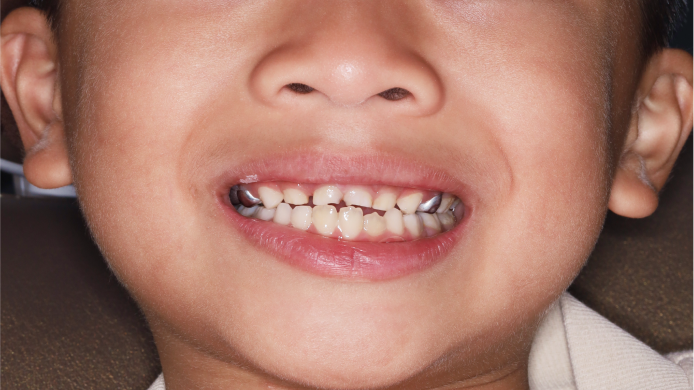
- Mild decay: May be monitored or treated with dental fillings to restore tooth structure and prevent further decay.
- Moderate to severe decay: The dentist may recommend pulp treatment for primary teeth to preserve them if possible.
- Severe cases: When the tooth is extensively damaged or cannot be preserved, extraction of the primary tooth may be considered to prevent impact on adjacent teeth.
- At-home support: Measures such as rinsing with warm salt water may help relieve discomfort temporarily, but they do not replace professional dental examination and treatment.

Effective Prevention of Early Childhood Tooth Decay
Preventing early childhood tooth decay should begin early and be maintained consistently:

- Guide children to brush their teeth at least twice a day with age-appropriate toothpaste.
- Limit the intake of sugary foods, carbonated drinks, and high-sugar beverages.
- Maintain a balanced diet and ensure adequate intake of calcium and essential vitamins.
- Avoid prolonged bottle-feeding, nighttime feeding, or frequent snacking.
- Encourage oral hygiene habits after meals, especially before bedtime.
- Take children for regular dental check-ups to detect oral issues early.

Dental Examination and Care for Children at Phuong Thanh Dental Clinic
At Phuong Thanh Dental Clinic, children receive comprehensive examinations, evaluation of primary teeth conditions, and age-appropriate oral care guidance. Regular check-ups help detect tooth decay and other dental issues early, allowing for timely and appropriate treatment.