

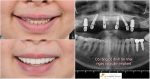
Dental Implants – Get Your Teeth Immediately, Without Disrupting Your Life
One of the biggest concerns for patients considering dental implants is not necessarily the implant placement itself, but: “After getting...
 Published: 07/12/2025
Dental Knowledge
Published: 07/12/2025
Dental Knowledge
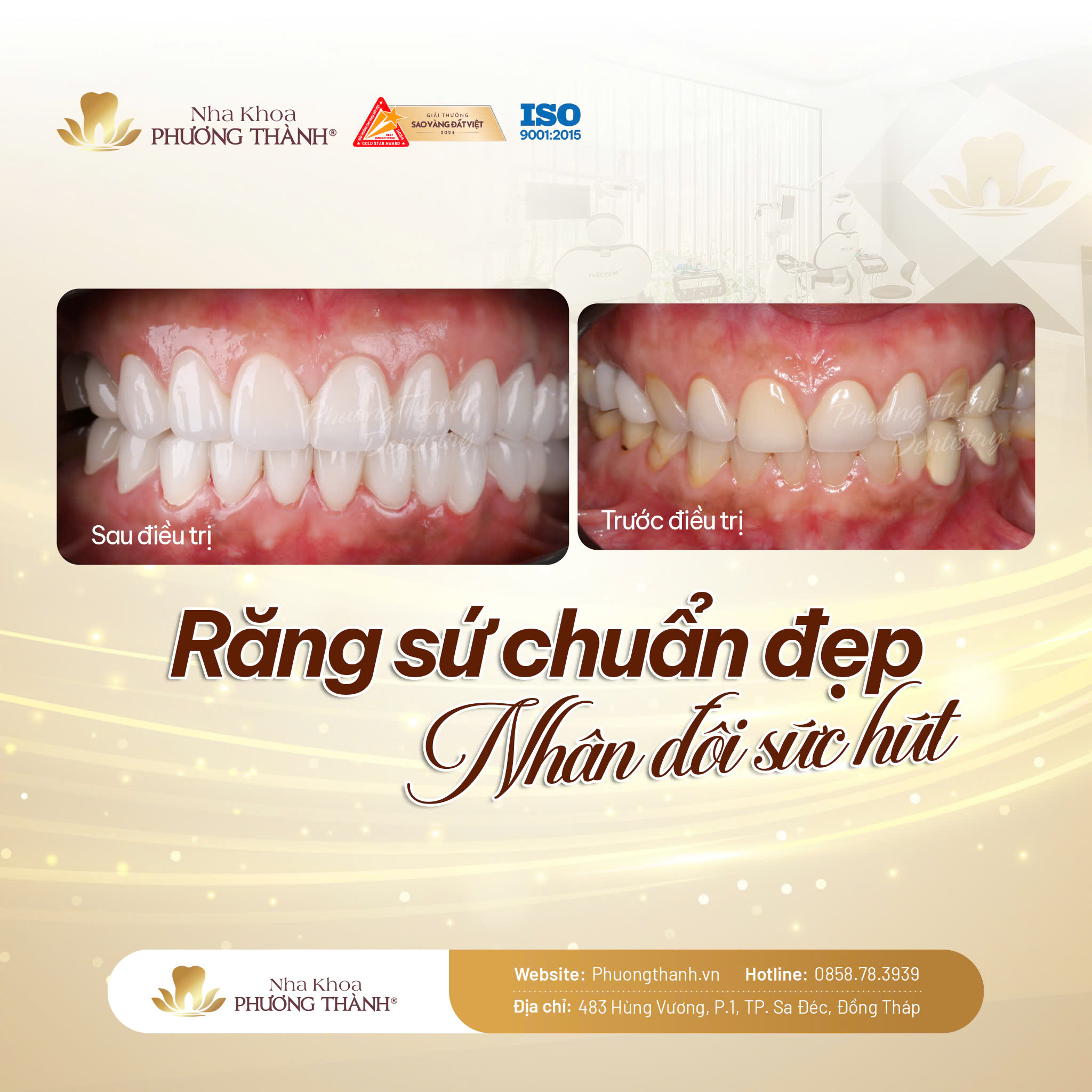
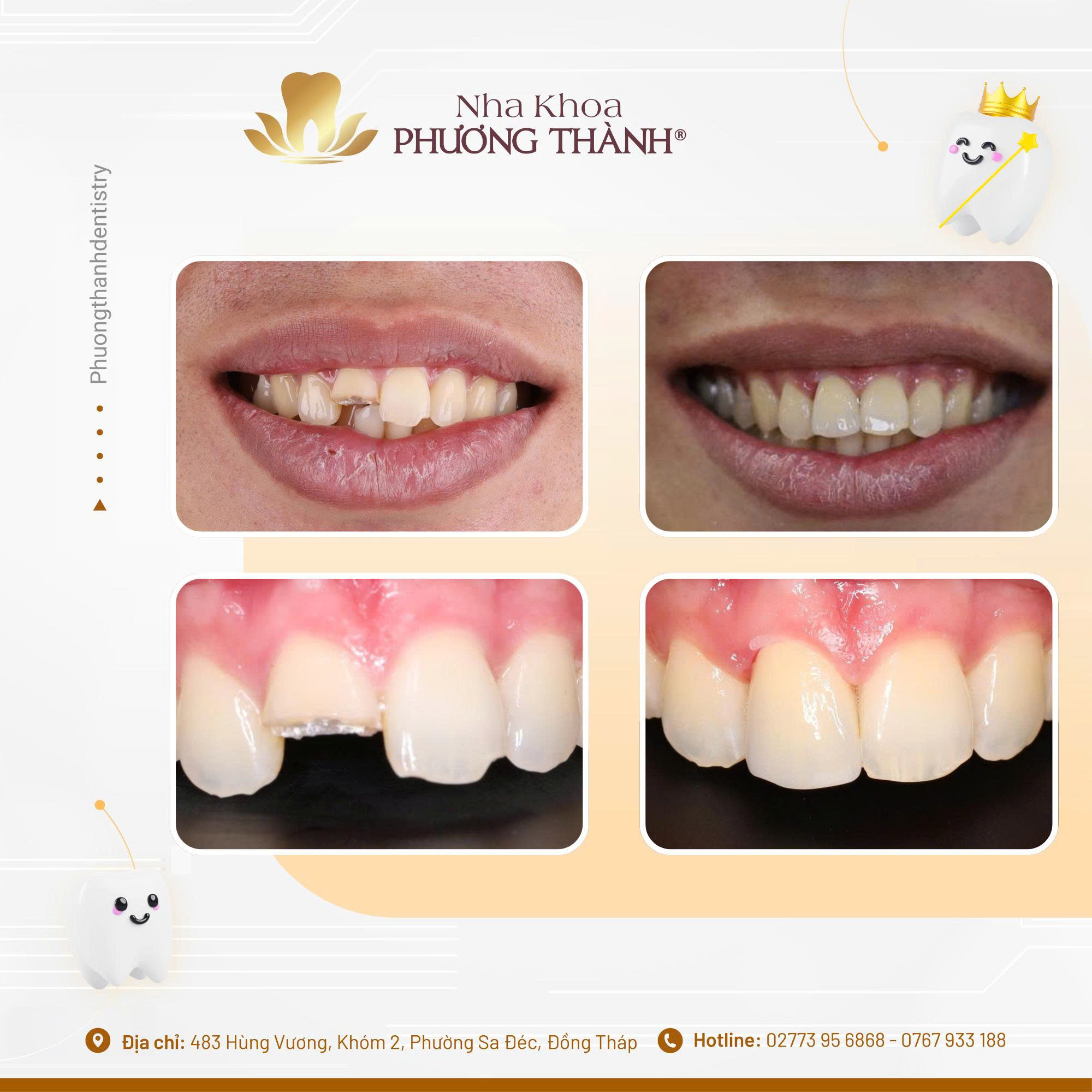
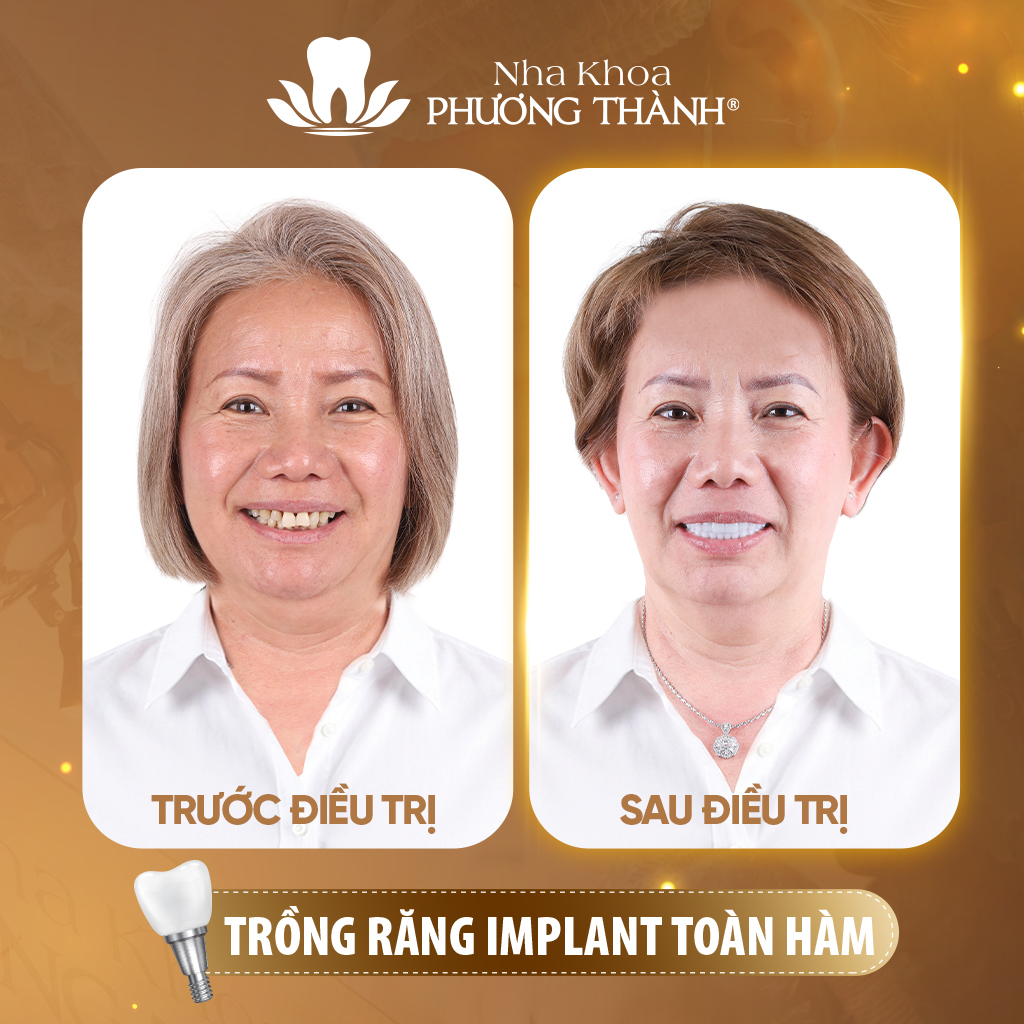
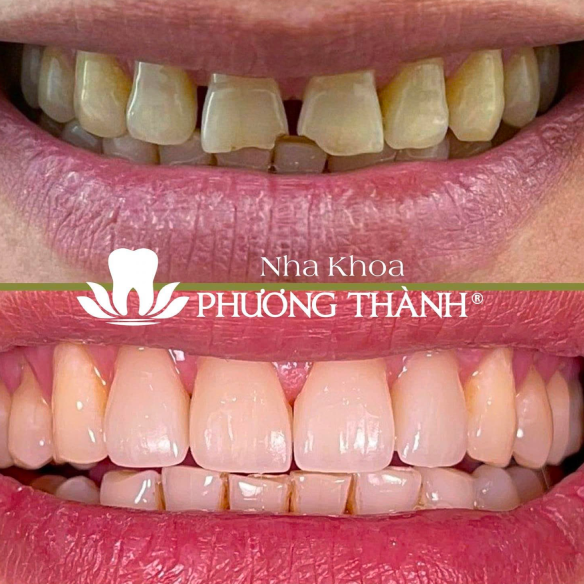
Dental restoration is a field within dentistry that focuses on restoring or replacing missing, damaged, or compromised teeth using appropriate dental techniques. The goal of dental restoration is not only to rebuild the shape of teeth but also to improve chewing function, ensure proper occlusion, and enhance aesthetics, helping patients maintain confidence in daily life.
In practice, missing or damaged teeth, if not treated promptly, can affect the overall structure of the jaw, leading to tooth shifting, jawbone resorption, and reduced chewing function.
Dental restoration is typically recommended in the following cases:
Depending on each individual’s oral condition and needs, the dentist will recommend the most suitable restoration method. In general, these methods are divided into two main groups:
These methods are permanently fixed in the mouth, providing stability and comfort during use:
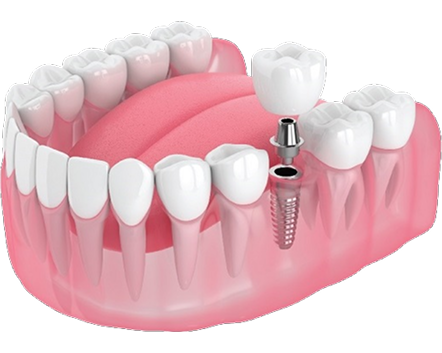 |
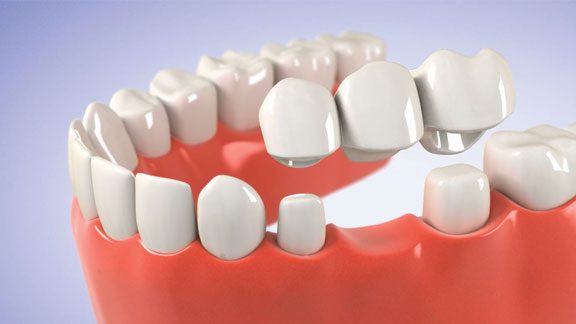 |
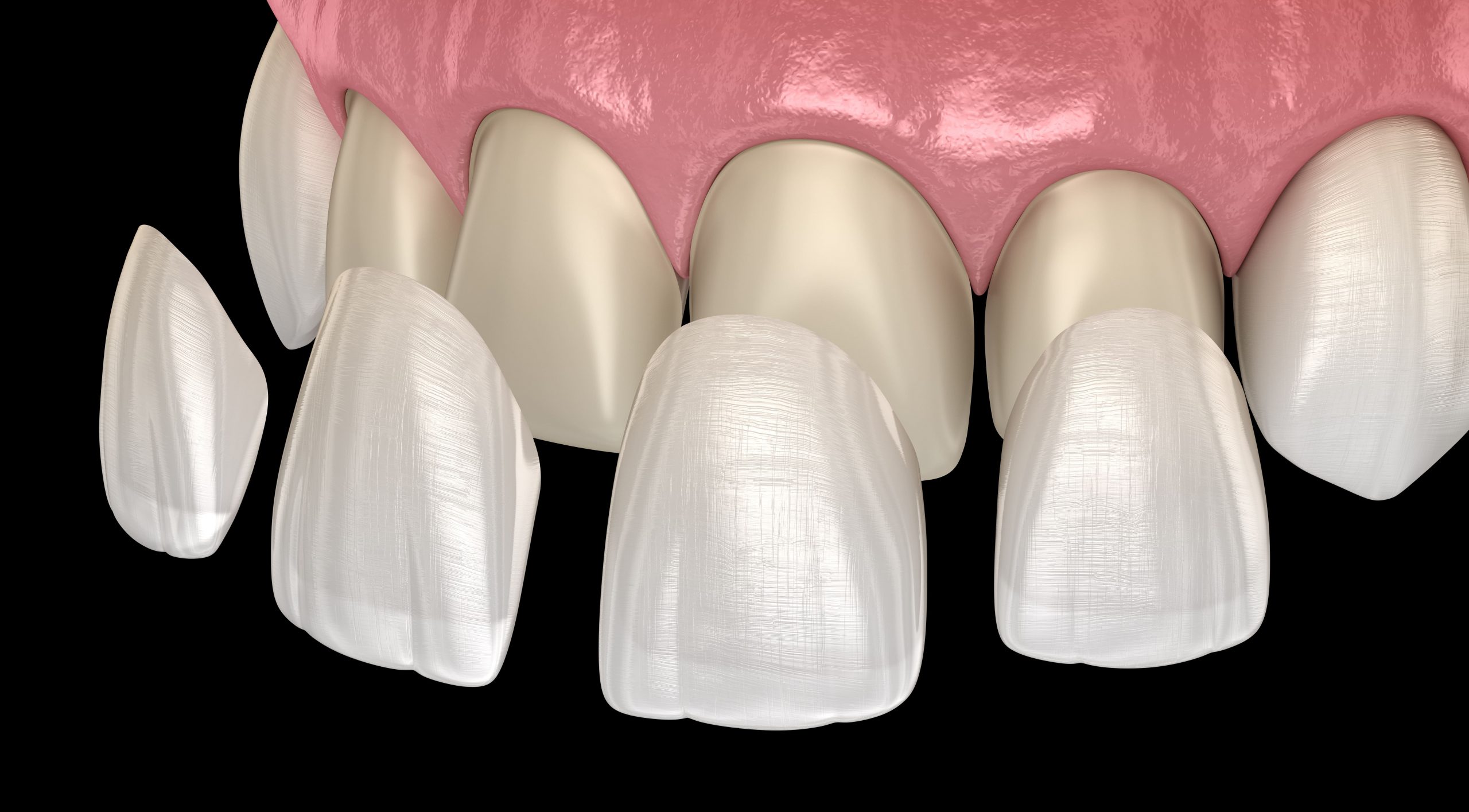 |
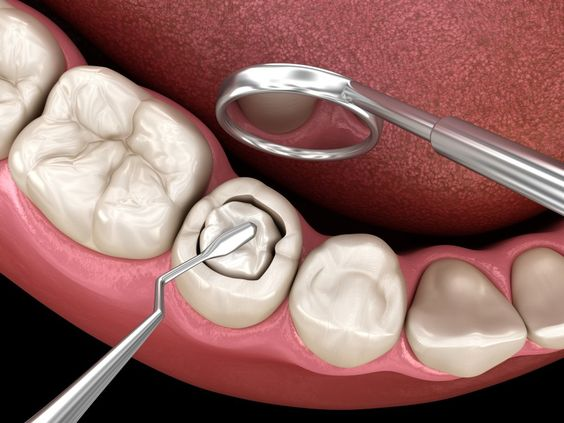 |
These methods can be easily removed and reinserted, suitable for many individuals, especially those with multiple missing teeth: Removable dentures include acrylic or metal framework dentures, commonly indicated for cases of multiple or full-arch tooth loss. This method is cost-effective and relatively quick to complete.
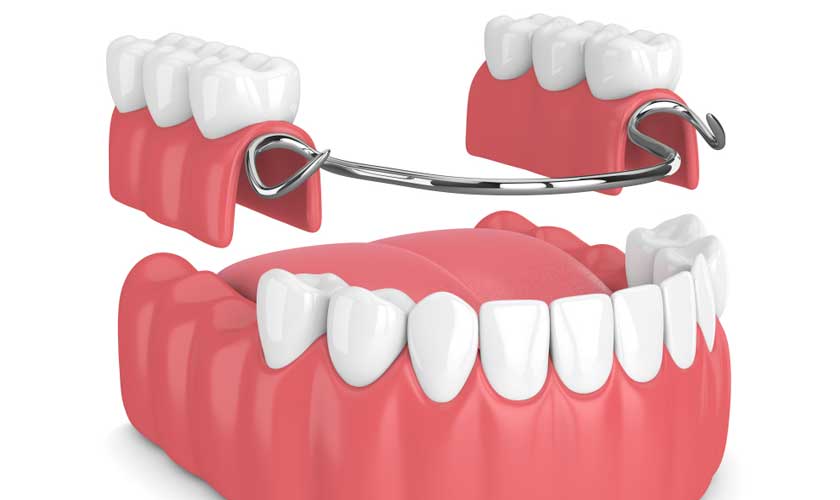
Timely dental restoration can provide several practical benefits:
Examination and consultation are essential steps before performing dental restoration, helping to accurately assess oral conditions and select the most appropriate treatment method. Proper evaluation from the beginning not only ensures effective restoration outcomes but also helps minimize potential complications during long-term use.
At Phuong Thanh Dental Clinic, patients are examined following a structured process with the support of experienced dentists:
Thorough examination and consultation allow for personalized treatment planning tailored to each case, ensuring a balance between chewing function, aesthetics, and long-term durability of the restoration.
 |
 |
 |
 |
One of the biggest concerns for patients considering dental implants is not necessarily the implant placement itself, but: “After getting...
Dental Floss – A Small Tool with a Big Role in Oral Care Dental floss is one of the oral...

Parents should not overlook common oral health problems in children such as tooth decay, gingivitis, pulpitis, and tongue-tie. Early detection...
What Are Exogenous Chromogenic Stains on Teeth? Images of Exogenous Chromogenic Stains on Teeth Exogenous chromogenic stains on teeth are...
WORKING HOURS