
Dental Implants – Get Your Teeth Immediately, Without Disrupting Your Life
One of the biggest concerns for patients considering dental implants is not necessarily the implant placement itself, but: “After getting...
 Published: 07/12/2025
Dental Knowledge
Published: 07/12/2025
Dental Knowledge
Brushing your teeth is a daily oral hygiene habit that helps remove plaque and reduce the risk of tooth decay and gum inflammation. However, many people believe that brushing harder leads to better cleaning results. In reality, numerous dental studies have shown that this belief is not accurate and may negatively affect oral health.
The effectiveness of tooth cleaning does not depend on how hard you brush, but rather on proper brushing technique, brushing duration, and the use of appropriate tools. When brushing too forcefully, the bristles may not effectively reach between teeth, while excessive pressure can damage the tooth surface and gums.
Therefore, increasing brushing force does not improve plaque removal and may instead pose risks to both teeth and gums.
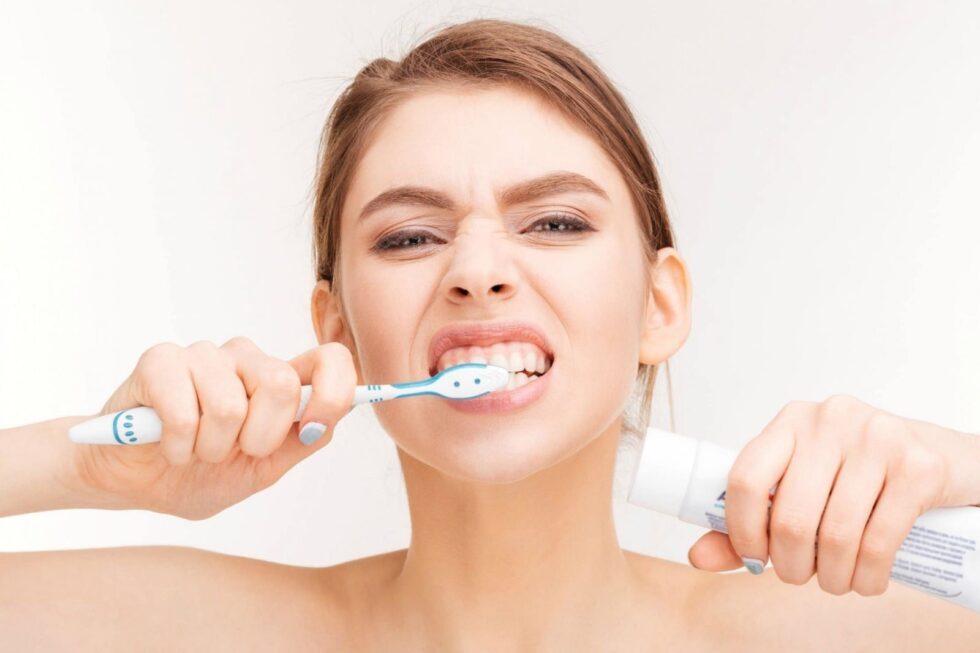
Habitually brushing too hard can lead to several oral health problems:
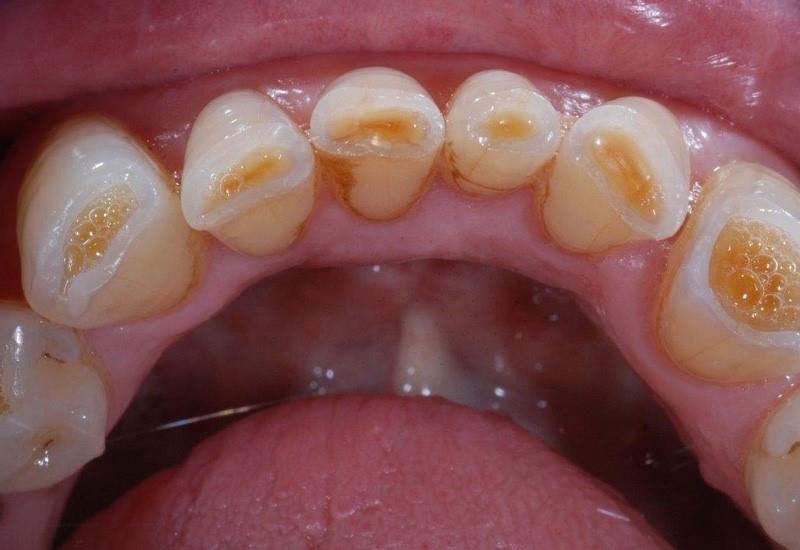
Enamel is the outermost layer that protects teeth from bacteria and environmental factors. When exposed to strong mechanical force over time, this layer can gradually wear down.
Consequences include:
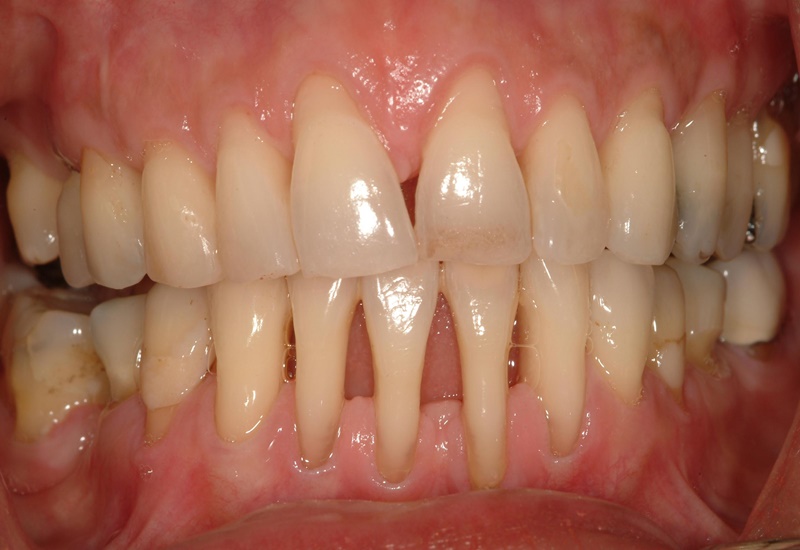
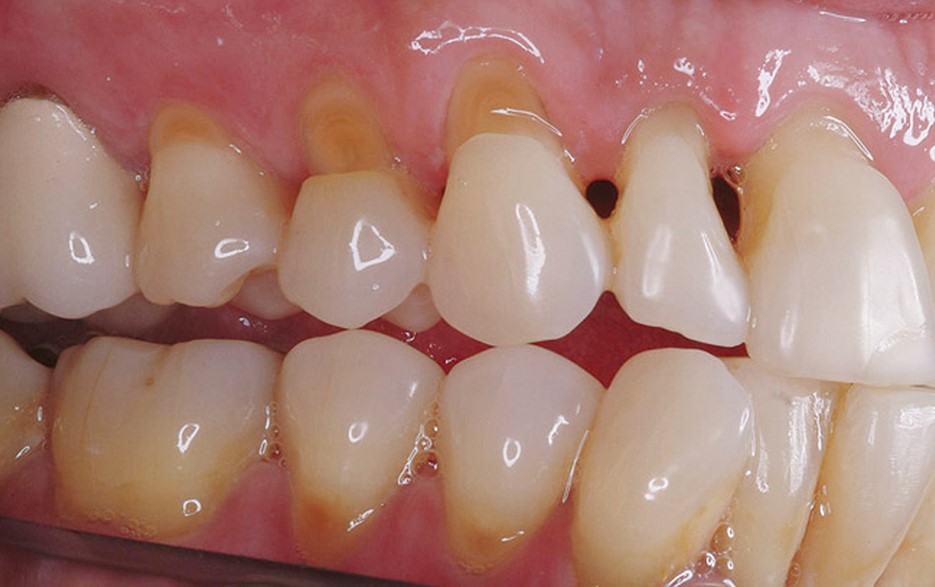
Brushing too hard can irritate and damage gum tissue. Over time, gums may recede, exposing the tooth roots—areas that are more sensitive and vulnerable.
Gum recession not only causes sensitivity but can also affect aesthetics and long-term oral health.
In some cases, excessive brushing force concentrated at the neck of the tooth (near the gum line) can cause cervical lesions. This is a form of non-carious tooth structure loss that often leads to sensitivity and discomfort while eating.
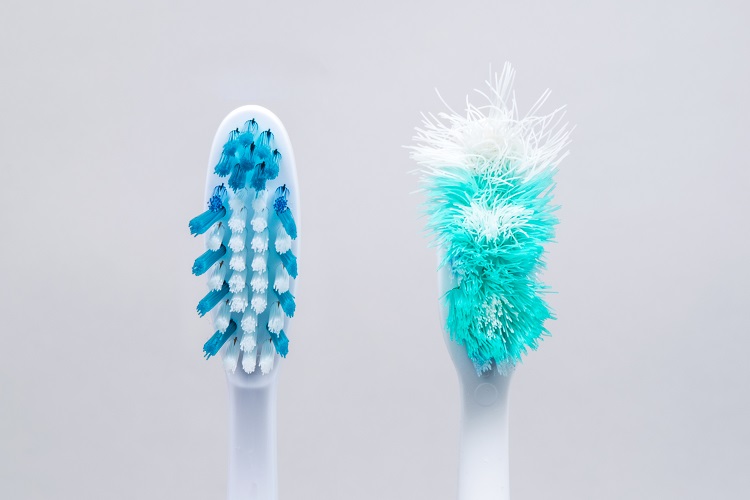
If toothbrush bristles become frayed or bent after a short period of use, it is a sign that excessive force is being applied. This not only reduces cleaning efficiency but also requires more frequent toothbrush replacement.
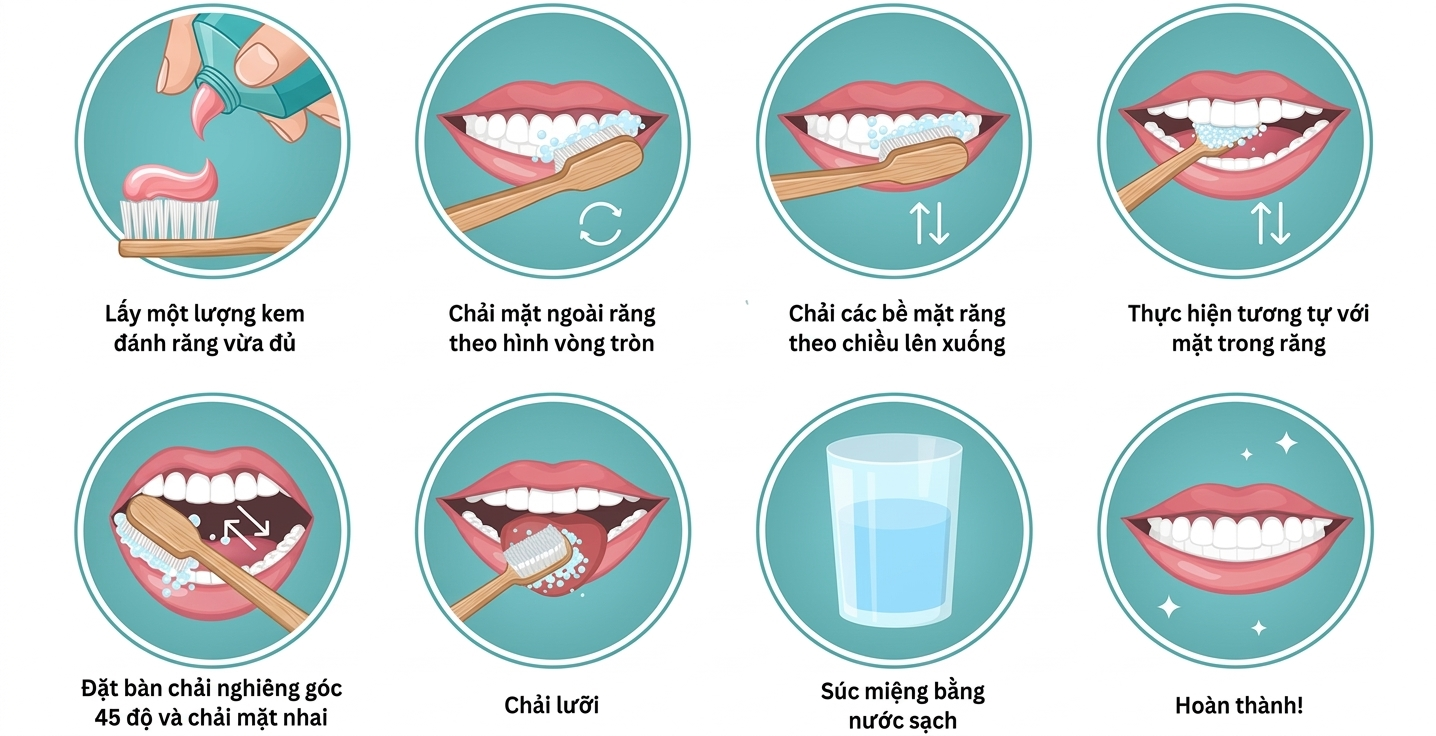
To clean teeth effectively and safely, applying the correct brushing technique is far more important than using strong force.
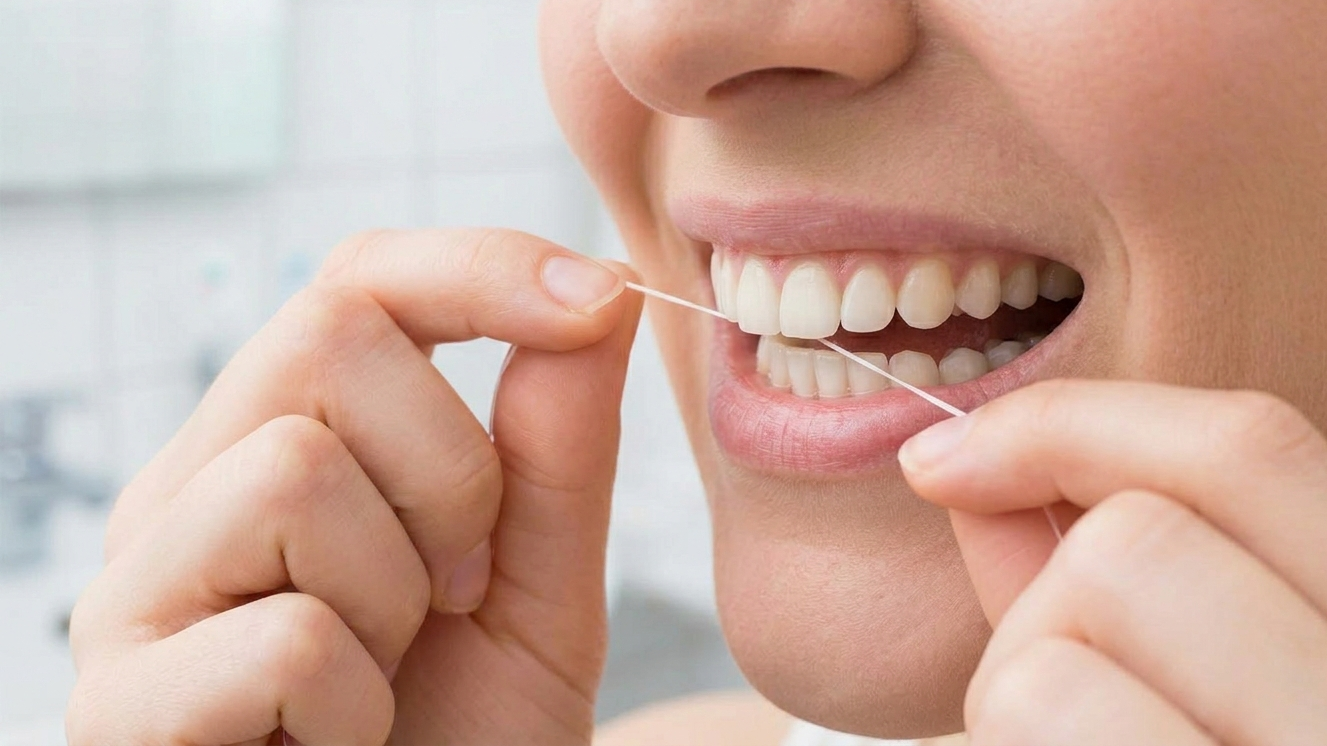
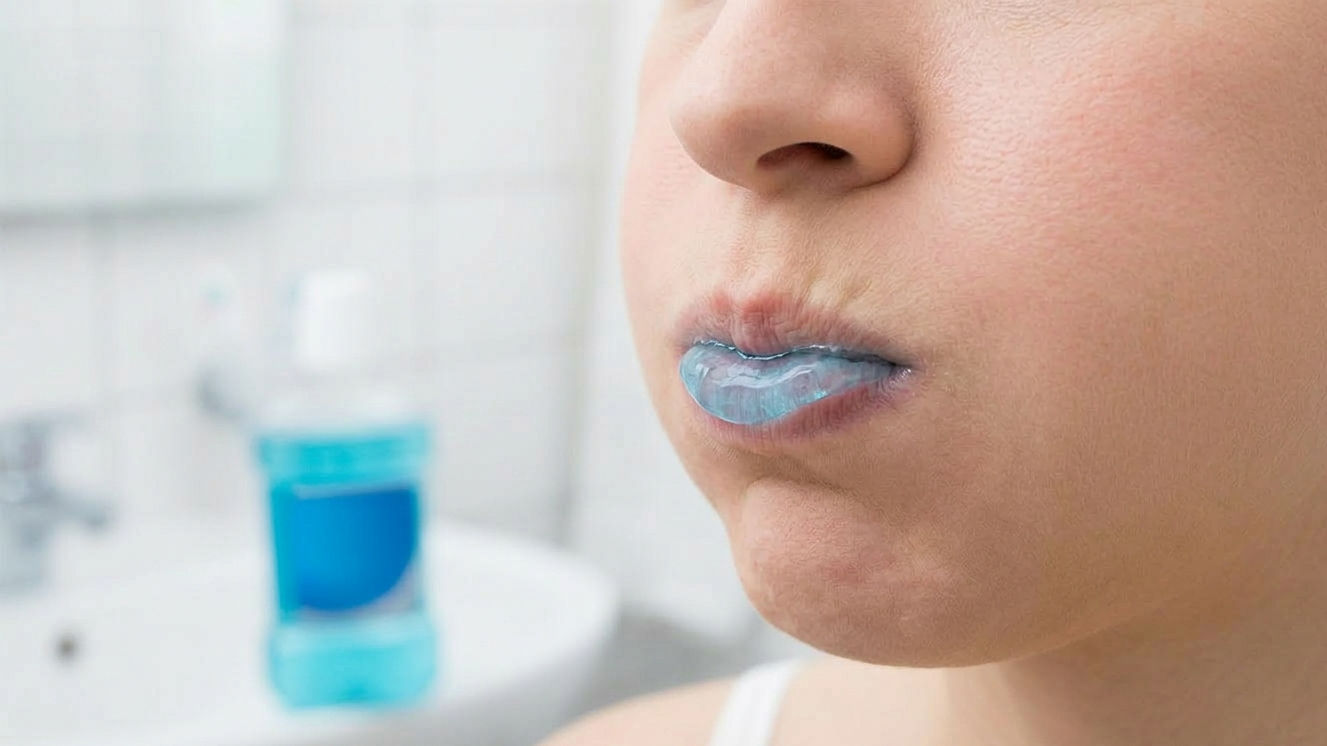
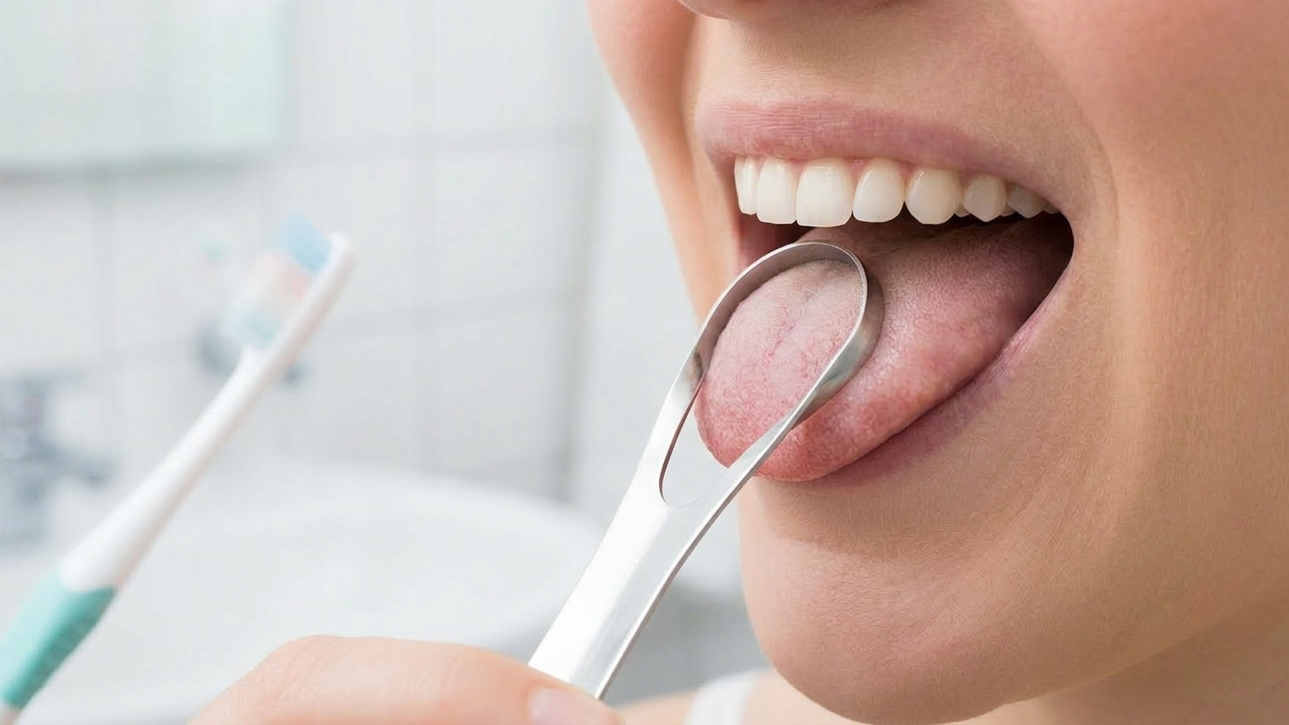
Some recommendations for proper brushing:
 |
 |
 |
 |
You may be brushing too forcefully if you notice the following signs:
 |
 |
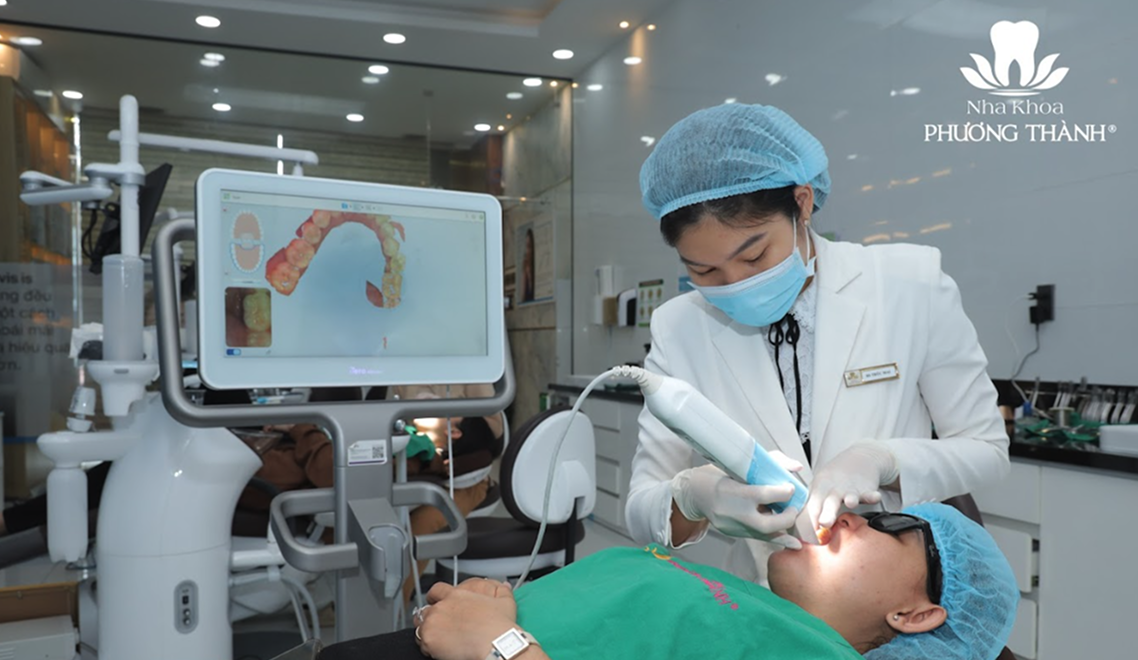
In addition to maintaining good oral hygiene habits at home, regular dental check-ups play an important role in early detection and prevention of oral health issues.
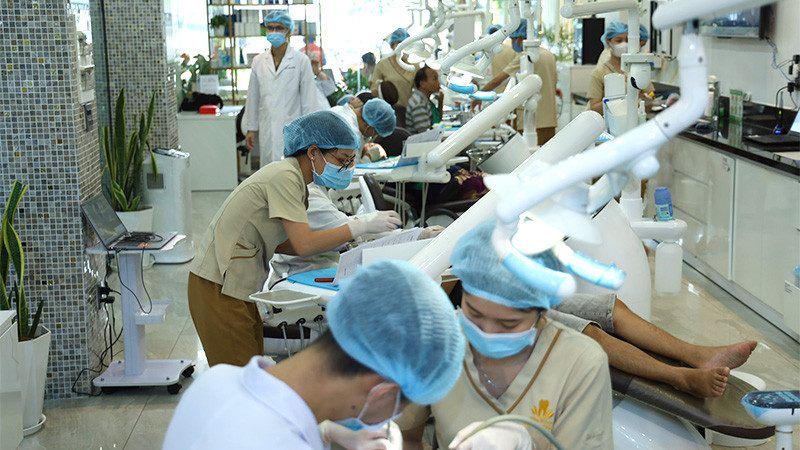
At Phuong Thanh Dental Clinic, patients receive care following a structured process:
Combining at-home care with regular dental visits helps maintain stable oral health and reduce the risk of complications.
One of the biggest concerns for patients considering dental implants is not necessarily the implant placement itself, but: “After getting...
Dental Floss – A Small Tool with a Big Role in Oral Care Dental floss is one of the oral...
Parents should not overlook common oral health problems in children such as tooth decay, gingivitis, pulpitis, and tongue-tie. Early detection...
What Are Exogenous Chromogenic Stains on Teeth? Images of Exogenous Chromogenic Stains on Teeth Exogenous chromogenic stains on teeth are...
WORKING HOURS