




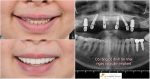
Dental Implants – Get Your Teeth Immediately, Without Disrupting Your Life
One of the biggest concerns for patients considering dental implants is not necessarily the implant placement itself, but: “After getting...
 Published: 31/10/2025
Dental Knowledge
Published: 31/10/2025
Dental Knowledge
Pain after wisdom tooth extraction, swelling, or discomfort during the first few days after wisdom tooth extraction is a common part of the body’s healing process. However, not all pain after tooth removal should be considered normal. In some cases, pain that lasts too long or becomes more severe may be a warning sign of complications that need early attention.
Understanding which symptoms are part of normal recovery and which may indicate a problem can help patients monitor their condition, care for the extraction site properly, and return to the dental clinic in time when needed.

After the tooth is removed, the surrounding gum tissue and bone need time to stabilize and heal. During this period, the following symptoms may commonly occur and are not always a cause for concern:
In general, these symptoms tend to improve gradually within about 3–5 days, depending on the complexity of the extraction, the patient’s healing response, and post-treatment care.
If the pain does not improve over time and instead becomes more intense, patients should not ignore it. The following signs may be associated with dry socket, infection, or other postoperative complications:
These are all signs that should be evaluated early so the dentist can determine the exact cause and provide appropriate management. If left untreated, the inflammation or infection may affect the soft tissue, jawbone, and the overall healing process of the area.
Wisdom teeth are often located deep in the dental arch, and in many cases they may be impacted, misaligned, or closely related to the surrounding bone and soft tissue. For this reason, monitoring symptoms carefully during the first few days after extraction is very important.
Not every case will develop complications, but if abnormalities do occur and are detected early, treatment is usually much simpler and more effective than if the condition is allowed to progress.
Proper care after tooth extraction plays an important role in reducing pain, limiting swelling, and helping the extraction site heal more smoothly. Patients should keep in mind the following:
Pain after wisdom tooth extraction may be a normal part of recovery, but it can also be an early sign of complications if it lasts too long or progresses abnormally. Monitoring symptoms carefully and returning to the dental clinic at the right time can help reduce the risk of infection, limit prolonged discomfort, and ensure a safer healing process.
If pain after wisdom tooth extraction lasts longer than expected or is accompanied by unusual symptoms, the patient should be examined early for timely evaluation and proper treatment.
One of the biggest concerns for patients considering dental implants is not necessarily the implant placement itself, but: “After getting...

Dental Floss – A Small Tool with a Big Role in Oral Care Dental floss is one of the oral...

Parents should not overlook common oral health problems in children such as tooth decay, gingivitis, pulpitis, and tongue-tie. Early detection...
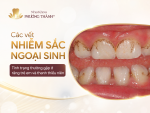
What Are Exogenous Chromogenic Stains on Teeth? Images of Exogenous Chromogenic Stains on Teeth Exogenous chromogenic stains on teeth are...
WORKING HOURS