

Dental Implants – Get Your Teeth Immediately, Without Disrupting Your Life
One of the biggest concerns for patients considering dental implants is not necessarily the implant placement itself, but: “After getting...
 Published: 20/09/2025
Dental Knowledge
Published: 20/09/2025
Dental Knowledge
Not every case of wisdom tooth eruption requires extraction. However, for certain groups of people, impacted, misaligned, or chronically infected wisdom teeth can significantly increase the risk of complications and negatively affect both oral health and overall health if not monitored and managed at the right time.
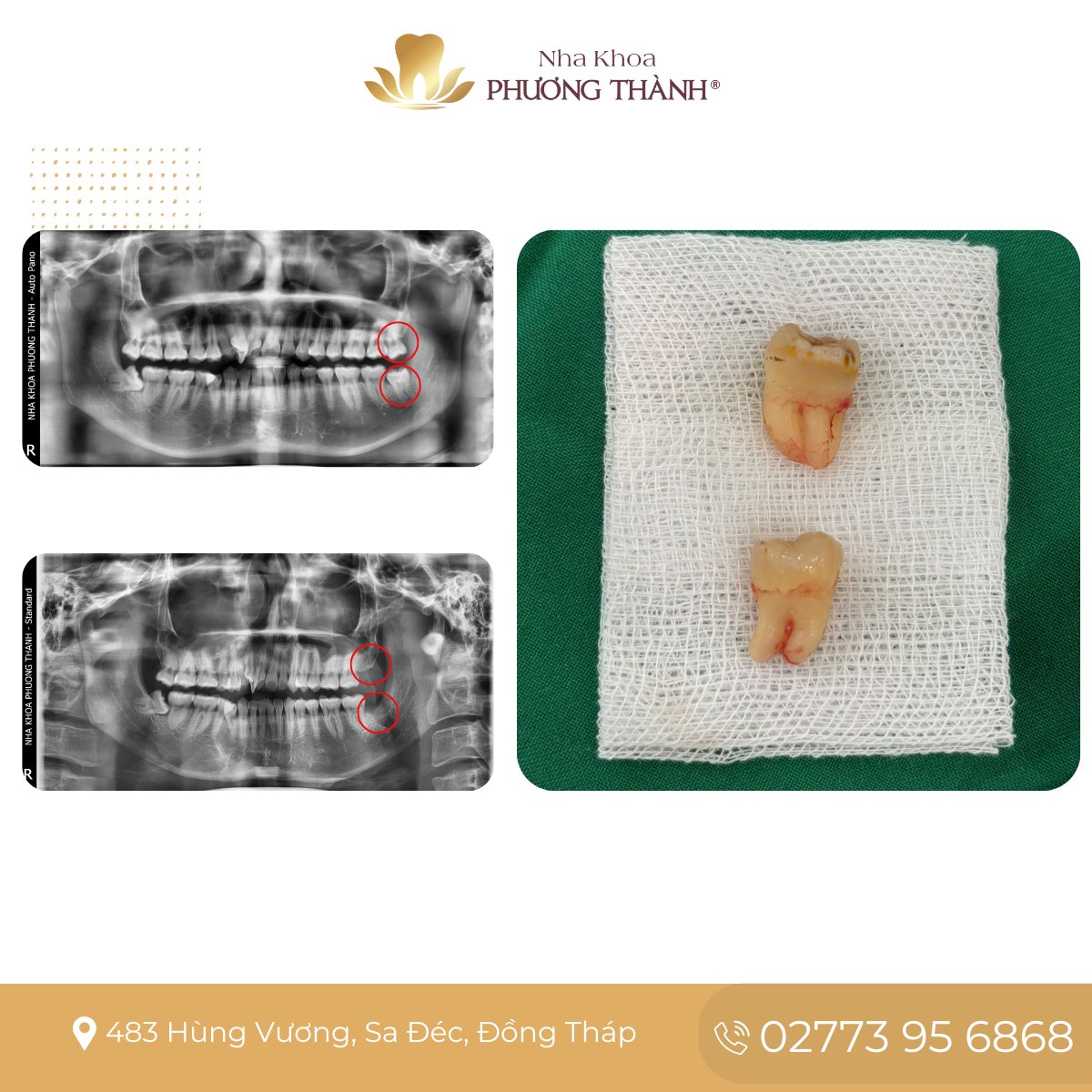
Below are the situations that require special attention when it comes to wisdom teeth:
During pregnancy, if a wisdom tooth erupts abnormally and causes gum flap inflammation, swelling, pain, or infection, it may significantly affect the mother’s health and daily comfort. Persistent pain, difficulty chewing, fever, or oral infection that is not well controlled can create considerable discomfort throughout pregnancy.
That is why screening wisdom teeth before pregnancy is an important step to proactively manage potential risks early.
If treatment becomes necessary during pregnancy, the second trimester is often considered the more suitable period for intervention, provided there is close evaluation and coordination between the obstetrician and the oral surgeon or dentist.
In people with underlying conditions such as diabetes, heart disease, or other health conditions requiring close monitoring, chronic wisdom tooth infection may increase the risk of spreading inflammation or interfere with healing after treatment.
When immune response or healing capacity is compromised, a long-standing infection around a wisdom tooth may make treatment more complex.
However, this does not mean people with medical conditions cannot have wisdom teeth removed. If the health condition is well controlled and a proper treatment plan is in place, wisdom tooth management can still be carried out safely under careful professional supervision.
For people who have completed orthodontic treatment, wisdom teeth are an area that should be monitored regularly because they are prone to erupting in the wrong direction, becoming impacted, or affecting the back teeth in the dental arch.
In some cases, improperly positioned wisdom teeth may place pressure on adjacent teeth, create hard-to-clean areas around the back molars, and increase the risk of gum inflammation or decay in the second molars. This is also one of the reasons many patients worry about the long-term stability of their orthodontic results.
For that reason, after braces are removed or orthodontic treatment is completed, patients should have periodic X-rays to evaluate their wisdom teeth and continue monitoring with their dentist for timely management if needed.
Wisdom teeth, especially those that are misaligned, impacted, or only partially erupted, are often located in areas that are very difficult to clean. This creates favorable conditions for plaque and food debris to accumulate over time.
If oral hygiene is not adequate, this area can become the starting point of several issues such as:
In many cases, wisdom teeth do not only cause problems for themselves, but may also directly affect the second molars — teeth that play a very important role in chewing.
Even if there is no pain yet, patients should still have a dental check-up if they notice any of the following signs:
Wisdom teeth are not always dangerous, and not everyone who has wisdom teeth needs them removed. However, in higher-risk cases or when unusual symptoms have already appeared, early examination and X-ray evaluation are very important.
Early detection and timely treatment not only help reduce pain and infection, but also protect neighboring teeth and lower the risk of long-term complications.
One of the biggest concerns for patients considering dental implants is not necessarily the implant placement itself, but: “After getting...
Dental Floss – A Small Tool with a Big Role in Oral Care Dental floss is one of the oral...
Parents should not overlook common oral health problems in children such as tooth decay, gingivitis, pulpitis, and tongue-tie. Early detection...
What Are Exogenous Chromogenic Stains on Teeth? Images of Exogenous Chromogenic Stains on Teeth Exogenous chromogenic stains on teeth are...
WORKING HOURS