

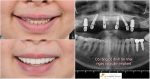
Dental Implants – Get Your Teeth Immediately, Without Disrupting Your Life
One of the biggest concerns for patients considering dental implants is not necessarily the implant placement itself, but: “After getting...
 Published: 13/09/2025
Dental Knowledge
Published: 13/09/2025
Dental Knowledge
Impacted or embedded teeth are teeth that cannot erupt into their proper position on the dental arch, and instead remain tilted, trapped beneath the gum, or buried within the jawbone. This condition can occur in various locations, but it is most commonly seen in wisdom teeth, canines, and in some cases the upper front teeth.
What is important to note is that impacted teeth do not always cause obvious pain from the beginning. In many cases, the tooth may remain “quiet” inside the jawbone for a long time, while silently affecting the bone, adjacent teeth, or the bite structure if not detected early.
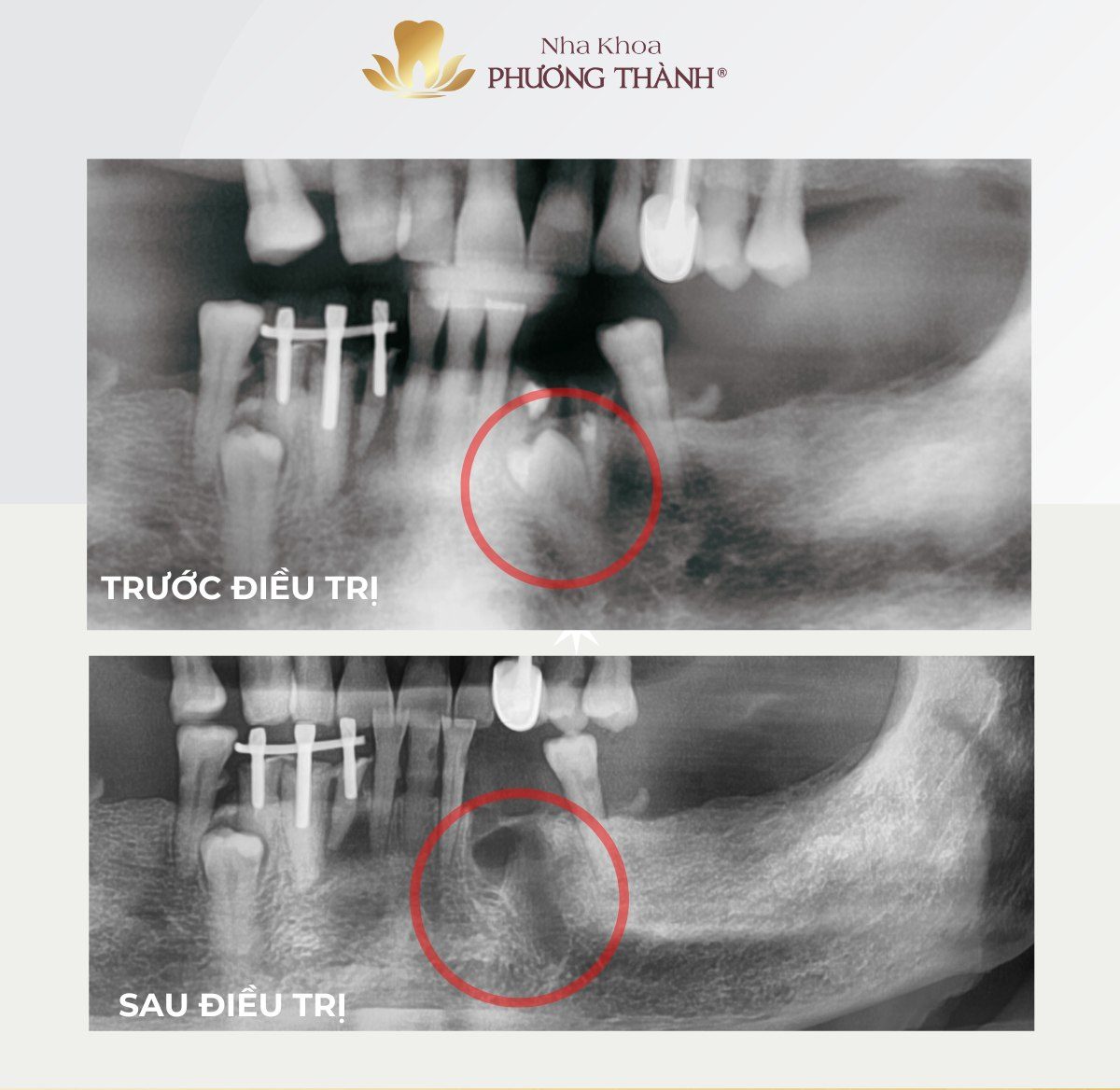
When a tooth grows in an abnormal direction or remains trapped in the bone, the crown may press against the root of a neighboring tooth. Over time, this can lead to root resorption, alveolar bone loss, or damage to the supporting tissues around adjacent teeth.
Some cases may present with dull pain, mild pressure, or discomfort in the jaw area, while others may progress silently and only be discovered through dental imaging.
Some impacted teeth may be associated with a cyst around the crown. Over time, this cyst may gradually enlarge and affect the surrounding jawbone structure.
If not monitored and managed at the right time, this condition may increase the risk of infection, bone loss, or more extensive damage within the jawbone, making future treatment more complex.
In some cases, especially when the impacted tooth is angled forward, it may cause crowding, shifting of the front teeth, or loss of stability in the dental arch.
This not only affects esthetics, but may also alter the bite relationship, create difficulty while chewing, or interfere with orthodontic outcomes if not addressed early.
Impacted teeth are often difficult to detect through normal observation, especially if they have not caused obvious pain yet. That is why regular dental check-ups and X-rays play an important role in early detection.
You should consider getting checked if you notice any of the following signs:
When impacted teeth are detected early, they are usually easier to monitor and manage, while also helping reduce the risk of damage to adjacent teeth, the jawbone, and the bite.
Not every impacted tooth needs immediate treatment, but proper timing and appropriate follow-up are essential to avoid silent yet long-term complications later on.
Dental X-rays and regular check-ups are effective ways to detect impacted teeth early, allowing the dentist to recommend the most suitable treatment approach while preserving long-term oral health as much as possible.
One of the biggest concerns for patients considering dental implants is not necessarily the implant placement itself, but: “After getting...
Dental Floss – A Small Tool with a Big Role in Oral Care Dental floss is one of the oral...
Parents should not overlook common oral health problems in children such as tooth decay, gingivitis, pulpitis, and tongue-tie. Early detection...
What Are Exogenous Chromogenic Stains on Teeth? Images of Exogenous Chromogenic Stains on Teeth Exogenous chromogenic stains on teeth are...
WORKING HOURS