



Dental Implants – Get Your Teeth Immediately, Without Disrupting Your Life
One of the biggest concerns for patients considering dental implants is not necessarily the implant placement itself, but: “After getting...
 Published: 28/08/2025
Dental Knowledge
Published: 28/08/2025
Dental Knowledge
Gingivitis is one of the first conditions that typically appears when tartar accumulates around the tooth neck and below the gumline. At this stage, gum tissue becomes irritated and inflamed due to the prolonged presence of bacteria.
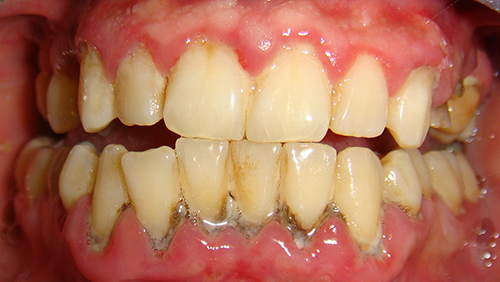
Early-stage gingivitis can usually improve if tartar is removed timely and proper oral hygiene is maintained. However, if left untreated, the inflammation may progress deeper into the supporting tissues around the teeth.
When inflammation is no longer limited to the gums and has spread to the periodontal ligaments and alveolar bone, the condition can progress to periodontitis. This is a more serious stage that can have long-term effects on the support of teeth.
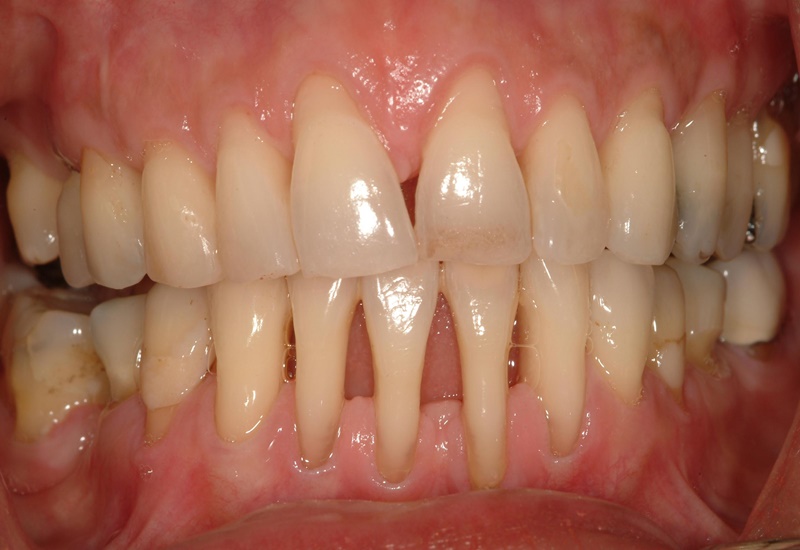
It is noteworthy that periodontitis can progress silently over a long period, sometimes without significant pain, making it easy to overlook.
When bacteria accumulate over time in the gums or periodontal pockets, inflammation can develop into a localized infection or abscess. This stage requires prompt attention as it not only causes significant pain but can also affect surrounding tissues and jawbone if left untreated.
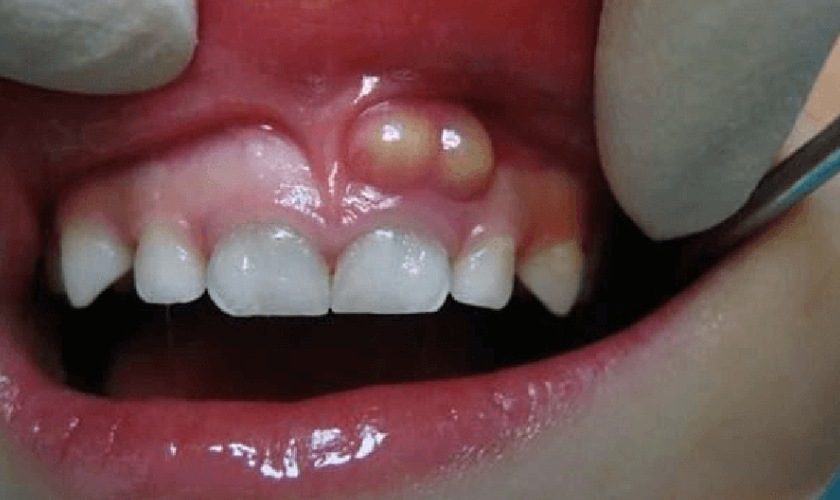
Once infection signs appear, the patient should be examined so the dentist can identify the cause and provide appropriate treatment, which may include cleaning the inflamed area, draining if necessary, and supportive treatment as prescribed.
Long-term tartar buildup can contribute to gum recession and exposed tooth roots, leading to tooth sensitivity while eating or drinking. This is a common issue often underestimated in its early stages.
Prolonged sensitivity not only causes inconvenience in daily life but also affects eating experiences and overall quality of life if not properly managed.
Not only affecting natural teeth, tartar and plaque can negatively impact previous dental treatments.
For individuals with:
…poor hygiene and tartar buildup can increase the risk of peri-implantitis, inflammation around restorations, or affect the durability and lifespan of dental restorations.
This means that a seemingly simple issue like tartar can impact previous dental treatments if not monitored regularly.
One of the biggest concerns for patients considering dental implants is not necessarily the implant placement itself, but: “After getting...
Dental Floss – A Small Tool with a Big Role in Oral Care Dental floss is one of the oral...

Parents should not overlook common oral health problems in children such as tooth decay, gingivitis, pulpitis, and tongue-tie. Early detection...
What Are Exogenous Chromogenic Stains on Teeth? Images of Exogenous Chromogenic Stains on Teeth Exogenous chromogenic stains on teeth are...
WORKING HOURS