
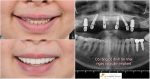
Dental Implants – Get Your Teeth Immediately, Without Disrupting Your Life
One of the biggest concerns for patients considering dental implants is not necessarily the implant placement itself, but: “After getting...
 Published: 05/04/2025
Dental Knowledge
Published: 05/04/2025
Dental Knowledge
Orthodontic treatment not only helps improve the aesthetics of the smile, but also supports the correction of malocclusion, crowding, protrusion, underbite, or misaligned teeth. However, for orthodontic treatment to achieve more favorable results, the timing of intervention is a very important factor.
In reality, each age group has its own characteristics in terms of the development of teeth, jawbones, and occlusion. Having an orthodontic evaluation at the right time helps the dentist create an appropriate treatment plan, thereby supporting optimal results in both chewing function and facial aesthetics.
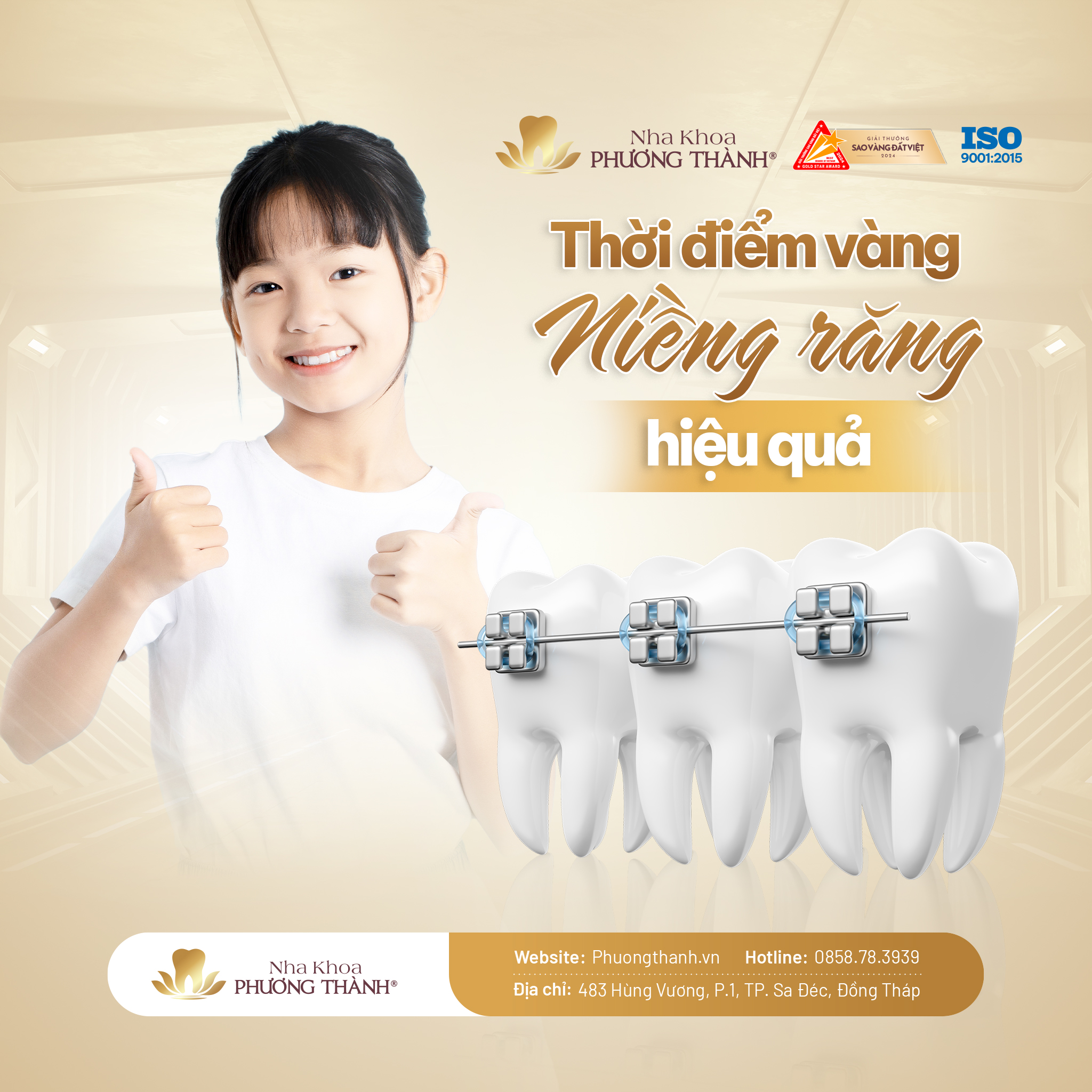
This is the stage when children are transitioning from primary teeth to permanent teeth, while the jawbones are still developing. If signs such as crooked eruption, crossbite, deep bite, open bite, crowding, or midline deviation are present, the dentist may consider early intervention through interceptive orthodontic measures.
Monitoring and intervention during this stage may help:
Interceptive orthodontics does not always mean starting comprehensive braces at a very young age. Rather, it mainly involves intervening at the right time to support harmonious development of the dental arches and occlusion.
This is often considered the golden age for braces. At this stage, most permanent teeth have already erupted relatively completely, while the jawbones still retain good growth and adaptive potential. As a result, teeth often move more favorably, helping treatment achieve better results compared with many other age groups.
Orthodontic treatment during this period may offer several advantages such as:
In addition to clinical factors, this is also the stage when many young people begin to pay more attention to their appearance and smile. Starting orthodontic treatment at the right time may help improve self-confidence while also supporting long-term oral health.
Many people believe that once adulthood is reached, braces are no longer possible. However, this is not entirely true. In reality, adults can still undergo orthodontic treatment if the teeth and periodontal tissues are healthy enough for treatment.
At this age, because the jawbones have already matured, tooth movement may occur more slowly than in children or adolescents. At the same time, the dentist also needs to carefully assess factors such as:
Although treatment may take longer, with an appropriate orthodontic treatment plan, braces in adults can still provide favorable results in terms of aesthetics, occlusion, and chewing function.
Orthodontic intervention at the right time not only helps align the teeth, but also supports the harmonious development of the entire dental–jaw–occlusal system. In many cases, starting treatment early can make the orthodontic process more favorable and less complex.
Beyond aesthetics, properly aligned teeth and a balanced bite also help improve chewing, make oral hygiene easier, and reduce the risk of tooth decay, gingivitis, or abnormal tooth wear in the future.
Dentists often recommend that children have an orthodontic check-up at around age 7. This is an appropriate time to detect early abnormalities related to tooth eruption, jaw relationship, and occlusion.
An early examination does not necessarily mean that the child will need braces immediately. More importantly, it helps the dentist monitor development and choose the right time for intervention if needed.
At Phuong Thanh Dental Clinic, every orthodontic case is carefully evaluated based on age, dental–jaw–occlusal condition, and actual treatment needs. Proper timing assessment helps build a suitable orthodontic treatment plan and supports more stable, long-term outcomes.
One of the biggest concerns for patients considering dental implants is not necessarily the implant placement itself, but: “After getting...
Dental Floss – A Small Tool with a Big Role in Oral Care Dental floss is one of the oral...

Parents should not overlook common oral health problems in children such as tooth decay, gingivitis, pulpitis, and tongue-tie. Early detection...
What Are Exogenous Chromogenic Stains on Teeth? Images of Exogenous Chromogenic Stains on Teeth Exogenous chromogenic stains on teeth are...
WORKING HOURS