



Dental Implants – Get Your Teeth Immediately, Without Disrupting Your Life
One of the biggest concerns for patients considering dental implants is not necessarily the implant placement itself, but: “After getting...
 Published: 11/03/2025
Dental Knowledge
Published: 11/03/2025
Dental Knowledge
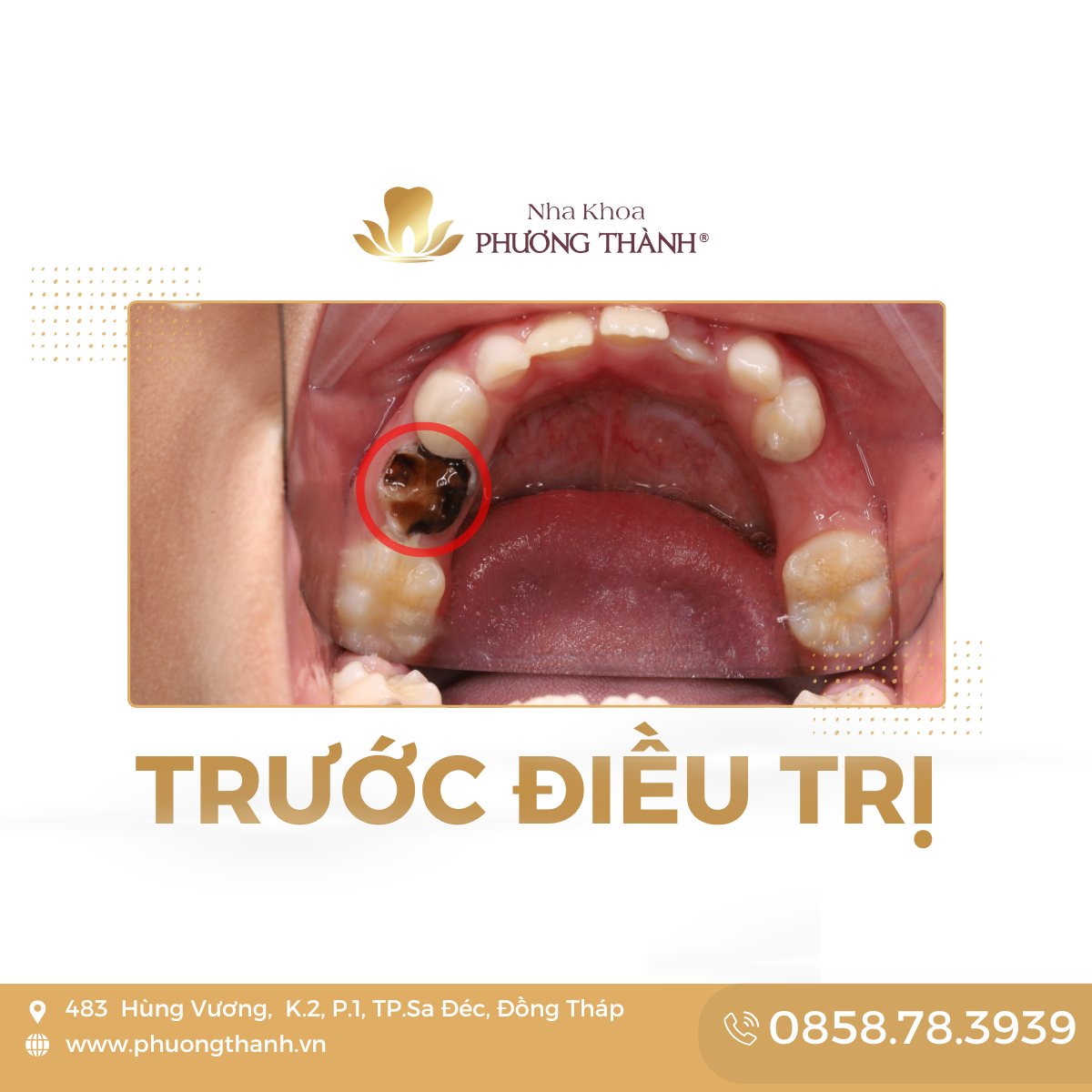
In young children, especially during the stage when primary teeth still play an important role in chewing and maintaining space, large cavitated tooth decay is a fairly common issue. When a tooth has lost a significant amount of structure due to decay, restoring it with a conventional filling may no longer provide reliable long-term durability.
Many parents notice that their child has already had multiple fillings, but the filling still tends to loosen or fall out after a short time. This is often a sign that the tooth structure has been significantly compromised and may require a more suitable protective solution.
Not every case of tooth decay in children can be maintained well with a regular filling. When a tooth has lost a large amount of hard tissue, its ability to retain filling material may decrease significantly.
When a filling repeatedly falls out, the tooth not only loses its protective function but may also face a higher risk of:
Many people assume that primary teeth are not very important because they will eventually be replaced. However, in reality, primary teeth play a very important role in a child’s oral development.
If primary teeth are lost too early, children may experience several issues such as:
Therefore, in cases where the primary tooth can still be preserved, dentists often prioritize methods that help maintain the tooth until the proper natural time of exfoliation.
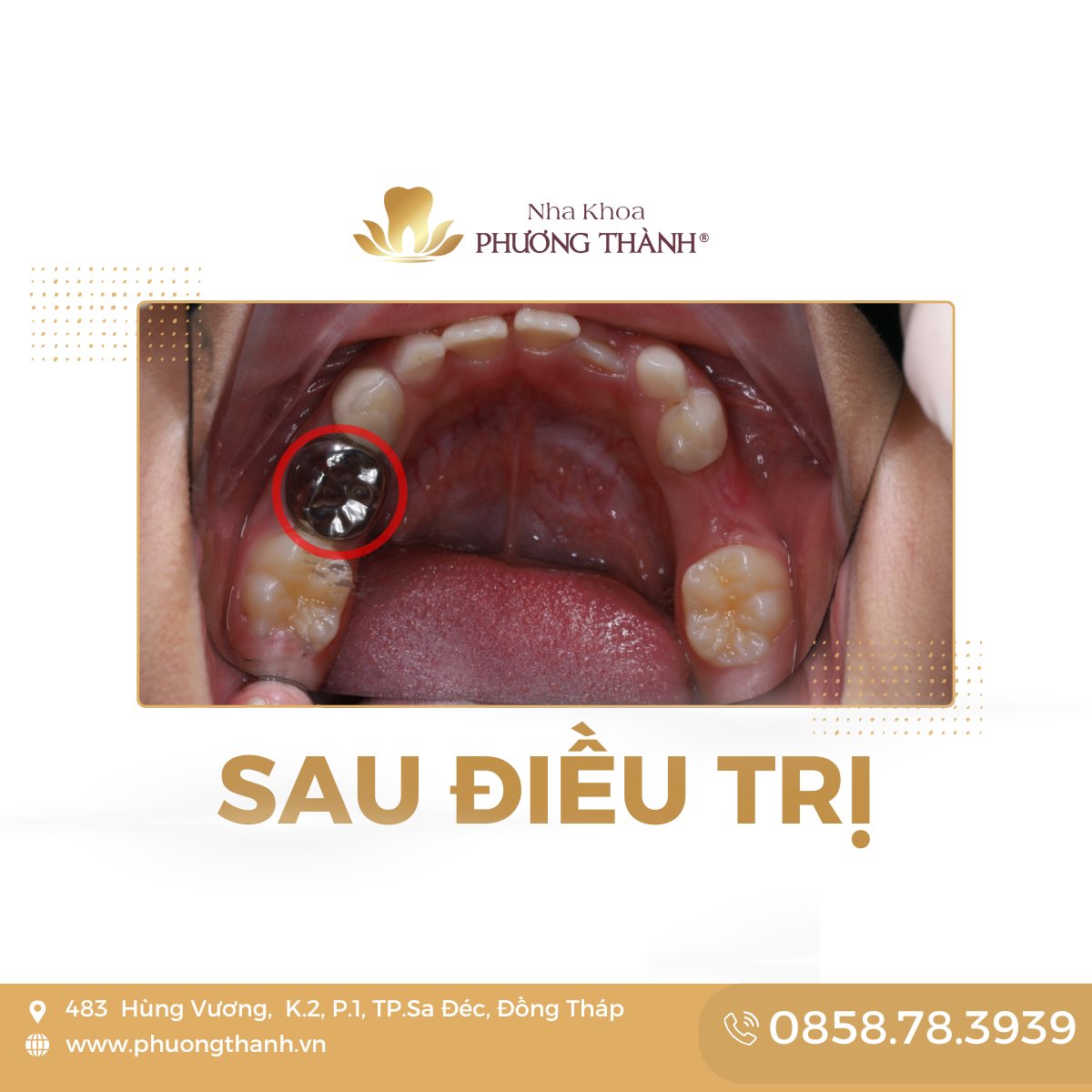
When a primary tooth has extensive decay, significant structural loss, or repeated fillings that are no longer effective, the dentist may consider placing a stainless steel crown to protect the tooth.
This type of restoration is designed to cover the entire crown of the tooth, thereby helping protect it from chewing forces and reducing the risk of further damage.
In pediatric dentistry, stainless steel crowns are commonly used in cases of large cavities in primary molars, after pulp treatment, or when the tooth has a high risk of fracture.
 |
 |
Parents should bring their child in for an examination if they notice any of the following signs:
Early evaluation helps the dentist determine whether the tooth can still be preserved, allowing the most appropriate treatment option to be chosen before the damage becomes more severe.
At Phuong Thanh Dental Clinic, cases of severely decayed primary teeth in children are carefully examined to assess the extent of damage, the possibility of preserving the tooth, and the most suitable restorative option. Timely treatment not only helps reduce discomfort while chewing, but also contributes to supporting the healthy development of permanent teeth later on.
One of the biggest concerns for patients considering dental implants is not necessarily the implant placement itself, but: “After getting...
Dental Floss – A Small Tool with a Big Role in Oral Care Dental floss is one of the oral...

Parents should not overlook common oral health problems in children such as tooth decay, gingivitis, pulpitis, and tongue-tie. Early detection...
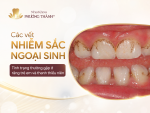
What Are Exogenous Chromogenic Stains on Teeth? Images of Exogenous Chromogenic Stains on Teeth Exogenous chromogenic stains on teeth are...
WORKING HOURS