
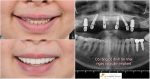
Dental Implants – Get Your Teeth Immediately, Without Disrupting Your Life
One of the biggest concerns for patients considering dental implants is not necessarily the implant placement itself, but: “After getting...
 Published: 18/02/2025
Dental Knowledge
Published: 18/02/2025
Dental Knowledge
After Implant placement, in addition to following your dentist’s instructions, your diet is also a very important factor during the recovery process. Choosing the right foods not only helps reduce discomfort in the first few days, but also supports stable gum tissue healing and a smoother integration of the Implant with the jawbone.
Many people after Implant placement often wonder what they should eat, what they should avoid, and how they should care for themselves to minimize impact on the treated area. In reality, a proper diet during the early stage can significantly contribute to treatment outcomes.
After the Implant post is placed, the tissue around the surgical site needs time to stabilize and heal. At the same time, the Implant also needs to go through the process of integrating with the jawbone before the final restoration can be completed.
During this time, if eating habits are not appropriate, the Implant site may be exposed to:
Therefore, choosing the right foods and eating gently during the early healing stage is essential.
In the first few days after treatment, patients should prioritize foods that are soft, easy to swallow, require minimal chewing, and do not irritate the surgical area.
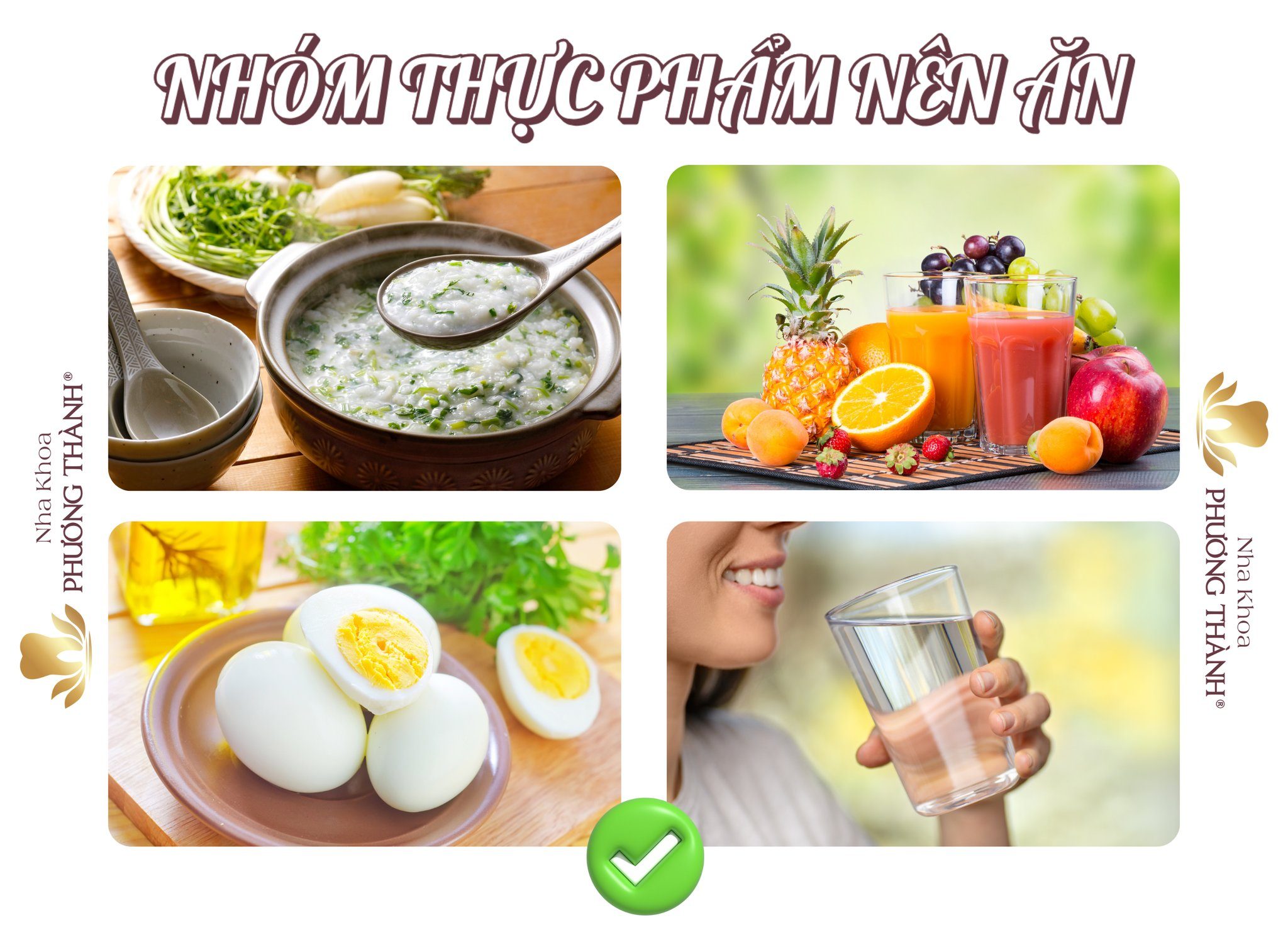
Soft foods help reduce mechanical pressure on the Implant site while still ensuring the body receives enough energy during the recovery phase.
Recommended options include:
These foods are suitable during the early stage because they are easy to eat and place minimal pressure on the newly treated area.
Vitamins and minerals play an important role in supporting the immune system and the healing process of gum tissue.
Suitable choices include:
Adding nutrient-rich foods helps give the body better conditions for recovery after the procedure.
Protein is an essential component in tissue repair and post-treatment recovery.
Some easy-to-use protein sources after Implant placement include:
Maintaining an appropriate amount of protein in daily meals can better support the healing process.
Drinking enough water helps the body maintain metabolic functions and also reduces dry mouth — a factor that may cause discomfort during the early stage after treatment.
However, water should be consumed slowly and gently, and using a straw should be avoided if your dentist has recommended limiting it during the early healing period.
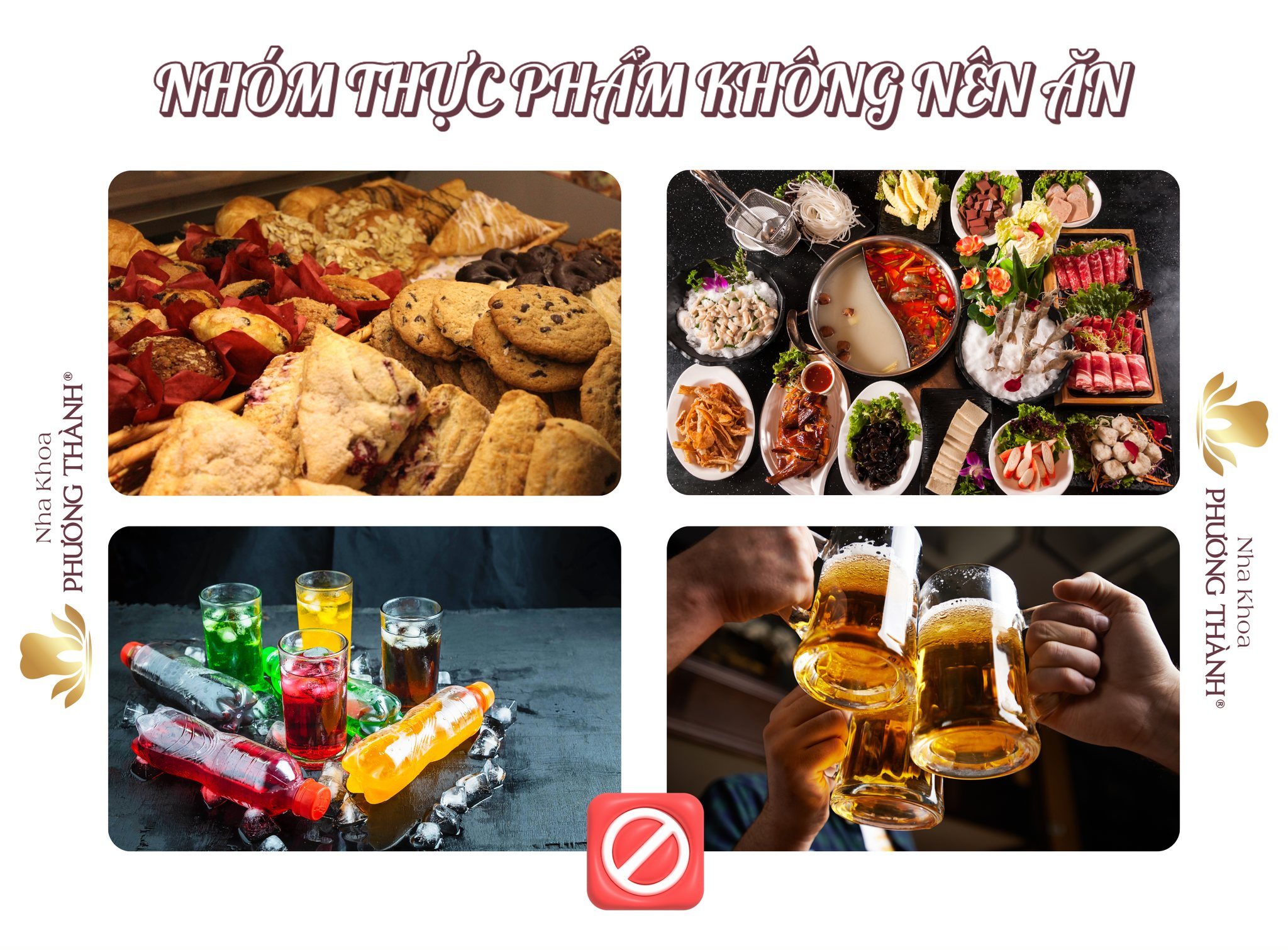
In addition to foods that are recommended, patients should also avoid certain groups of foods that may irritate or negatively affect the Implant site.
Foods that require strong chewing force can increase pressure on the newly treated area.
Examples to limit include:
These foods may cause discomfort or create unnecessary pressure on the Implant area.
Extremely high or low temperatures can make the healing tissue more sensitive, especially during the first few days after the procedure.
Therefore, it is best to choose foods that are comfortably warm, and avoid anything too hot or too cold.
This is a group that should be seriously limited after Implant placement because it may affect tissue recovery and the healing environment in the oral cavity.
Avoid or minimize the following:
In particular, smoking is one of the factors that may negatively affect healing and Implant integration if continued over time.
In addition to choosing the right foods, the way you eat after treatment is also very important.
Each Implant case may have different care instructions, so patients should prioritize following personalized guidance from their treating dentist.
In addition to diet, post-Implant care also includes:
A good post-treatment care plan can help support the stability of the Implant and long-term restorative outcomes.
At Phuong Thanh Dental Clinic, after Implant placement, patients are given detailed instructions on diet, oral hygiene, and post-treatment monitoring based on the actual condition of each case. Following home care instructions correctly is an important part of helping the recovery process proceed more smoothly and stably.
One of the biggest concerns for patients considering dental implants is not necessarily the implant placement itself, but: “After getting...
Dental Floss – A Small Tool with a Big Role in Oral Care Dental floss is one of the oral...
Parents should not overlook common oral health problems in children such as tooth decay, gingivitis, pulpitis, and tongue-tie. Early detection...
What Are Exogenous Chromogenic Stains on Teeth? Images of Exogenous Chromogenic Stains on Teeth Exogenous chromogenic stains on teeth are...
WORKING HOURS