


Dental Implants – Get Your Teeth Immediately, Without Disrupting Your Life
One of the biggest concerns for patients considering dental implants is not necessarily the implant placement itself, but: “After getting...
 Published: 26/04/2026
Dental Knowledge
Published: 26/04/2026
Dental Knowledge
Gingivitis in children is a fairly common condition, but if not detected and treated promptly, it can affect daily activities and even damage permanent teeth later on. To better protect children’s oral health, let’s join Phuong Thanh Dental Clinic in exploring the causes and early signs of gingivitis in the article below.
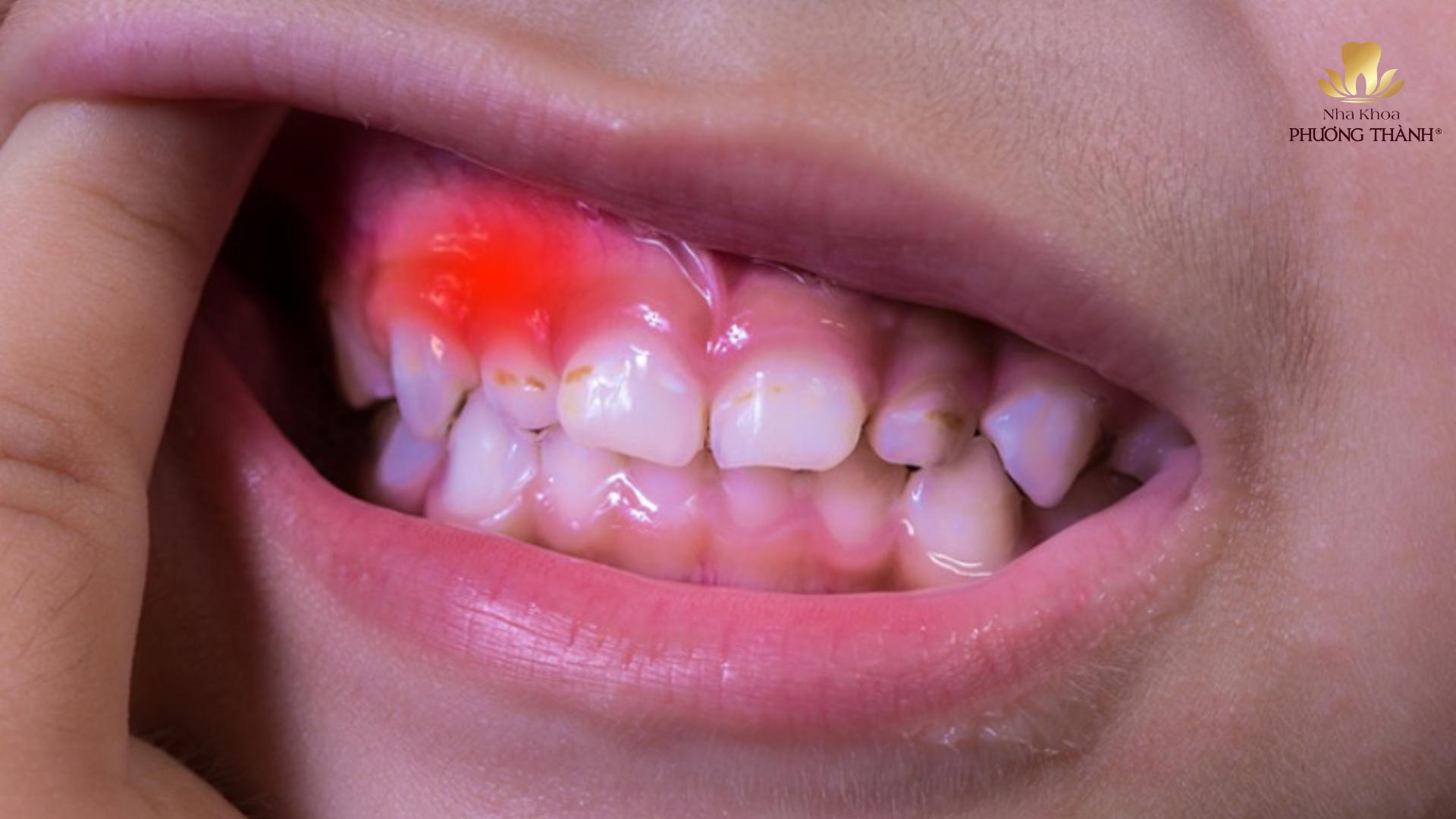
Gingivitis is an infection that occurs in the gum tissue of children, while other structures of the periodontal system such as the alveolar bone, periodontal ligament, and root cementum are not yet affected.
Gingivitis in children is typically divided into two main stages.
In the early stage, the child’s gums show mild swelling, redness, and are prone to bleeding, especially when brushing or upon contact. This is the “golden” time for intervention, as proper care and treatment can quickly reduce inflammation and allow full recovery without complications.
Gingivitis in children can result from various causes, including:
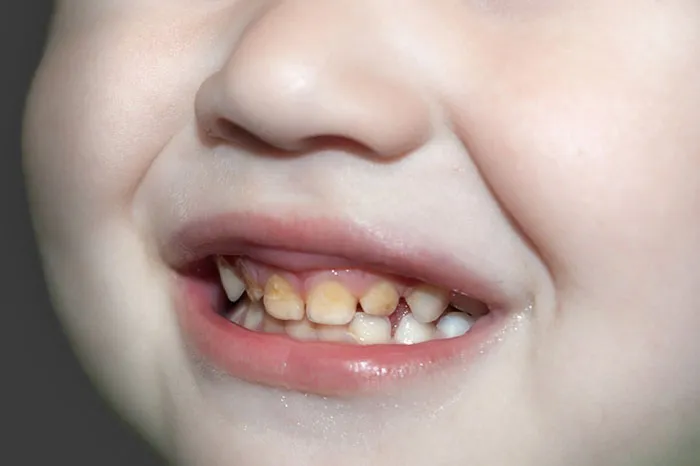
This is the main cause of gingivitis. When children do not maintain proper oral hygiene, food debris and bacteria accumulate over time, forming plaque. This plaque contains a large number of bacteria that adhere to teeth and gums, producing toxins that irritate and damage gum tissue.
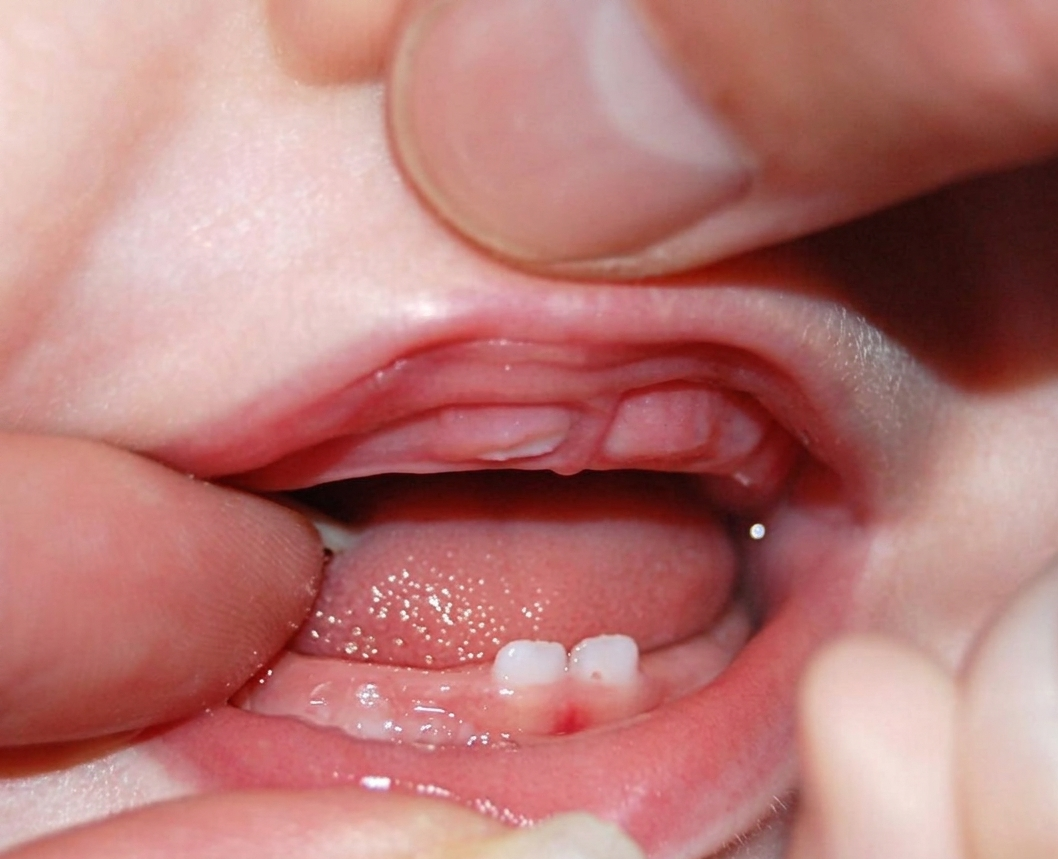
Swollen and red gums during teething are common and temporary, especially when children begin to develop primary teeth (around 6 months of age). As teeth erupt, they put pressure on the gum tissue, causing swelling and redness.

Children’s gums are soft and sensitive, making them prone to injury. Actions such as chewing hard foods or habits like nail-biting can cause gum swelling, redness, and even pain.
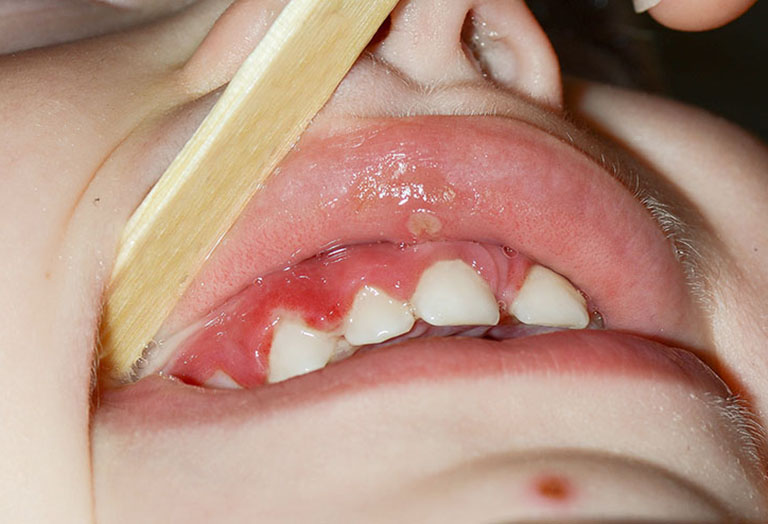
In children aged 2–5 years, gingivitis may be caused by a Herpes virus infection leading to acute stomatitis. After an incubation period of about one week, children may develop blisters on the cheeks, tongue, and gums, resulting in ulcers, pain, difficulty swallowing, and loss of appetite.
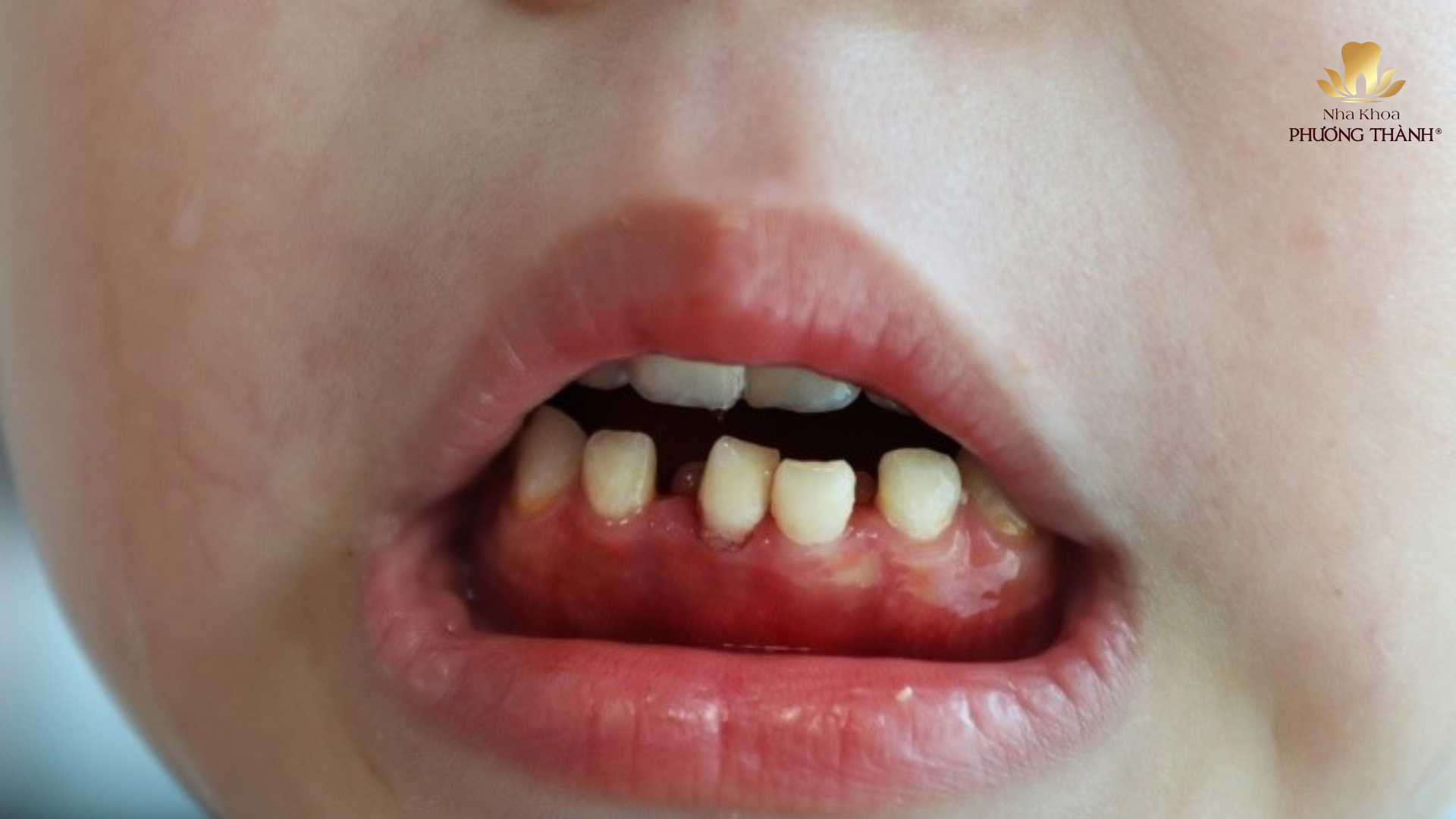
Most cases of gingivitis in children present the following signs:

If not detected and treated promptly, gingivitis in children can negatively impact oral health and daily life. It often causes pain and discomfort when eating, leading to poor appetite and affecting overall health. Bleeding gums may make children afraid to brush their teeth, resulting in poorer oral hygiene. Additionally, gingivitis can cause bad breath due to bacterial buildup, affecting communication. If prolonged, it may increase the risk of tooth decay, damage supporting tissues, affect the development of permanent teeth, and even progress to periodontitis, leading to gum recession, loose teeth, and early tooth loss.
If not detected and treated promptly, gingivitis in children can negatively impact oral health and daily life. It often causes pain and discomfort when eating, leading to poor appetite and affecting overall health. Bleeding gums may make children afraid to brush their teeth, resulting in poorer oral hygiene. Additionally, gingivitis can cause bad breath due to bacterial buildup, affecting communication. If prolonged, it may increase the risk of tooth decay, damage supporting tissues, affect the development of permanent teeth, and even progress to periodontitis, leading to gum recession, loose teeth, and early tooth loss.
In cases where children have gingivitis with pus and bleeding, in addition to cleaning and removing plaque, the dentist may prescribe oral antibiotics. The goal is to control and eliminate harmful bacteria while preventing the infection from spreading.
This is an essential step in treating gingivitis in children, helping to remove plaque, tartar, and accumulated bacteria both on the tooth surface and beneath the gums. During the procedure, the dentist may combine laser technology to clean the root area, limit tartar formation, and prevent bacteria from continuing to accumulate and cause inflammation.
At Phuong Thanh Dental Clinic, gingivitis treatment for children is carried out through a safe, gentle process tailored to each age group. Dentists conduct thorough examinations to determine the severity of the condition and provide the most effective treatment plan.
For mild cases, children will undergo plaque and tartar removal—the main causes of gingivitis. At the same time, dentists provide detailed guidance on proper oral care at home, including correct brushing techniques and the use of dental floss to clean between teeth.
For more severe cases with signs of swelling, pain, or infection, dentists may recommend additional supportive measures such as specialized mouthwash solutions or appropriate medications to reduce inflammation and effectively control bacteria.
In addition to treatment, Phuong Thanh Dental Clinic also emphasizes nutritional counseling, encouraging children to limit sugary and sticky foods while increasing the intake of green vegetables and vitamin-rich fruits to improve gum health.
Regular check-ups every 6 months are especially important to monitor children’s oral health, detect problems early, and prevent the recurrence of gingivitis, ensuring a healthy smile.
PHUONG THANH DENTAL CENTER
Sa Dec Branch: 483 Hung Vuong, Cai Son Hamlet, Sa Dec Ward, Dong Thap Province.
Hotline: 02773 95 6868
Cao Lanh Branch: 783 Pham Huu Lau, Cao Lanh Ward, Dong Thap Province (Dong Thap University Campus)
Hotline: 02773 95 6869
P.T.T
One of the biggest concerns for patients considering dental implants is not necessarily the implant placement itself, but: “After getting...
Dental Floss – A Small Tool with a Big Role in Oral Care Dental floss is one of the oral...
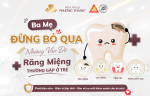
Parents should not overlook common oral health problems in children such as tooth decay, gingivitis, pulpitis, and tongue-tie. Early detection...
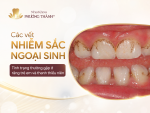
What Are Exogenous Chromogenic Stains on Teeth? Images of Exogenous Chromogenic Stains on Teeth Exogenous chromogenic stains on teeth are...
WORKING HOURS