
Dental Implants – Get Your Teeth Immediately, Without Disrupting Your Life
One of the biggest concerns for patients considering dental implants is not necessarily the implant placement itself, but: “After getting...
 Published: 11/05/2026
Dental Knowledge
Published: 11/05/2026
Dental Knowledge
Dental crown, also known as a porcelain crown, is a dental restoration method chosen by many patients to improve aesthetics and restore chewing function. Join Phuong Thanh Dental Center as we explore this popular restoration technique in the article below!
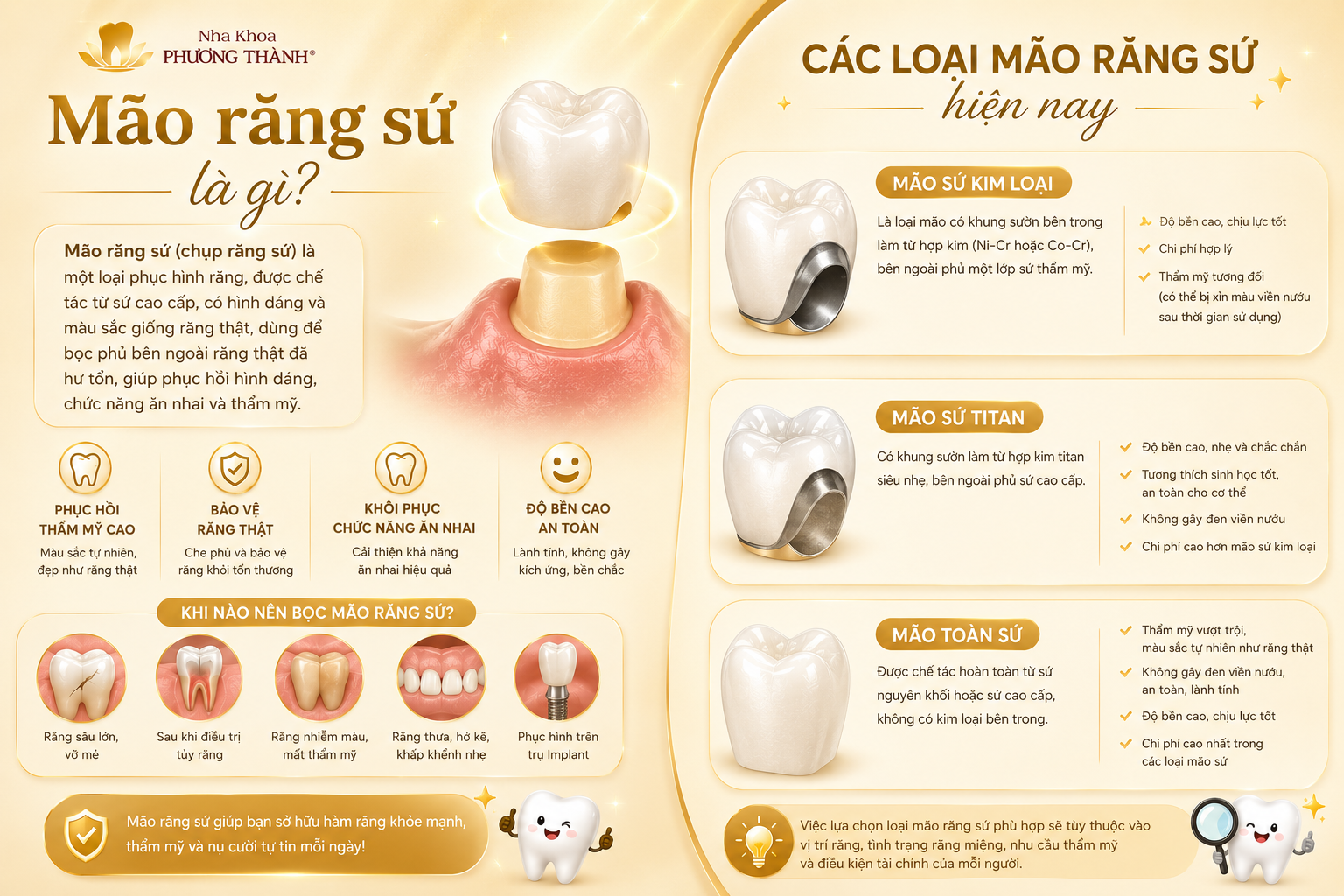
A dental crown, also known as a porcelain crown, is a dental restoration method that uses a crown crafted from dental porcelain or premium alloy. The porcelain crown has a shape, size, and color close to natural teeth, with a hollow interior to fit snugly over the tooth stump.
During the procedure, the dentist will grind a portion of the natural tooth structure to create a tooth stump, then attach the porcelain crown on top to restore the tooth’s shape, chewing function, and aesthetics. Crowns are also used to support various other restoration methods. However, since natural tooth structure must be ground down, this technique is considered relatively invasive.
A dental crown consists of 2 main parts: the inner framework and the outer porcelain layer.
Currently, dental crowns are divided into 3 popular types, meeting diverse needs in terms of aesthetics, durability, and cost.
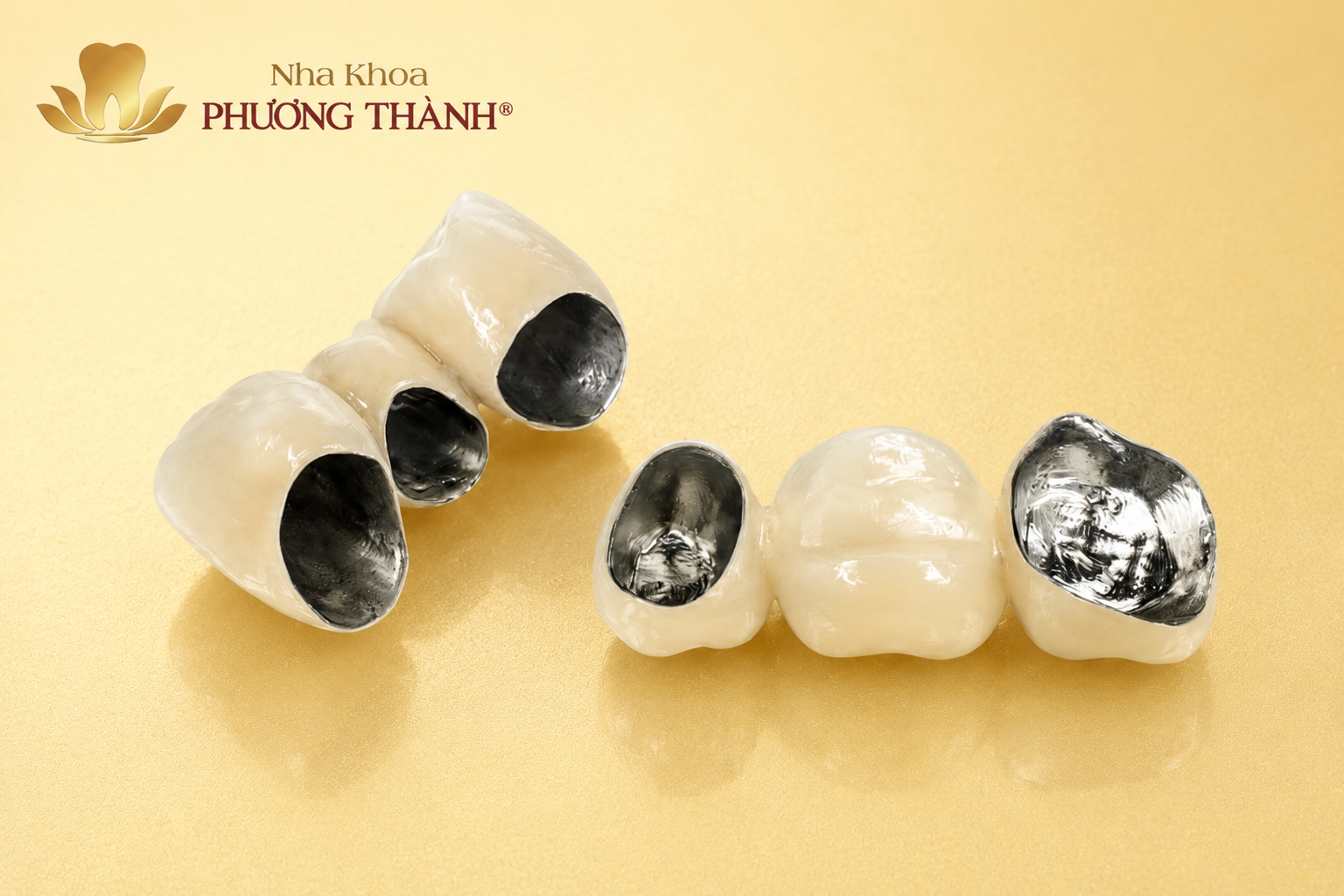
Metal-fused porcelain crowns are the most cost-effective type of dental crown available today. This crown type features an alloy framework such as Chrome–Nickel or Chrome–Cobalt, with an aesthetic porcelain layer on the outside. The average lifespan ranges from approximately 3–5 years depending on care.
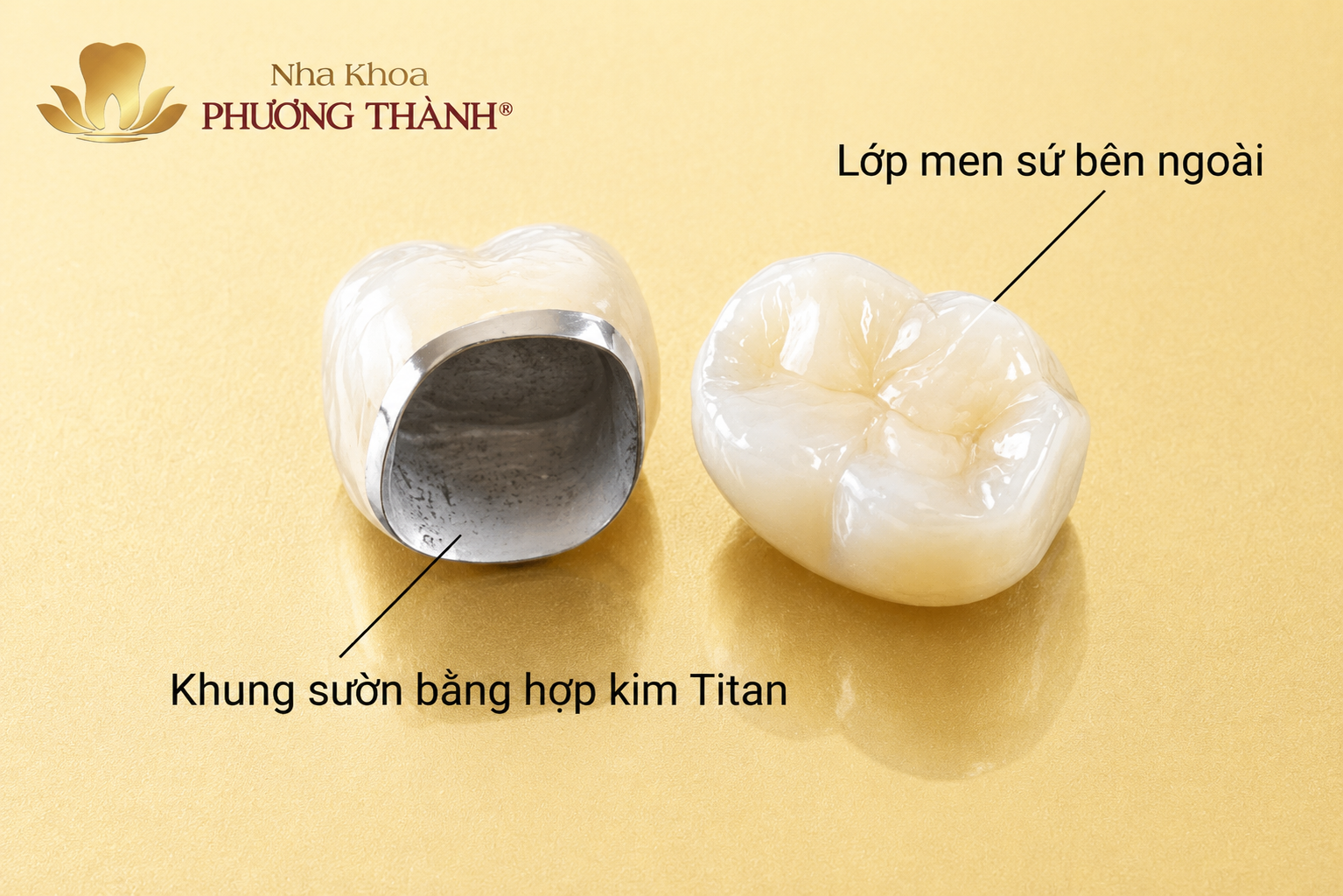
Titanium porcelain crowns have a structure similar to metal-fused crowns but the framework contains Titanium — a material with high biocompatibility. With proper care, the lifespan of a titanium porcelain crown can extend from 5–10 years or more.
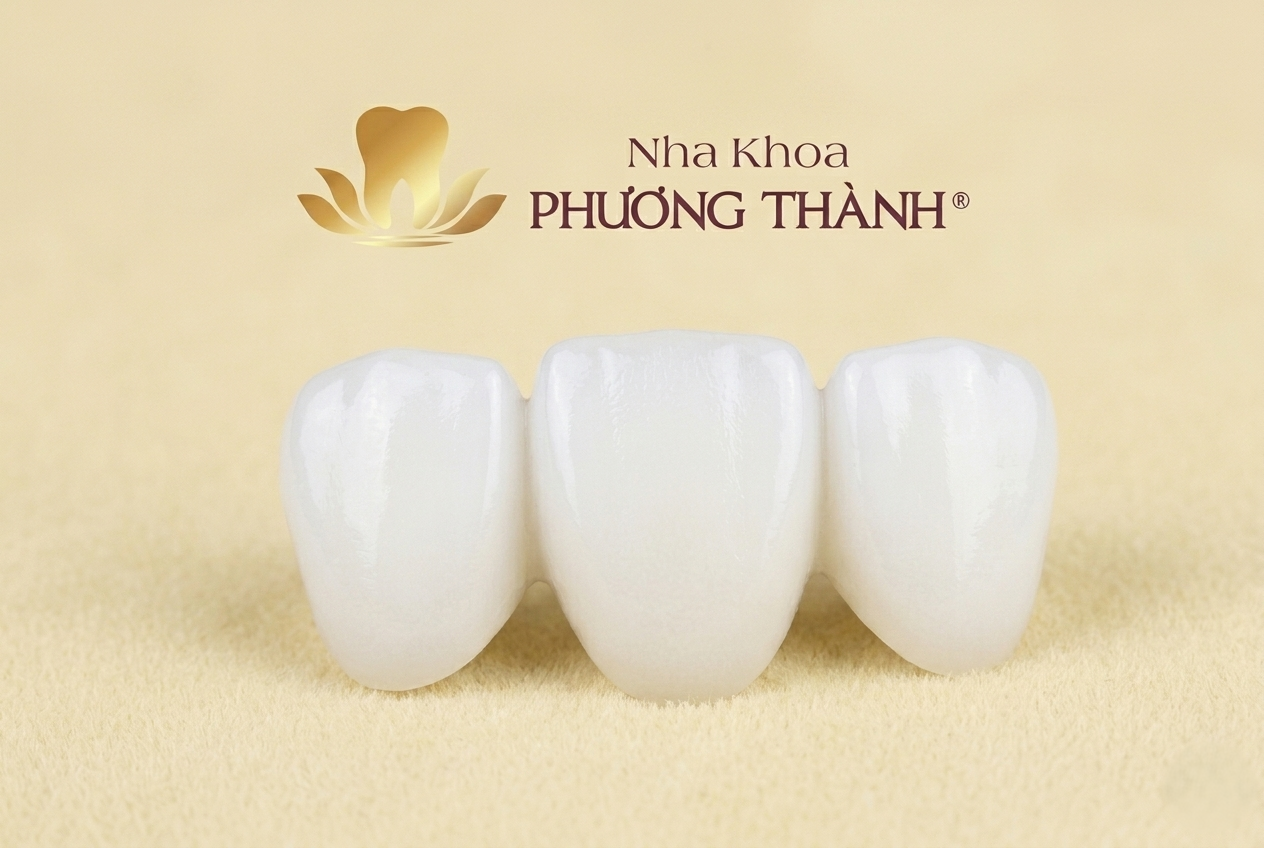
All-ceramic crowns are the premium category of dental crowns, with the inner framework made entirely from bio-ceramic material, containing no metal. This is the option preferred by many patients due to its superior aesthetics and durability. The average lifespan can reach 10–20 years with proper care.
Below are the common cases indicated for restoration with a dental crown:
To achieve optimal restoration results and ensure oral health safety, patients should visit a reputable dental clinic for examination and specific advice regarding their dental condition and suitability for crown treatment.
Before placing a dental crown, the dentist will conduct a comprehensive oral examination to assess the current health of the teeth. If the patient has issues such as tooth decay, periodontitis, pulpitis, or pulp necrosis, these must be fully treated before proceeding with porcelain restoration. Based on the actual condition, the dentist will advise on the most suitable type of crown and treatment plan.
Before grinding the tooth, the dentist will clean the oral cavity and administer local anesthesia to ensure the patient is comfortable and experiences minimal sensitivity or pain during the procedure.
Tooth preparation is a critical and technically demanding step in the crown procedure. The amount of tooth reduction varies depending on each tooth’s condition, so the dentist must have professional skill and experience to ensure the correct proportion is achieved. Grinding too little or too much can affect the durability, aesthetics, and long-term health of the natural tooth.
After completing the tooth preparation, the dentist will take an impression of the teeth to send to the dental laboratory for fabrication of a porcelain crown tailored to each patient.
Today, with advanced iTero Lumina Scan 5D technology, the impression-taking process is performed using a digital scanner instead of the traditional impression method. This technology improves accuracy, shortens procedure time, and provides a more comfortable and pleasant experience for patients.
Once the porcelain crown is completed, the dentist will try it in and make adjustments so that the crown fits snugly over the tooth stump, ensuring correct aesthetics and bite alignment. The crown is then permanently bonded using specialized dental adhesive for long-term strength and stability.
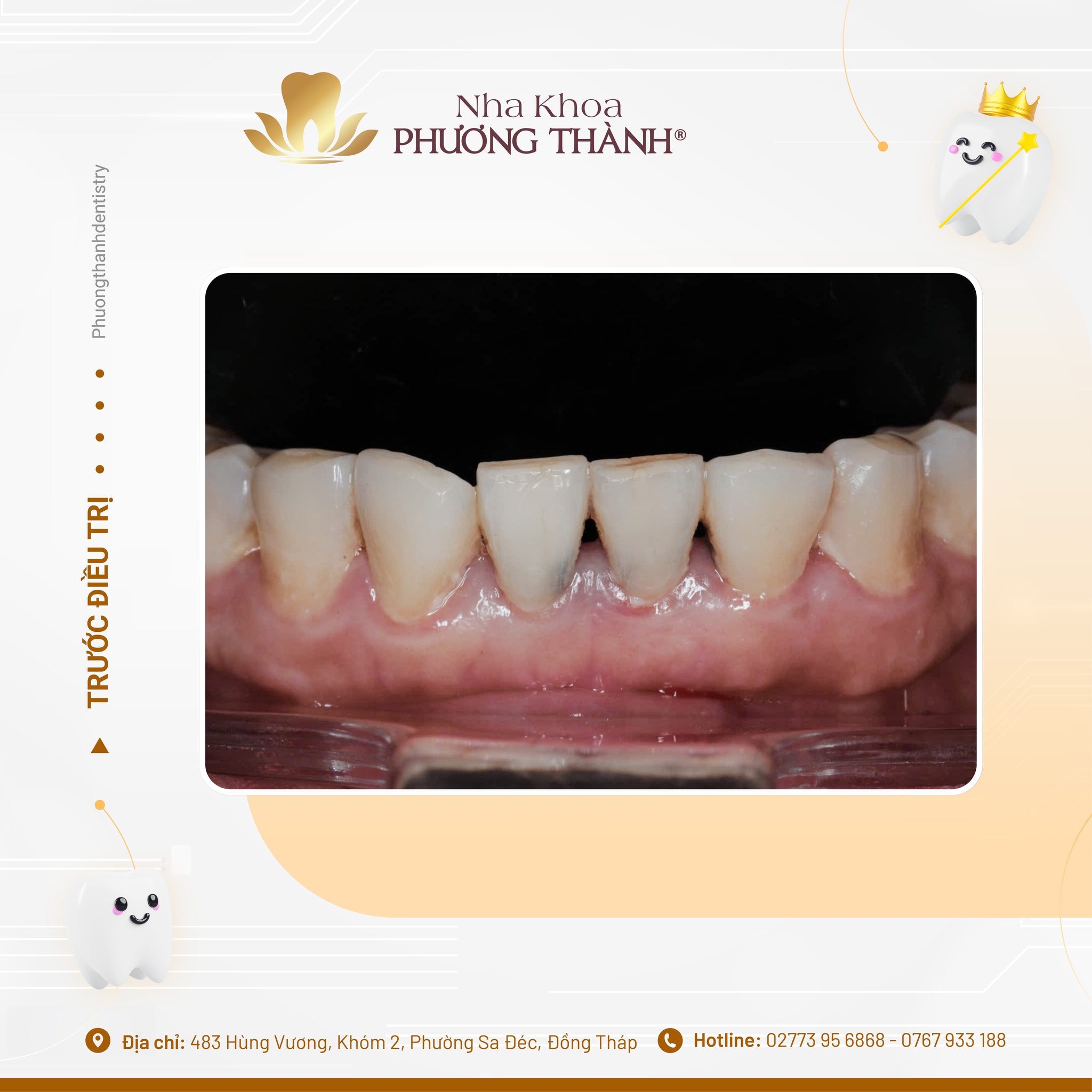
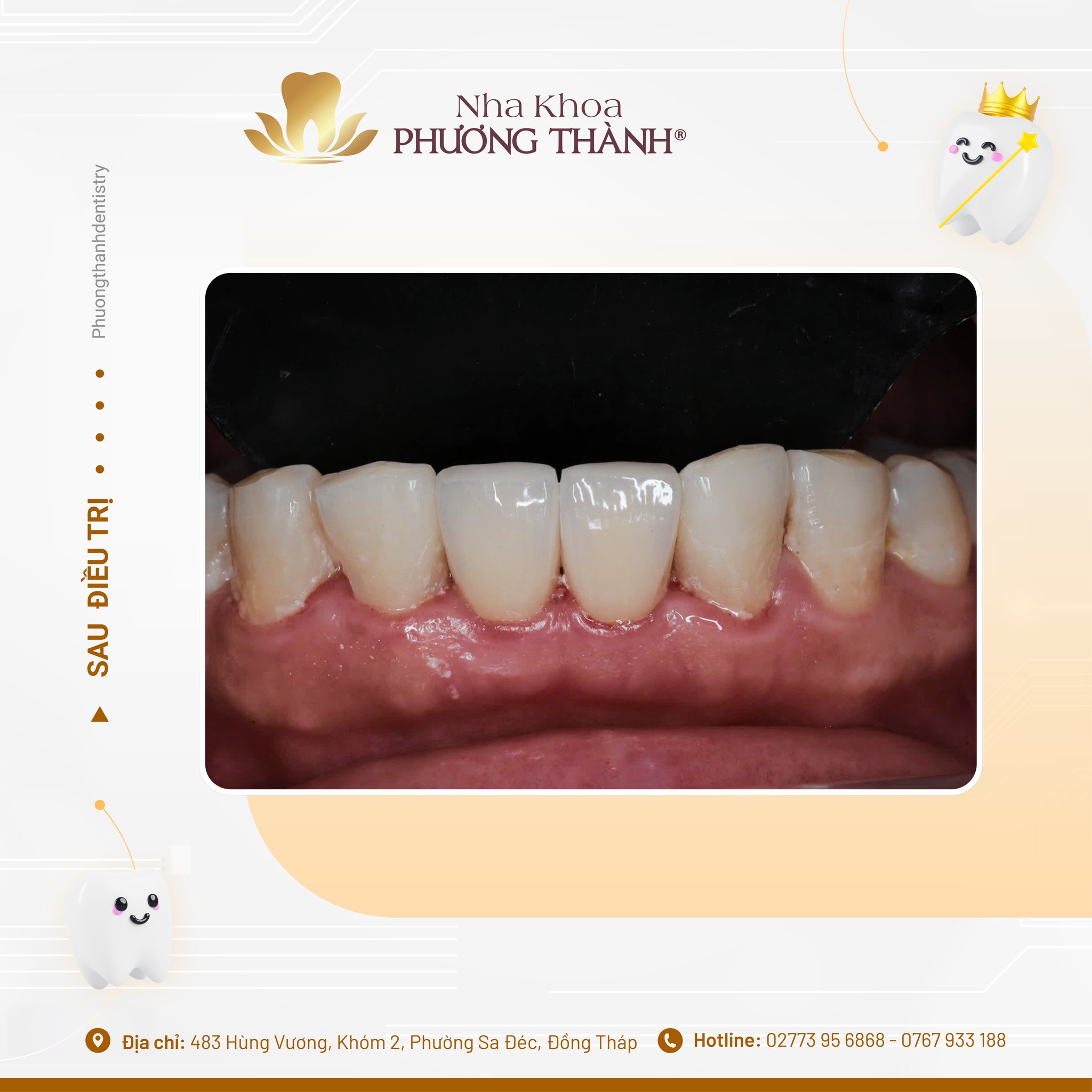
A successful crown procedure not only ensures natural aesthetics but also needs to provide comfortable chewing function and harmonize with the entire dental arch.
 |
 |
Phuong Thanh Dental Center is a trusted address chosen by many patients for porcelain crown procedures and high-quality dental care. With professional services and a modern treatment process, Phuong Thanh Dental always strives to bring the highest satisfaction and best experience to every patient.
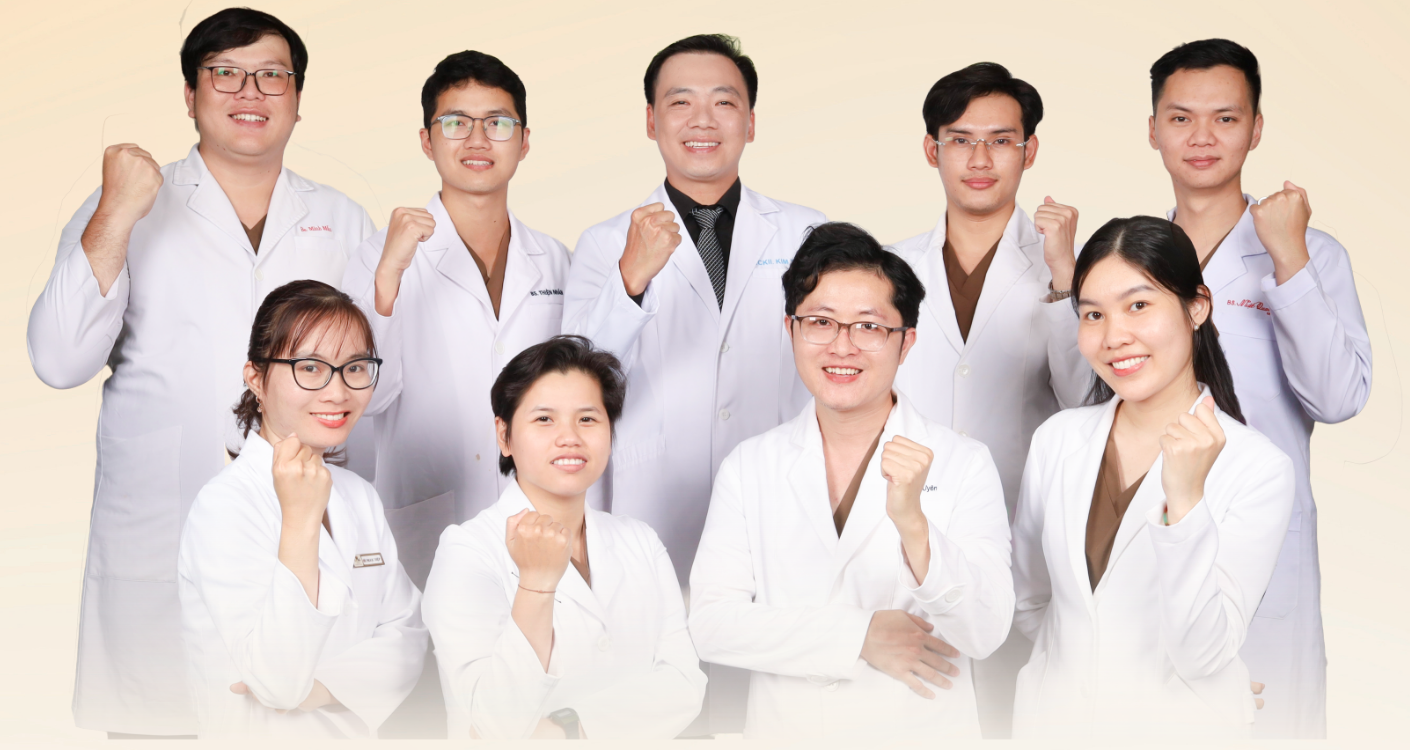
At Phuong Thanh Dental Center, the team of dentists has deep expertise in aesthetic porcelain restorations, trained and having studied abroad for many years, while regularly participating in professional conferences to stay updated on new techniques.
With experience successfully performing many crown procedures, the dentists always focus on building precise, safe, and optimized treatment plans for each patient. The goal of Phuong Thanh Dental Center is not only to improve smile aesthetics but also to ensure stable and long-lasting functional results.
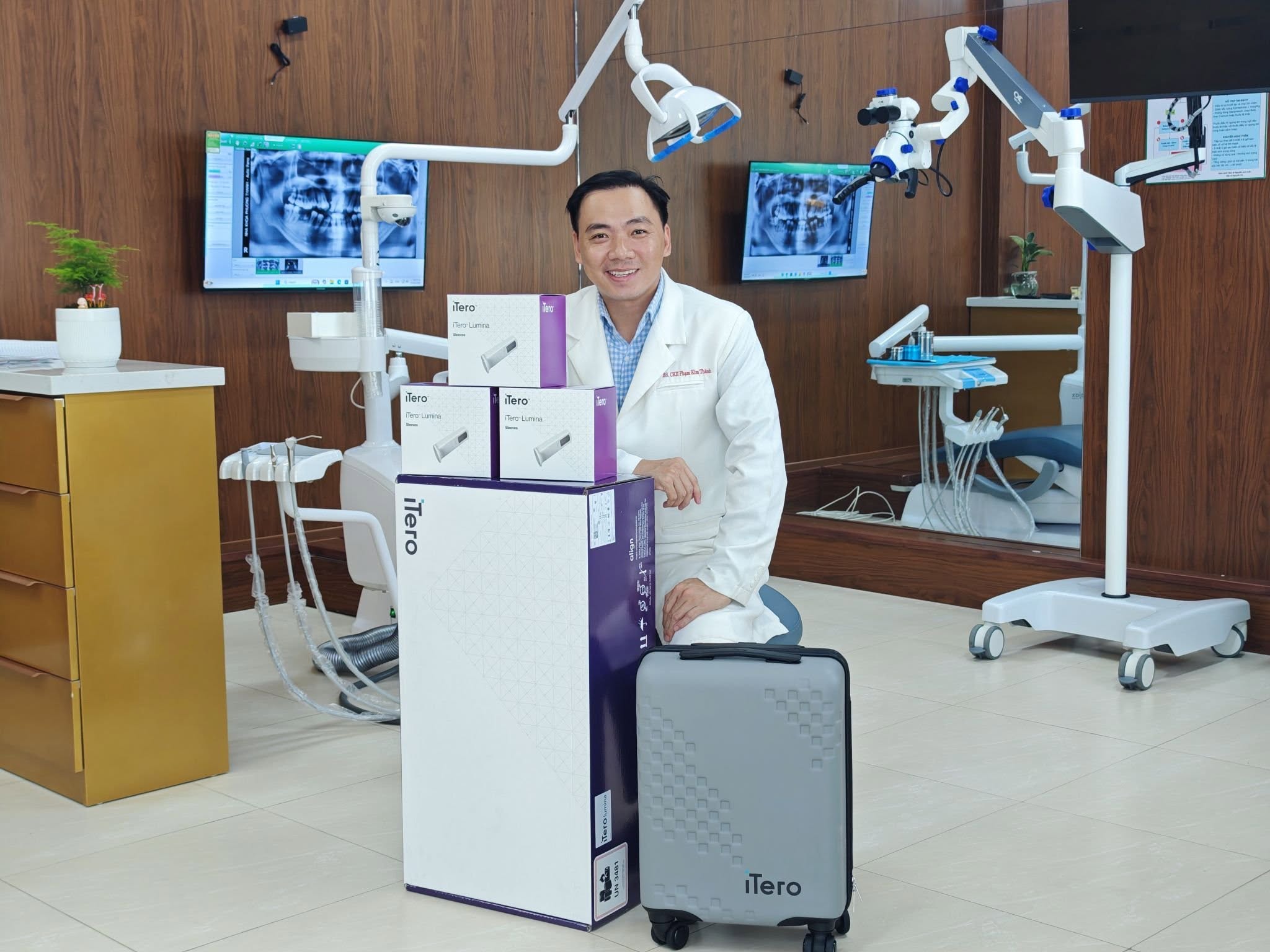
In addition to an experienced dental team, Phuong Thanh Dental Center also invests in a modern equipment system to improve precision and optimize the treatment experience for patients undergoing crown procedures.
Most notably, the iTero Lumina Scan 5D technology — a next-generation digital dental scanner that recreates detailed oral images with high accuracy. This technology helps dentists capture dental arch data quickly, reducing errors compared to traditional impression methods.
Thanks to its comprehensive scanning capability and visual display, patients can easily monitor their oral health and preview their crown restoration plan. Digital scanning technology also makes the impression process lighter and more comfortable, reducing the discomfort or nausea commonly associated with the traditional method.
Applying modern technology in examination and restoration not only helps the crown achieve optimal fit but also contributes to better aesthetics, durability, and long-term effectiveness for patients.
At Phuong Thanh Dental, patients are always accompanied throughout the entire journey from consultation to treatment by a professional and dedicated team of staff and dentists. All questions and support needs are addressed promptly to ensure peace of mind and comfort throughout the treatment process.
From the very first consultation, the dentist will provide clear, honest advice on the patient’s oral condition and the most suitable restoration option. Phuong Thanh Dental Center always aims to deliver porcelain crowns that not only achieve natural aesthetics but also ensure firm chewing function, high durability, and long-term effectiveness.
PHUONG THANH DENTAL CENTER
Sa Dec Branch: 483 Hung Vuong, Cai Son hamlet, Sa Dec ward, Dong Thap province.
Hotline: 02773 95 6868
Cao Lanh Branch: 783 Pham Huu Lau, Cao Lanh ward, Dong Thap province (Dong Thap University campus)
Hotline: 02773 95 6869
P.T.T
One of the biggest concerns for patients considering dental implants is not necessarily the implant placement itself, but: “After getting...
Dental Floss – A Small Tool with a Big Role in Oral Care Dental floss is one of the oral...
Parents should not overlook common oral health problems in children such as tooth decay, gingivitis, pulpitis, and tongue-tie. Early detection...
What Are Exogenous Chromogenic Stains on Teeth? Images of Exogenous Chromogenic Stains on Teeth Exogenous chromogenic stains on teeth are...
WORKING HOURS