

Is Brushing Your Teeth Before Bed Really as Important as You Think?
Skipping your nighttime brushing routine may seem like a small habit, but it can quietly have a serious impact on...
 Published: 05/04/2026
Did you know that tooth enamel is one of the hardest tissues in the human body, with a very high level of hardness compared to many other structures? However, no matter how strong it is, teeth can still be damaged if they are not properly cared for and protected.
Understanding the structure of a tooth can help you recognize early warning signs and become more proactive in your daily oral care routine.
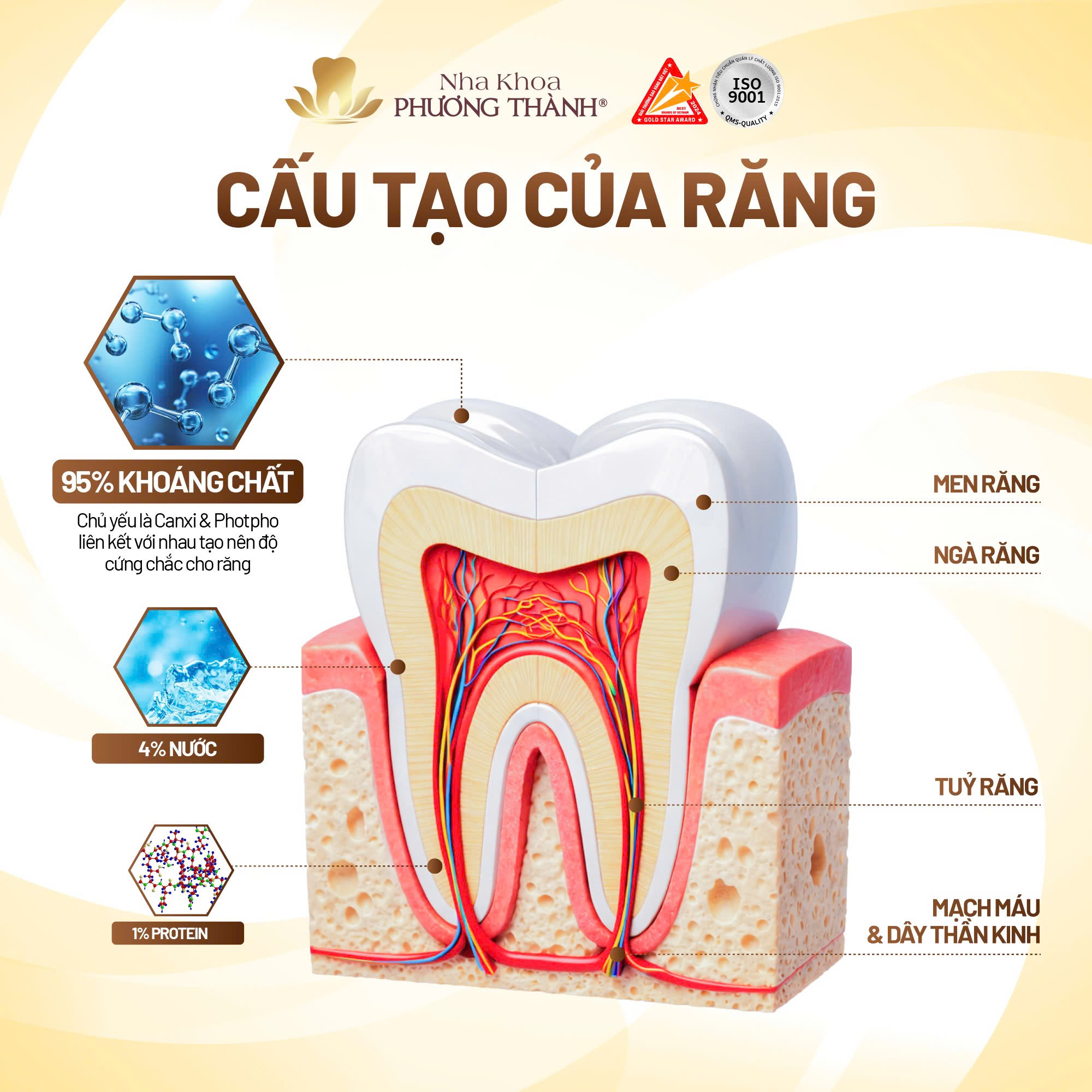
Tooth enamel is the outermost layer, covering the crown of the tooth and serving as the first layer exposed to the oral environment.
Tooth enamel is composed mainly of minerals, with a very high degree of mineralization, especially calcium and phosphorus. Thanks to this structure, enamel is extremely hard and acts as a “protective shield” for the tooth.
Tooth enamel helps:
However, tooth enamel cannot fully regenerate on its own once it has been worn down or damaged. If enamel is destroyed by:
then the inner layers of the tooth may gradually be affected.
Located directly beneath the enamel is dentin – the tissue that makes up most of the tooth’s volume and plays a very important role in transmitting sensations.
Dentin contains many tiny dentinal tubules that extend from the dentin surface deep into the tooth and are connected to the pulp area. Compared to enamel, dentin is softer and more sensitive to external stimuli.
Dentin helps:
When the enamel layer becomes worn or decayed, the dentin may become exposed. At this stage, you may begin to experience symptoms such as:
These symptoms are often signs that your teeth need to be checked and cared for as soon as possible.
Dental pulp is the deepest layer inside the tooth and is considered the vital central part that helps maintain the tooth’s life and sensation.
Inside the dental pulp are:
This is a highly sensitive area and plays an essential role in nourishing the tooth from within.
Dental pulp helps:
If bacteria from tooth decay reach the pulp, the patient may experience:
At that point, the tooth often requires endodontic treatment (root canal treatment) to preserve the natural tooth and prevent further complications.
Understanding the three layers of tooth structure is not only informative but also helps you:
Many cases may begin with only enamel wear, minor decay, or temporary sensitivity, but due to neglect, the damage may spread deeper into the dental pulp, making treatment more complicated.
That is why you should not miss the “right time” to protect your natural teeth from the earliest warning signs.
At Phuong Thanh Dental Clinic, examinations go beyond simply treating symptoms. Greater emphasis is placed on evaluating the overall tooth structure and oral condition, helping detect early issues affecting tooth enamel, dentin, and dental pulp.
Through regular check-ups, in-depth examinations, and personalized care guidance, patients can be more proactive in preserving their natural teeth, limiting the progression of dental damage and maintaining a healthy smile for the long term.
Skipping your nighttime brushing routine may seem like a small habit, but it can quietly have a serious impact on...
What should you eat with braces to reduce pain and avoid affecting your brackets? This is a concern for most...

What should you eat while wearing braces to adapt quickly and reduce discomfort? Explore a well-balanced diet recommended by Phuong...
The secret to keeping a healthy, beautiful smile every day with Phuong Thanh Dental Clinic Healthy teeth not only help...
WORKING HOURS