


Dental Implants – Get Your Teeth Immediately, Without Disrupting Your Life
One of the biggest concerns for patients considering dental implants is not necessarily the implant placement itself, but: “After getting...
 Published: 03/05/2026
Dental Knowledge
Published: 03/05/2026
Dental Knowledge
An underbite is a serious form of malocclusion that can significantly affect facial aesthetics, smile appearance, and oral health if not treated promptly. So, what are the effective solutions to correct this condition?
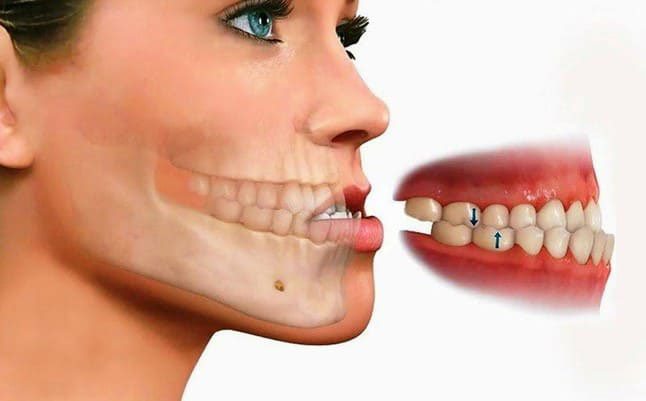
An underbite, also known as mandibular prognathism or reverse bite, is a condition where the lower jaw or lower teeth protrude further forward than the upper jaw. People with this condition should visit a dentist as early as possible for evaluation and appropriate treatment. This is a severe type of malocclusion that, if prolonged, may affect chewing function, reduce self-confidence in communication, and make future treatment more complicated.
An underbite or protruding lower jaw is relatively easy to recognize through the following typical signs:
This condition results from imbalanced jawbone development, where the lower jaw grows excessively or the upper jaw is underdeveloped. As a result, the lower jaw protrudes noticeably, causing facial asymmetry.
This is a combination of dental misalignment and jawbone imbalance. Patients have protruding lower front teeth along with excessive lower jaw development. This is also a more complex and difficult condition to treat compared to other forms of underbite.
This condition occurs when the jawbone structure develops normally, but the teeth erupt in incorrect positions. It commonly appears when the lower front teeth protrude outward or the upper front teeth tilt inward, making the lower jaw appear more prominent. In addition, a narrow upper dental arch may also cause crossbite or reverse bite.
An underbite may result from various causes, including:
Certain habits such as frequently pushing the lower jaw forward, jaw shifting, or tongue thrusting may cause an underbite or worsen its severity over time.
This is the most common cause of underbite. If grandparents, parents, or relatives have an underbite, children are at a higher risk of inheriting the condition.
Besides genetics and bad habits, underbite may also be related to factors such as:
Yes, an underbite can be effectively corrected through dental treatments such as braces, porcelain crowns, or jaw surgery. The appropriate method depends on the cause and severity of each case.
Currently, common underbite treatments include:
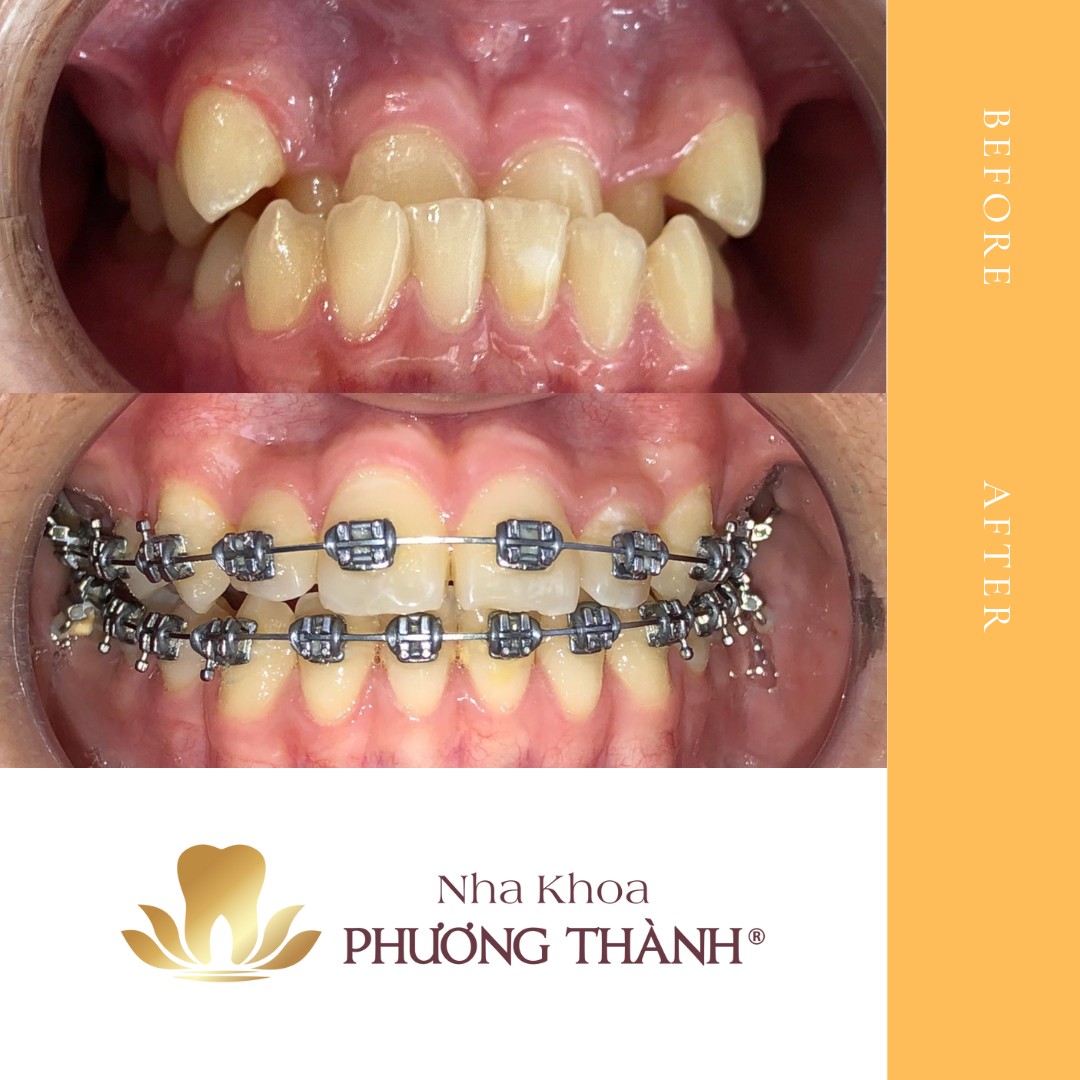
Braces are highly effective for cases of dental underbite. Depending on individual needs and conditions, dentists may recommend suitable orthodontic options such as:
 |
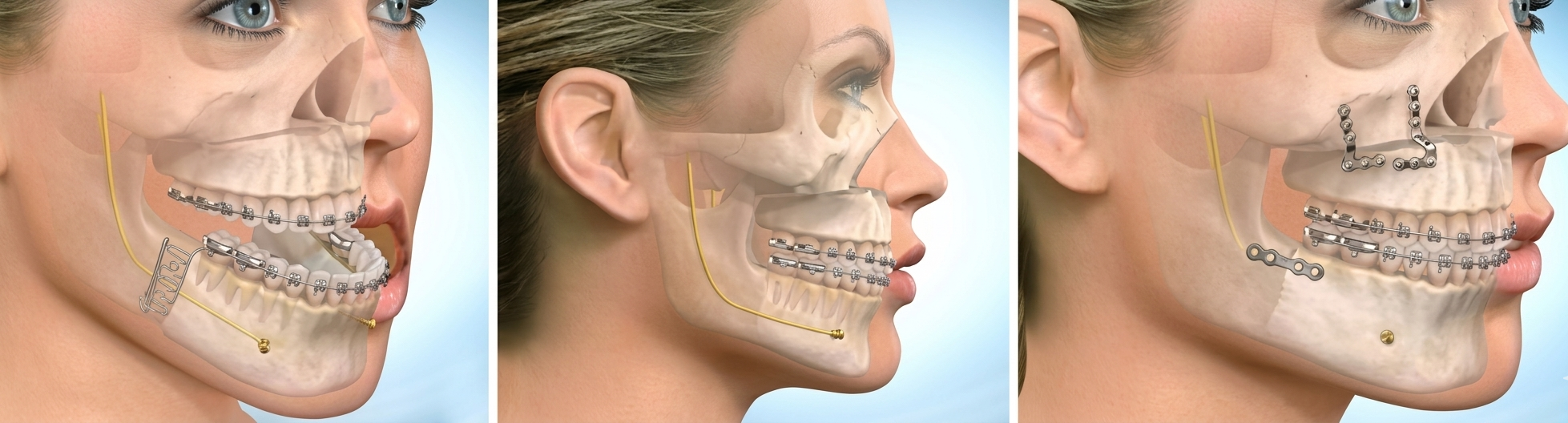 |
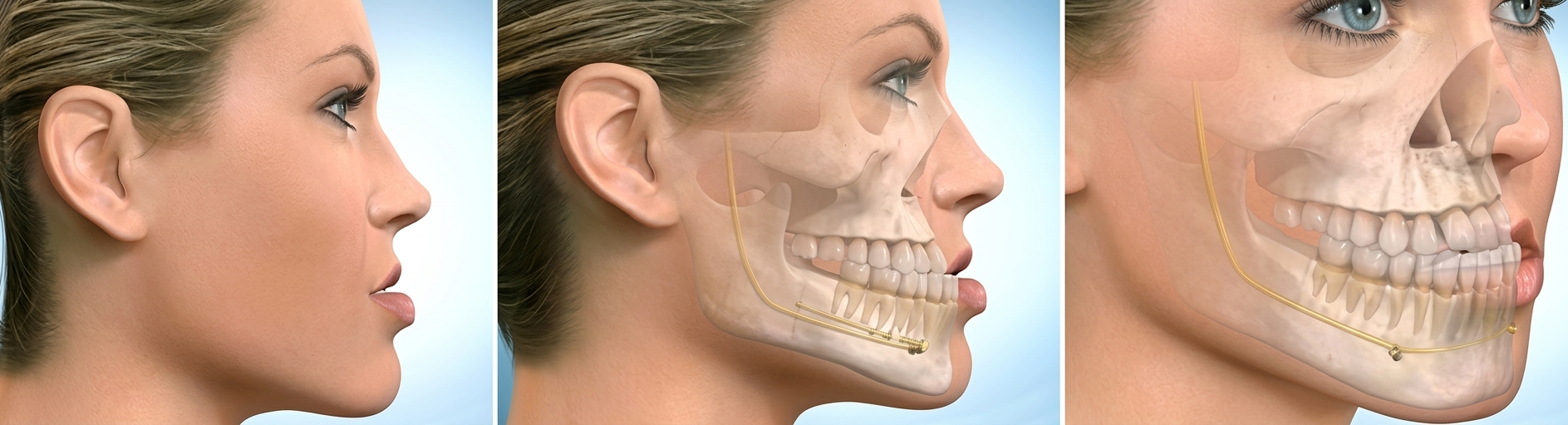
For adults with skeletal underbite, dentists may recommend corrective jaw surgery to thoroughly improve the condition. After treatment, facial balance and bite alignment become more harmonious.
In cases caused by both dental and skeletal factors, patients often need a combination of braces and jaw surgery to achieve optimal results.
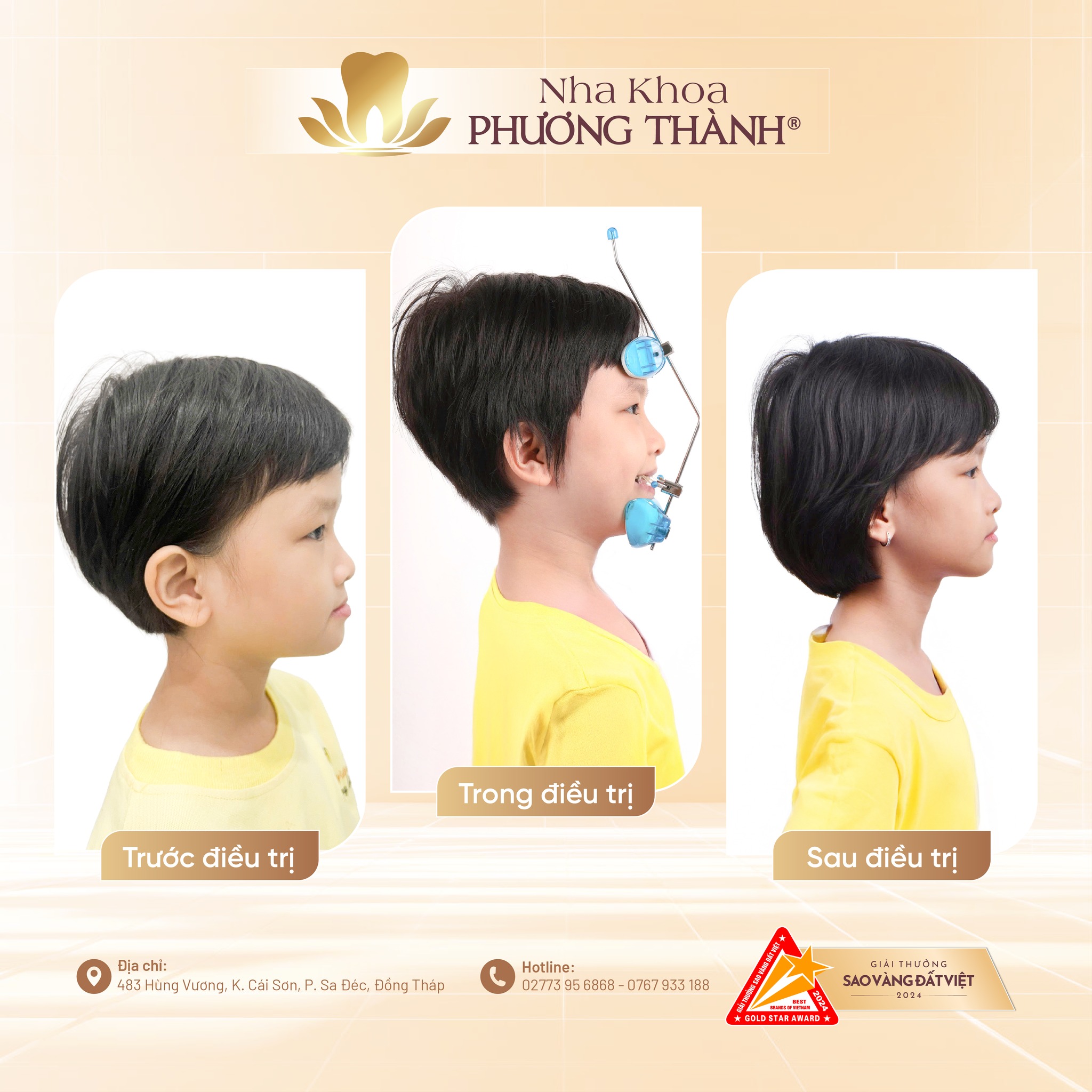
For children whose jawbones are still developing, treatment usually focuses on eliminating bad habits and using orthodontic appliances. Depending on the case, dentists may recommend appliances such as Facemask or Meaw arch to help pull the upper jaw forward and control lower jaw growth.
To effectively treat underbite and reduce the need for complex interventions later, parents should bring children for early orthodontic checkups, especially during the golden age between 5–11 years old. This is particularly important if family members have underbite caused by dental or skeletal factors.
Through examinations, dentists can evaluate tooth and jaw development, detect abnormalities early, and provide timely intervention. When treated at the right time, children have a better chance of improving the condition more easily, shortening treatment time, and minimizing impacts on aesthetics, psychology, and daily activities.
An underbite not only affects facial aesthetics but also significantly impacts chewing ability, speech, and temporomandibular joint health, especially in severe cases. Details include:
When the two jaws are imbalanced, airflow and tongue positioning during speech are also affected, causing unclear pronunciation. Therefore, many people with an underbite may experience lisping, stuttering, or difficulty communicating fluently.
The misalignment between the upper and lower jaws results in an improper bite, making it harder to chew and grind food. Poorly processed food forces the stomach and digestive system to work harder, which may eventually lead to digestive disorders.
An improper bite caused by underbite forces the jaw muscles and temporomandibular joints to work excessively for a long time. As a result, patients may experience jaw pain, chewing muscle fatigue, or pain in the temporomandibular joint area.
People with an underbite often have a concave facial profile when viewed from the side. The prominent chin and lower jaw make the face appear unbalanced and sometimes create a less harmonious “crescent-shaped” facial appearance. When speaking or smiling, the condition becomes more noticeable, which may reduce self-confidence in communication.
Below are some frequently asked questions about severe underbite and their answers for your reference:
Not all underbite orthodontic cases require tooth extraction. Whether extraction is necessary depends on the severity of the misalignment, the cause of the underbite, the degree of tooth crowding, and the dentist’s treatment plan.
Underbite braces may cause soreness or discomfort during the initial stage of wearing the appliances and after adjustment appointments. However, this sensation usually lasts only a short time and gradually decreases as the mouth adapts to the orthodontic appliances.
Yes. Underbite is a condition with a strong hereditary factor. According to many studies, most underbite cases are related to inherited genes from parents or grandparents. If someone in the family has an underbite, future generations are more likely to develop the condition.
Skeletal underbite occurs when the upper jaw develops insufficiently while the lower jaw develops excessively. This imbalance causes the lower jaw to protrude noticeably forward. Some cases may be associated with cleft palate deformities, resulting in underdeveloped upper jaw size and upper teeth positioned behind the lower teeth.
At Phuong Thanh Dental Clinic, underbite cases are examined and treated with personalized treatment plans based on the cause and severity of each patient’s condition. After a comprehensive examination, X-rays, and bite evaluation, dentists will recommend suitable treatment methods to improve both chewing function and facial aesthetics.
Treatment solutions for underbite at the clinic include:
With a team of experienced dentists and a modern support equipment system, Phuong Thanh Dental Clinic aims to provide harmonious bite alignment, improve facial aesthetics, and help patients feel more confident in daily communication.
PHUONG THANH DENTAL CENTER
Sa Dec Branch: 483 Hung Vuong Street, Cai Son Hamlet, Sa Dec Ward, Dong Thap Province.
Hotline: 02773 95 6868
Cao Lanh Branch: 783 Pham Huu Lau Street, Cao Lanh Ward, Dong Thap Province (Dong Thap University Campus)
Hotline: 02773 95 6869
P.T.T
One of the biggest concerns for patients considering dental implants is not necessarily the implant placement itself, but: “After getting...
Dental Floss – A Small Tool with a Big Role in Oral Care Dental floss is one of the oral...
Parents should not overlook common oral health problems in children such as tooth decay, gingivitis, pulpitis, and tongue-tie. Early detection...
What Are Exogenous Chromogenic Stains on Teeth? Images of Exogenous Chromogenic Stains on Teeth Exogenous chromogenic stains on teeth are...
WORKING HOURS