




Dental Implants – Get Your Teeth Immediately, Without Disrupting Your Life
One of the biggest concerns for patients considering dental implants is not necessarily the implant placement itself, but: “After getting...
 Published: 16/06/2026
Dental Knowledge
Published: 16/06/2026
Dental Knowledge
Have you ever admired the bright, perfectly aligned smiles on magazine covers or movie screens and wished you could have one too? The truth is, not everyone is lucky enough to be born with perfect teeth. Many children today develop white spots on their teeth — an issue that not only affects appearance but also undermines their confidence in daily interactions. So what are these spots, and why do they appear? Let’s explore MIH — a fairly common dental condition in children today.
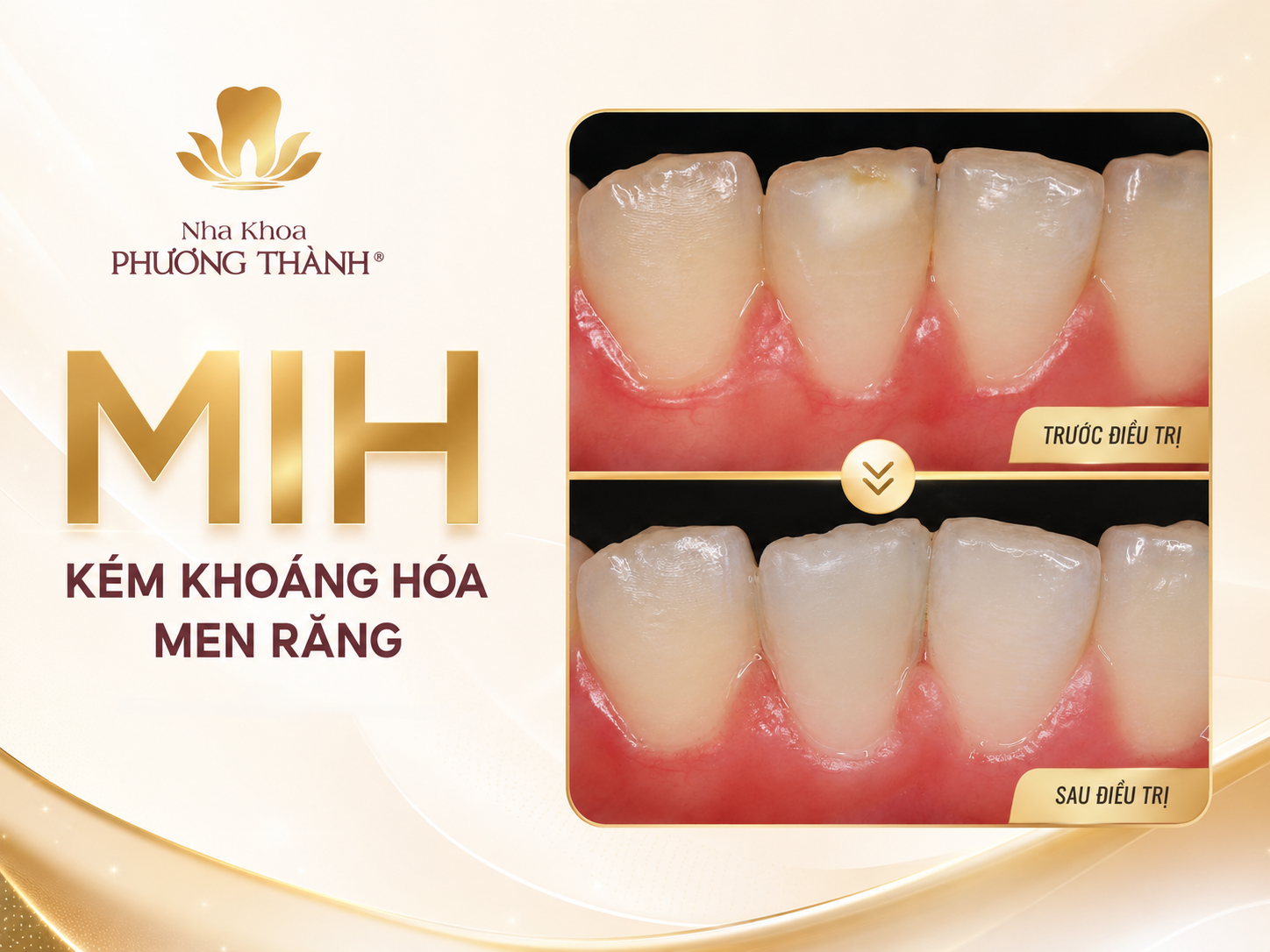
MIH (Molar Incisor Hypomineralization) is a developmental enamel defect characterized by hypomineralization, primarily affecting one or more first permanent molars and often accompanied by lesions on the permanent incisors.
Tooth enamel is the outermost protective layer of the tooth, responsible for defending against bacteria, acids, and thermal stimuli. When enamel lacks sufficient minerals, it becomes weak, fragile, and more sensitive.
This condition has been documented for decades and is now widely recognized under the term MIH (Molar Incisor Hypomineralization).
The condition may affect one or more teeth to varying degrees. Some children present with only mild white spots or discoloration, while more severe cases may involve significant enamel breakdown, causing pain and heightened sensitivity.
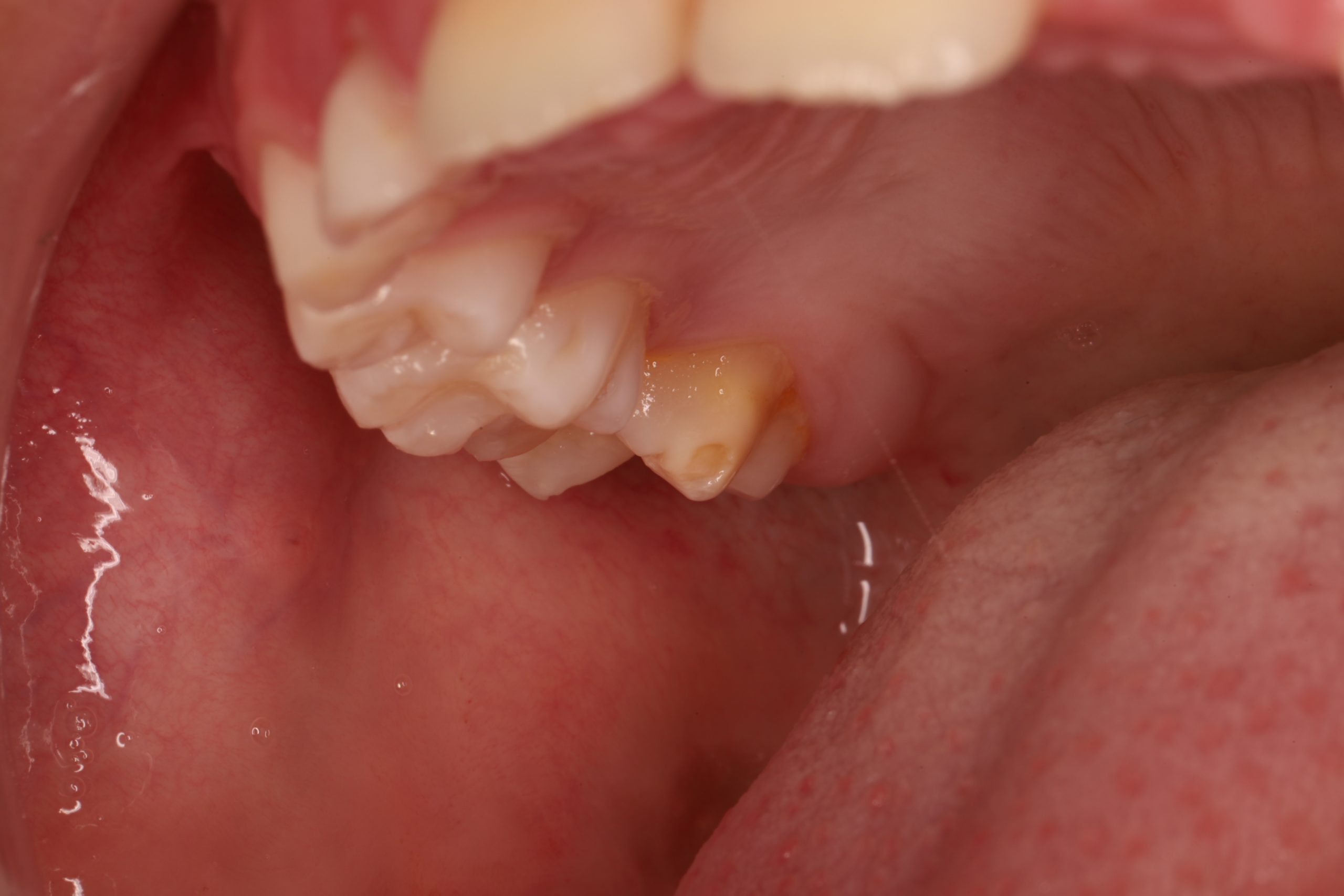
MIH on a permanent molar |
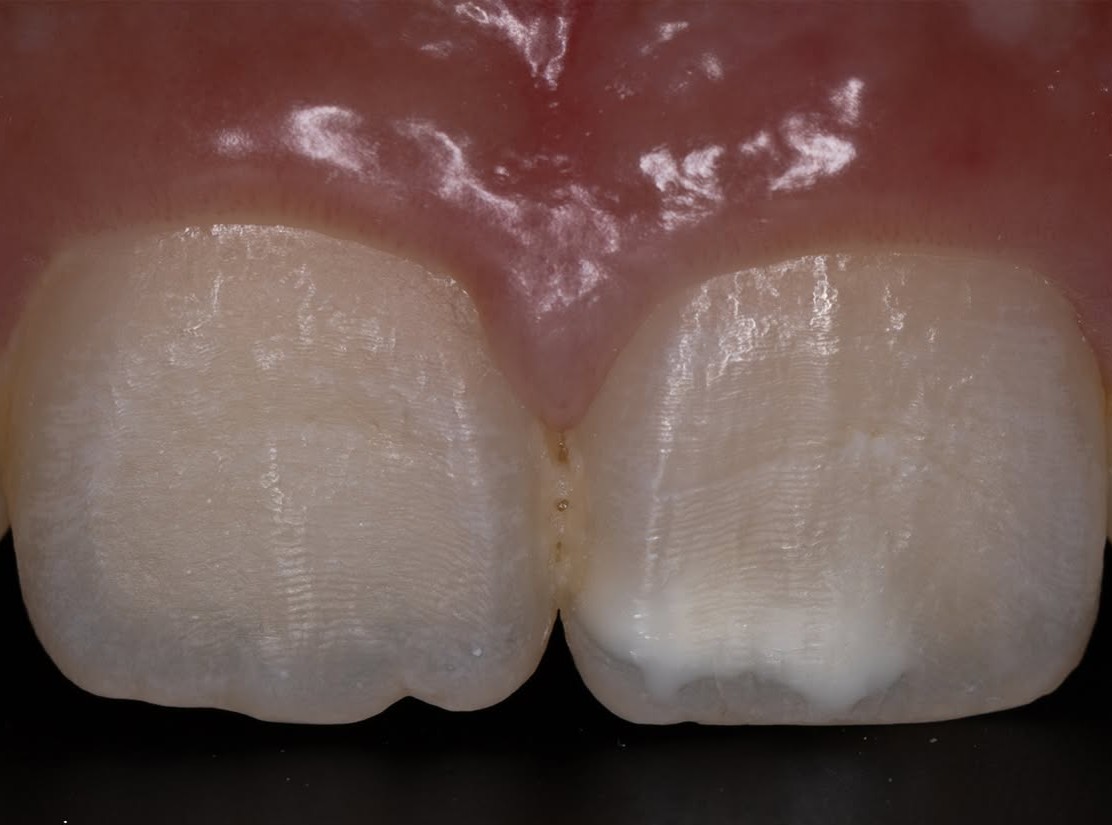
MIH on an incisor |
To date, the exact cause of MIH has not been definitively established. Multiple studies suggest it may result from an interaction between genetic factors and environmental influences during the enamel formation period.
Two widely discussed hypotheses include the impact of environmental factors during the prenatal, perinatal, and postnatal periods, as well as genetic predisposition.
Potential risk factors include maternal health issues during pregnancy (such as high fever or infections), the use of certain medications, or exposure to harmful substances during the child’s tooth development.
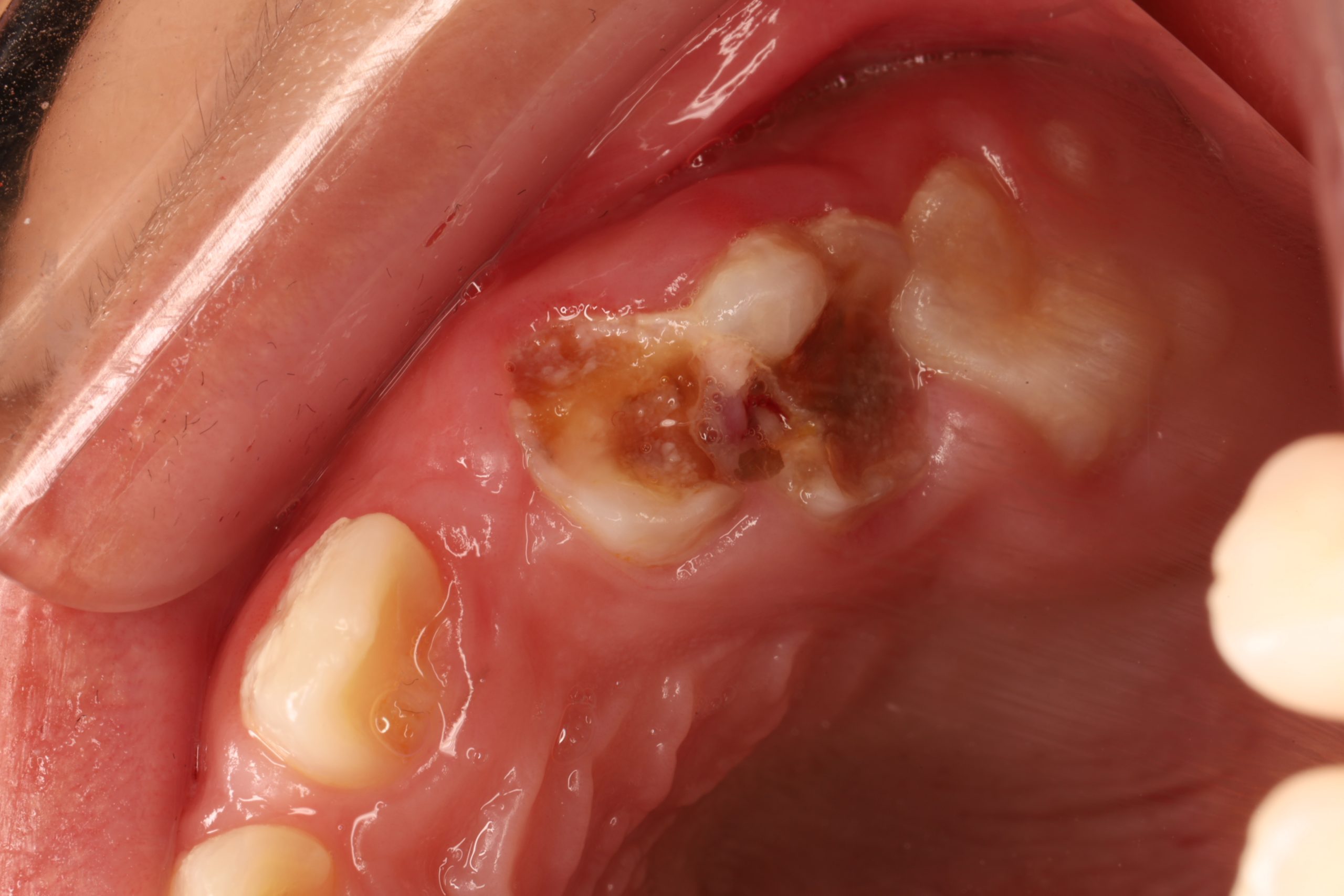
MIH on a permanent molar |
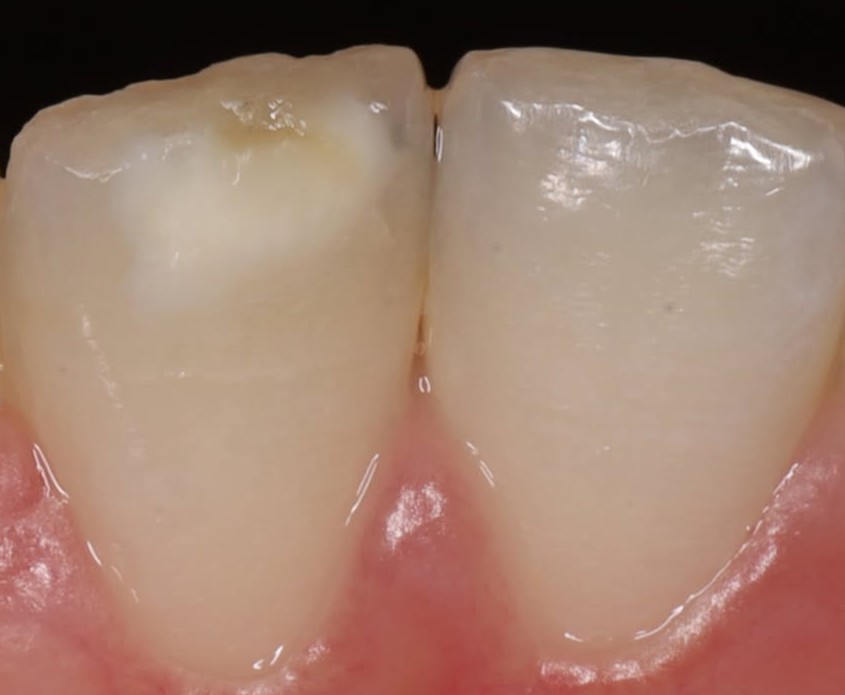
MIH on an incisor |
Lesions may appear on one or more teeth with varying severity and are typically distributed asymmetrically. Creamy white, yellow, or brown spots — known as demarcated opacities — are the hallmark sign of MIH.
These opacities can range from mild to severe. Hypomineralized enamel is prone to posteruptive enamel breakdown, which increases the risk of tooth decay and makes oral hygiene more challenging.
Children with MIH often experience sensitivity or pain when eating or brushing, making it harder to maintain proper oral hygiene.
Additionally, teeth affected by MIH tend to be more sensitive to hot, cold, or other stimuli. In severe cases, the enamel may chip or break down, creating entry points for bacteria and significantly raising the risk of tooth decay.
MIH not only impacts the aesthetics of a child’s smile but also significantly affects overall oral health. When tooth enamel is hypomineralized, the tooth structure becomes weaker than normal, making it more susceptible to wear, chipping, or damage from everyday chewing. This increases the risk of decay and makes plaque control more difficult.
Moreover, teeth affected by MIH are often highly sensitive — children may experience discomfort when consuming hot, cold, sour, or sweet foods. In some cases, prolonged sensitivity may lead children to avoid certain foods, affecting their eating habits and overall quality of life.
In more serious cases, when large areas of enamel break down or decay progresses to the dentin and pulp, the child may experience prolonged pain or pulp inflammation.
To reduce the risk of MIH, parents should prioritize their child’s oral health from the very early years of life. A healthy pregnancy plays a crucial role — expectant mothers should maintain a balanced diet, attend regular health check-ups, and minimize any conditions that may interfere with the formation of the baby’s tooth enamel.
After birth, providing a diet rich in essential nutrients — particularly calcium and vitamin D — helps support stronger tooth development. It is also important to establish daily oral hygiene habits for children, using a soft-bristled toothbrush and fluoride toothpaste in an age-appropriate concentration.
In addition, parents should schedule regular dental check-ups for their children to enable early detection of any abnormalities. Combining proper home care with professional dental monitoring is key to effectively preventing and managing MIH.
Treatment of MIH must be individualized based on the severity of the dental lesions, combining preventive and restorative approaches to protect tooth structure and improve aesthetics.
6.1. Preventive Treatment
In the early stages, reinforcing good oral hygiene and maintaining a healthy diet are essential. Children should be guided on proper brushing techniques, encouraged to limit sugary foods, and introduced to fluoride-containing products such as mouthwash, fluoride toothpaste, or fluoride varnish. Fluoride varnish is particularly recommended every 3–6 months to strengthen enamel and reduce the risk of decay. Fissure sealants are also an effective measure to protect molars from cavities.
6.2. Restorative Treatment
Depending on the extent of damage, the dentist may recommend appropriate restorative options such as:
6.3. Endodontic Treatment (Root Canal Therapy)
In cases of severe tooth damage, pulp inflammation, or persistent pain, root canal treatment may be necessary to preserve the natural tooth and avoid extraction.
6.4. Aesthetic Treatment for Anterior Teeth Using ICON DMG Technology
ICON DMG is a modern technique widely used for treating white spot lesions. It may be indicated in mild MIH cases presenting with white or discolored spots on anterior teeth to improve aesthetics.
This technique uses infiltrant resin that penetrates the enamel, helping to improve color and reduce the contrast between the affected area and healthy enamel.
Advantages of ICON DMG
Note:
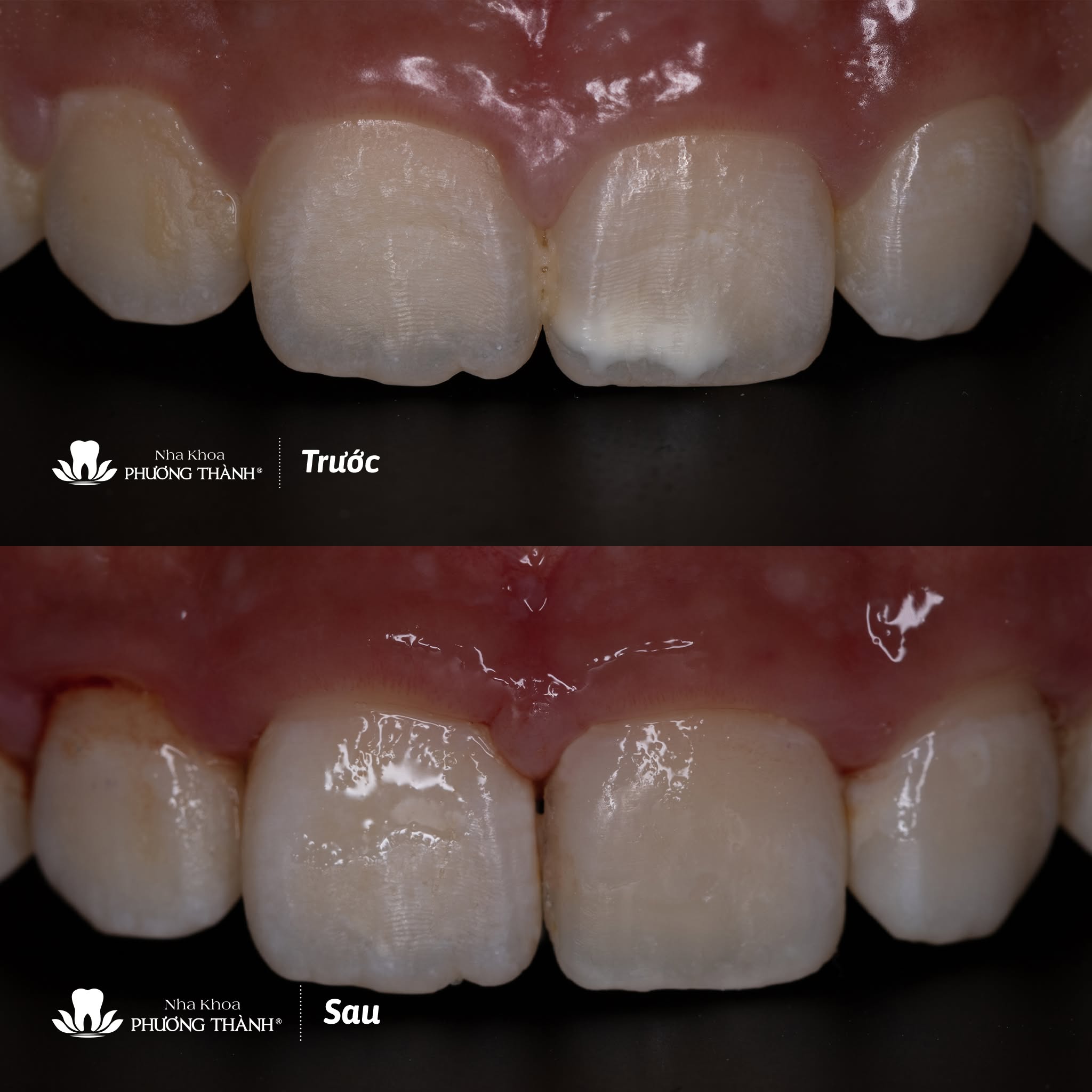 |
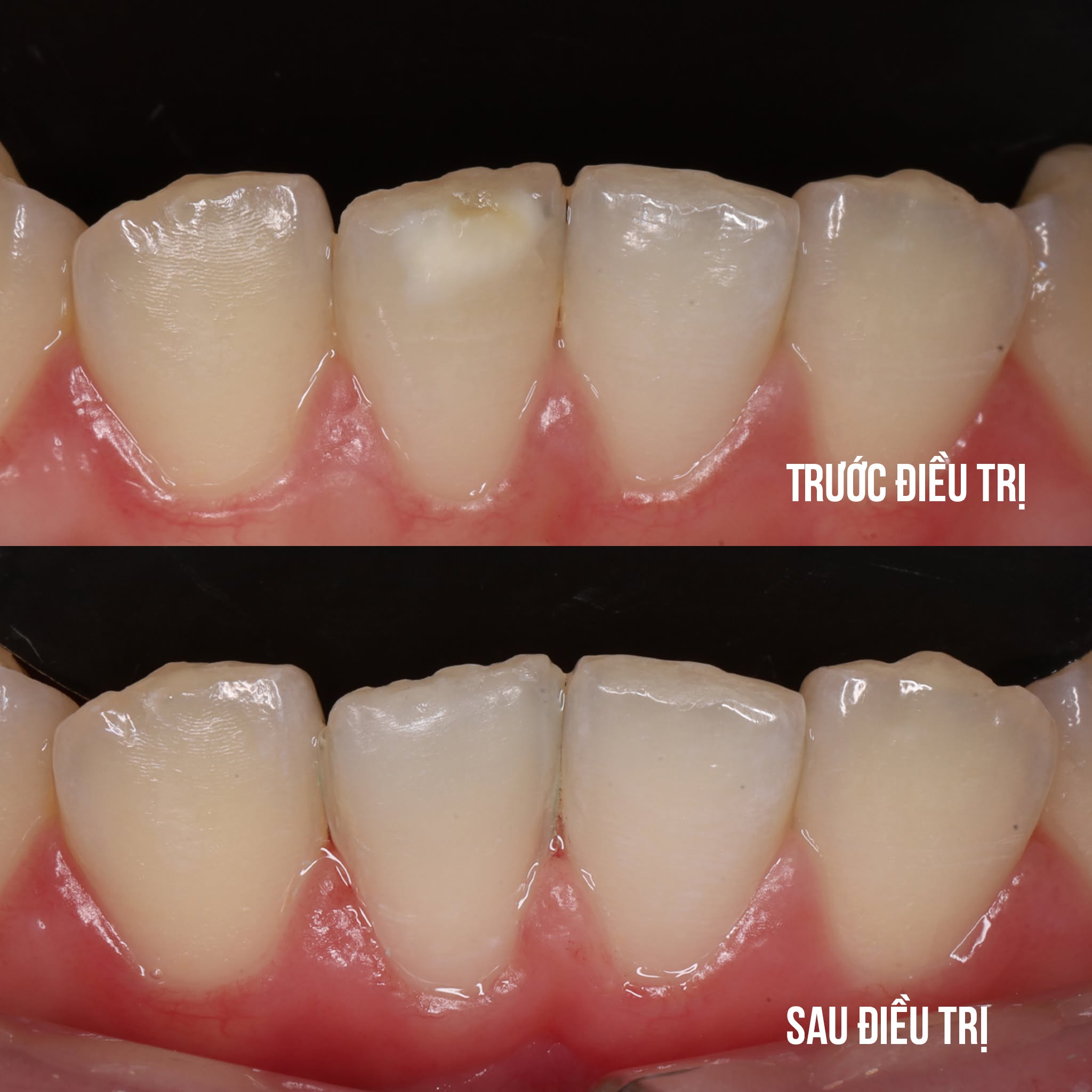 |
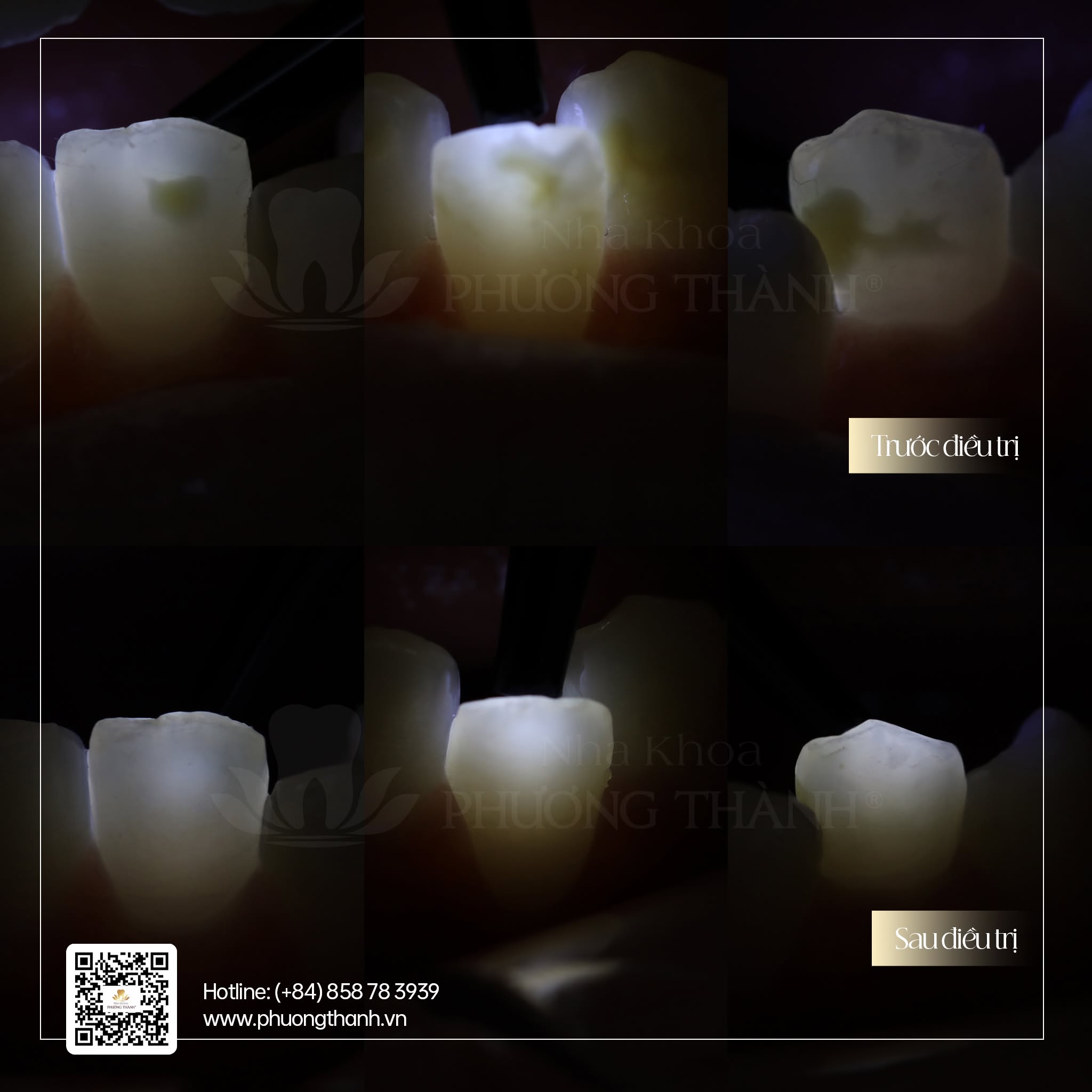 |
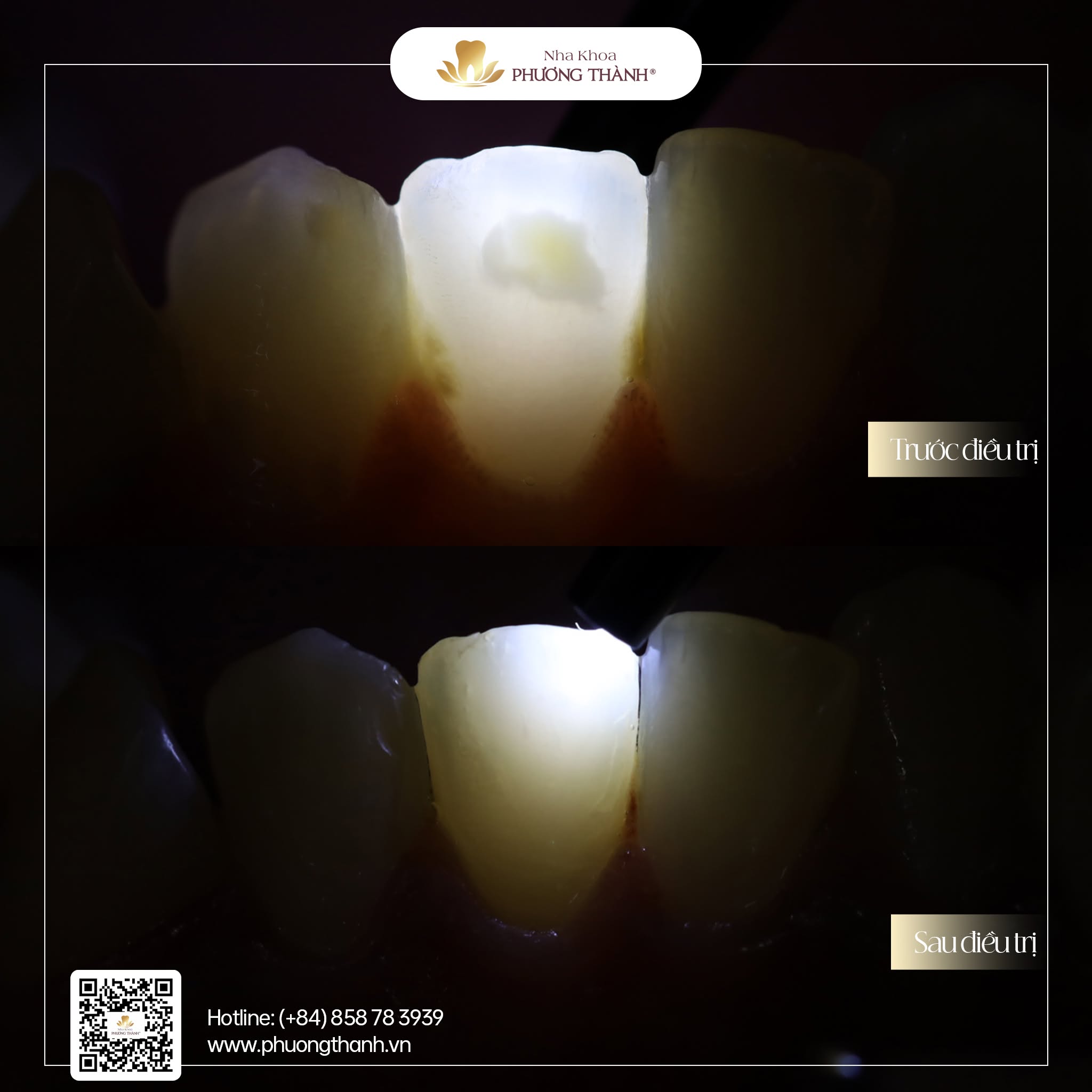 |
MIH treatment cases at Phuong Thanh Dental Clinic
MIH is a dental condition that can significantly affect a child’s appearance and self-confidence during social interactions and development. However, when detected early and treated appropriately, it can be effectively managed and improved.
At Phuong Thanh Dental Clinic, we are committed to applying modern, safe, and age-appropriate treatment methods to restore both function and aesthetics for children’s teeth. Our dedicated and experienced dental team works closely with parents throughout the entire care and treatment process, providing complete peace of mind.
Let Phuong Thanh Dental Clinic help you protect your child’s smile starting today. Contact us for a consultation and examination, and together we will build the most suitable treatment plan. With close cooperation between families and our dental professionals, your child can achieve a healthy smile and a bright, confident future.
Sa Dec Branch: 483 Hung Vuong, Cai Son Quarter, Sa Dec Ward, Dong Thap Province.
Hotline: 02773 95 6868
Cao Lanh Branch: 783 Pham Huu Lau, Cao Lanh Ward, Dong Thap Province (Dong Thap University Campus)
Hotline: 02773 95 6869
P.T.T
One of the biggest concerns for patients considering dental implants is not necessarily the implant placement itself, but: “After getting...
Dental Floss – A Small Tool with a Big Role in Oral Care Dental floss is one of the oral...
Parents should not overlook common oral health problems in children such as tooth decay, gingivitis, pulpitis, and tongue-tie. Early detection...
What Are Exogenous Chromogenic Stains on Teeth? Images of Exogenous Chromogenic Stains on Teeth Exogenous chromogenic stains on teeth are...
WORKING HOURS