
Dental Implants – Get Your Teeth Immediately, Without Disrupting Your Life
One of the biggest concerns for patients considering dental implants is not necessarily the implant placement itself, but: “After getting...
 Published: 03/05/2026
Dental Knowledge
Published: 03/05/2026
Dental Knowledge
Many parents feel concerned when their child develops an underbite because this condition can affect facial aesthetics, chewing function, and long-term oral health. With extensive experience successfully treating underbite cases in both children and adults, Phuong Thanh Dental Clinic would like to share essential information about this common malocclusion and effective treatment solutions using modern orthodontics.
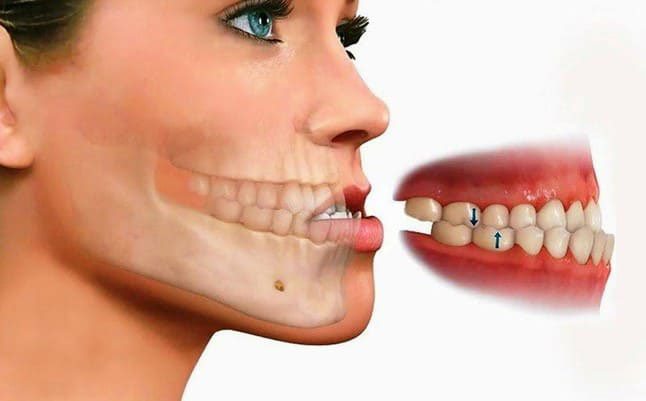
Underbite, also known as prognathism, is a type of malocclusion in which the lower jaw protrudes excessively compared to the upper jaw, causing the lower teeth to sit outside the upper teeth when biting down. This is classified as a Class III malocclusion. This condition not only affects facial appearance but can also lead to difficulties with chewing, speaking, and other oral health issues if not treated promptly.
In young children, an underbite may appear during the mixed dentition stage when baby teeth begin to be replaced. Therefore, during the period when teeth and jawbones are still developing, parents should closely monitor for abnormal signs and seek early intervention when needed.
There are two common types of underbite:
This condition occurs when the lower teeth erupt improperly, protrude outward, or erupt earlier than the upper teeth, causing the lower teeth to overlap the upper teeth while the jawbone structure itself develops normally.
This occurs when the lower jaw develops excessively or the upper jaw develops insufficiently, causing the lower jaw to protrude noticeably beyond the upper jaw.
In terms of development, the upper jaw usually completes growth around puberty at approximately 11–13 years old, while the lower jaw continues developing later, around 15–18 years old. Therefore, if orthodontic treatment is performed at the right time—especially between ages 6–11 before puberty—the ability to improve skeletal underbite can be highly effective.
Certain environmental factors during childhood may worsen an underbite. For example, mouth breathing, airway obstruction caused by enlarged adenoids, or respiratory conditions may make it difficult for children to breathe through the nose, forcing them to breathe through the mouth regularly. This can negatively affect upper jaw development and cause it to grow insufficiently.
Additionally, incorrect tongue posture or tongue thrusting habits may also cause the lower jaw to develop more strongly than the upper jaw, increasing the risk of underbite.
Tooth structure, jawbone growth, and tooth eruption patterns are strongly influenced by genetics. Therefore, children may inherit dental irregularities such as crowded teeth, misaligned teeth, a short upper jaw, an overdeveloped lower jaw, or skeletal underbite conditions from family members.
In addition, certain genetic syndromes may also be associated with underbite, such as Rabson-Mendenhall syndrome, severe Binder syndrome, Treacher Collins syndrome, acromegaly, and other developmental disorders.
Jaw fractures that are not properly treated, surgically corrected, or cared for during recovery may also lead to malocclusion, including underbite.
If not detected early and treated properly, an underbite may cause many concerning effects in children:
The misalignment between the upper and lower jaws creates an improper bite, reducing the ability to bite and chew food effectively. Children may experience difficulty eating, chewing, and swallowing, and may become less interested in food. Long-term chewing with an incorrect bite can also increase pressure on the jaw arch, worsening the condition, causing jaw pain, and affecting digestion.
An underbite causes the chin to protrude forward, making the face appear less harmonious from the side profile. In addition, the protruding lower jaw and crooked or uneven teeth may alter the shape of the mouth, making the face appear longer and reducing self-confidence during communication.
The coordination between the mouth, tongue, and jaws plays an important role in speech. When the upper and lower jaws are imbalanced, children may have difficulty speaking, produce unclear sounds, or experience distorted pronunciation. Some cases may also involve lisps, stuttering, or less fluent communication.
Due to these unwanted effects, underbite should be treated as early as possible. In particular, the period from 6–12 years old is considered the “golden age” for effectively treating underbite and jawbone discrepancies in children.
During this stage, parents should bring their children to a reputable dental clinic specializing in pediatric orthodontics. After examining the teeth and jaw structure, the orthodontist will assess the severity of the condition and create an appropriate treatment plan.
Depending on age and severity, children aged 6–12 years old may be instructed to use orthopedic appliances such as Facemask appliances, while children aged 13 years and older may consider more advanced orthodontic methods such as the MEAW archwire technique to effectively improve underbite.
This is one of the most concerning consequences of underbite. When the bite is misaligned, oral hygiene often becomes less effective because the toothbrush cannot properly clean crowded, crooked, or hard-to-reach areas between teeth and around tooth roots. This creates favorable conditions for bacteria to accumulate and grow, increasing the risk of gingivitis, tooth decay, periodontitis, bad breath, and other oral health problems.
If left untreated, underbite may lead to temporomandibular joint (TMJ) disorders with symptoms such as headaches, pain or discomfort when opening and closing the mouth, chewing difficulties, communication discomfort, and persistent pain. These problems may interfere with daily activities, make eating uncomfortable, and significantly affect overall health.
Today, many underbite cases can be effectively improved through orthodontic and jaw orthopedic treatments. However, there are still inappropriate treatment recommendations in some cases, such as placing porcelain crowns for underbite correction. If patients do not fully understand safe treatment methods and choose porcelain crowns incorrectly, the underbite may not improve and the natural tooth structure may even be damaged. In most cases, orthodontic treatment for underbite remains the optimal solution with many outstanding benefits:
 |
 |
Through the force generated by specialized orthodontic appliances, teeth and bite alignment gradually move into proper positions. As a result, the underbite improves, helping create straighter teeth and a more balanced bite.
When the two jaws are brought into a balanced relationship, the smile becomes more harmonious and the face appears more symmetrical. Straight teeth also make oral hygiene easier, reducing plaque buildup and lowering the risk of dental diseases. A proper bite additionally helps reduce stress on the temporomandibular joint.
Braces use appropriate force to gradually move teeth without the need for tooth reduction as required in some cosmetic procedures. Therefore, the natural tooth structure is preserved as much as possible while maintaining proper chewing function.
After completing orthodontic treatment, if patients follow their dentist’s instructions—such as wearing retainers properly and attending regular checkups—the results can remain stable for many years. Choosing a reputable dental clinic with experienced orthodontists also helps improve treatment effectiveness and minimize risks.
Yes. Underbite has a strong hereditary component. If family members have this condition, children are also at higher risk of developing it. Many cases are related to inherited jawbone structure and tooth positioning. In addition, environmental factors such as thumb sucking, tongue thrusting, prolonged pacifier use, or abnormalities during jaw development may also contribute to underbite.
Yes. Underbite can often be effectively treated with braces. This method helps move the teeth and bite into proper alignment, especially when treated early while the teeth and jawbones are still developing.
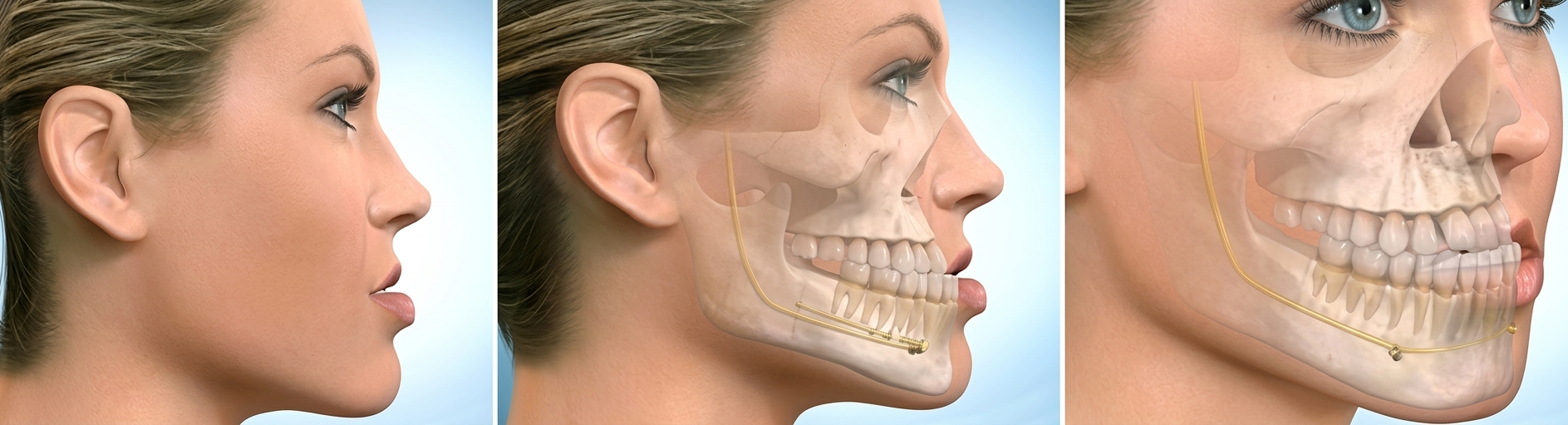
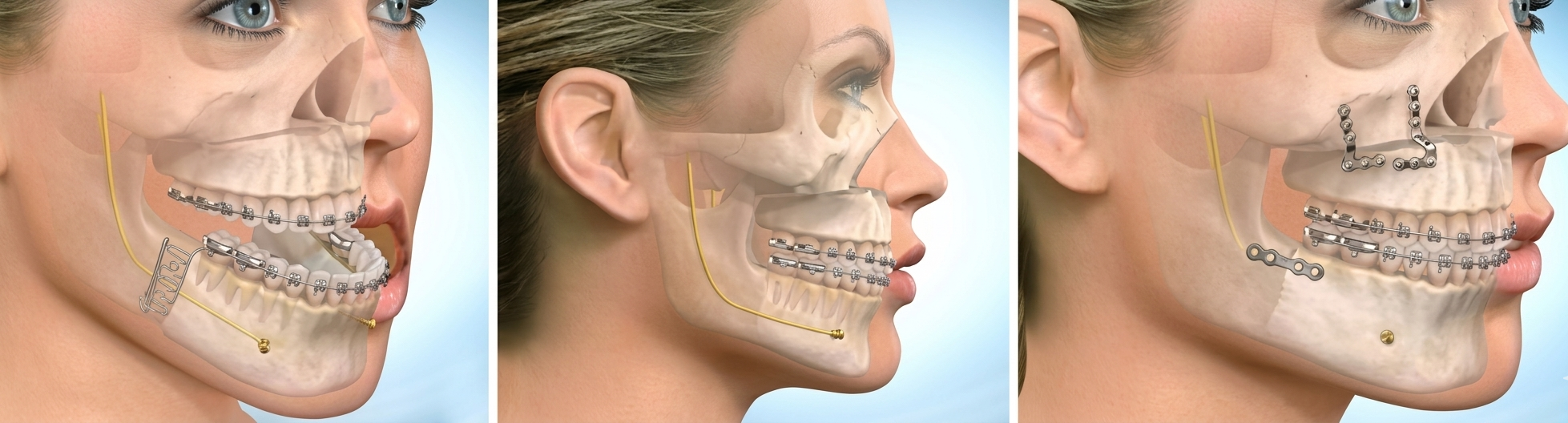
Underbite surgery is a treatment option for severe skeletal discrepancies. Like other surgical procedures, it may involve certain risks such as infection, swelling, nerve damage, jaw joint discomfort, or recurrence. However, when performed by highly qualified surgeons at accredited facilities and following proper procedures, surgery can significantly improve chewing, speech, and facial aesthetics.
One of the biggest concerns for patients considering dental implants is not necessarily the implant placement itself, but: “After getting...
Dental Floss – A Small Tool with a Big Role in Oral Care Dental floss is one of the oral...
Parents should not overlook common oral health problems in children such as tooth decay, gingivitis, pulpitis, and tongue-tie. Early detection...
What Are Exogenous Chromogenic Stains on Teeth? Images of Exogenous Chromogenic Stains on Teeth Exogenous chromogenic stains on teeth are...
WORKING HOURS