

Dental Implants – Get Your Teeth Immediately, Without Disrupting Your Life
One of the biggest concerns for patients considering dental implants is not necessarily the implant placement itself, but: “After getting...
 Published: 03/05/2026
Dental Knowledge
Published: 03/05/2026
Dental Knowledge
Types of malocclusion commonly occur when the relationship between the upper and lower teeth is misaligned, causing the two jaws not to fit together properly when the mouth is closed. In addition, teeth on both dental arches may grow crowded, crooked, or unevenly aligned. If prolonged, this condition not only affects aesthetics but also reduces chewing ability and causes difficulties in pronunciation. So, what are the common types of malocclusion and how are they treated?
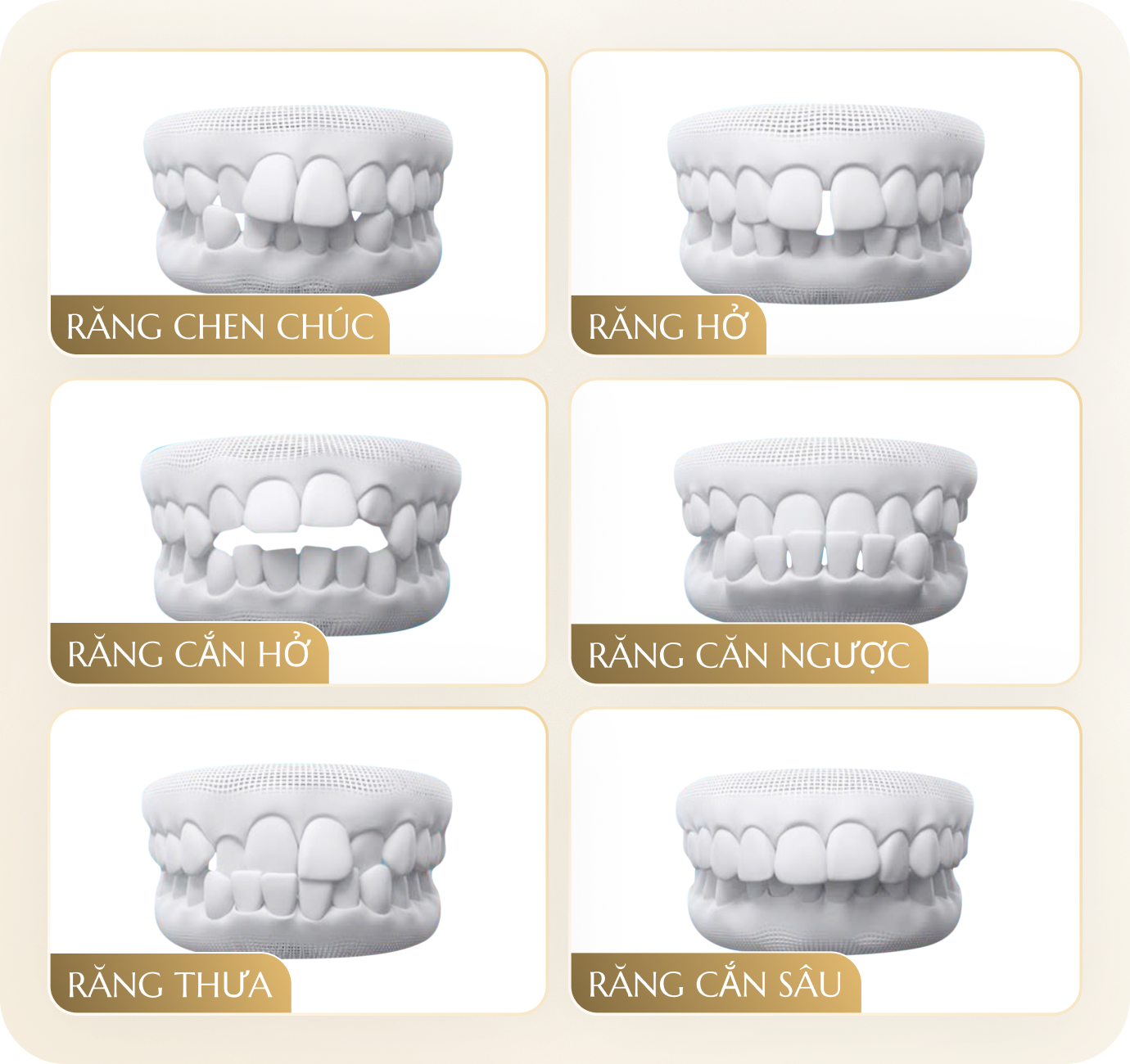
Malocclusion is a condition in which the normal relationship between the upper and lower jaws becomes imbalanced. The cause may come from teeth growing in the wrong position or jaw bones developing excessively or asymmetrically. This condition can range from mild to complex. Whether mild or severe, malocclusion significantly affects aesthetics, psychology, chewing function, and daily oral hygiene. Therefore, experts always recommend early treatment to achieve optimal results.
Malocclusion is a condition in which the upper and lower teeth do not align properly when biting together. Patients may recognize it through signs such as biting the cheeks or tongue, crooked teeth, protruding teeth, underbite, open bite, jaw fatigue, temporomandibular joint pain, unclear speech, or difficulty closing the mouth.
Signs of Malocclusion
Causes of Malocclusion
Malocclusion can result from many different causes, with the most common being genetics and bad habits formed during childhood.
In dentistry, malocclusion is divided into different types depending on the cause and severity of misalignment. However, the six most common types are listed below:
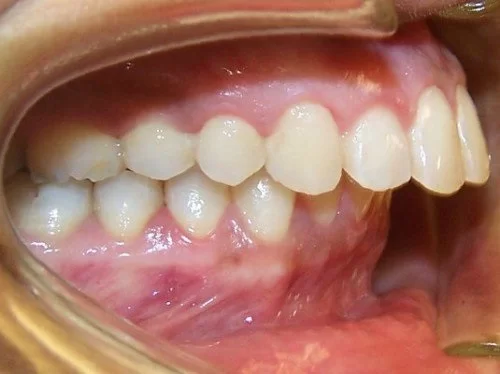
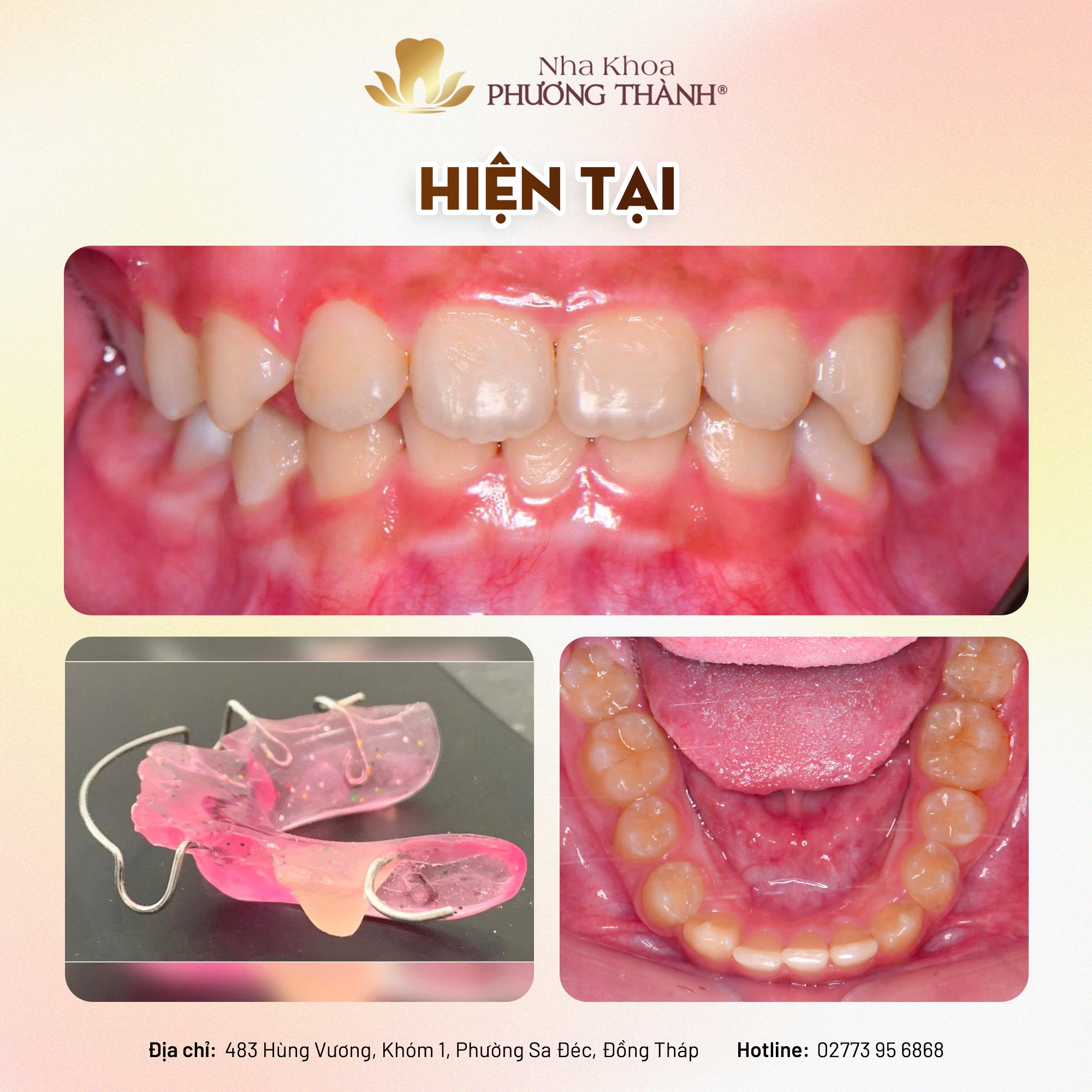
A deep bite occurs when the upper teeth excessively overlap the lower teeth when the mouth is closed. In severe cases, the lower teeth may touch the inner gum tissue of the upper jaw.
This condition is often caused by inwardly tilted lower teeth or excessive development of the upper jaw. If not treated early, a deep bite can cause tooth wear, jaw joint pain, and impaired chewing function.
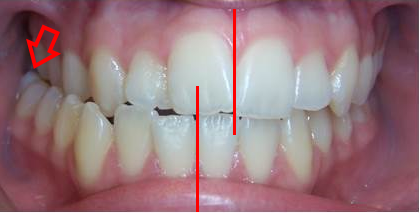
A crossbite is a condition in which one or more upper teeth are positioned abnormally inside or outside relative to the lower teeth. Teeth may grow crooked, crowded, and disrupt the relationship between the two jaws.
This type of malocclusion sometimes does not clearly show on the face, making it difficult to detect by simply looking straight on.
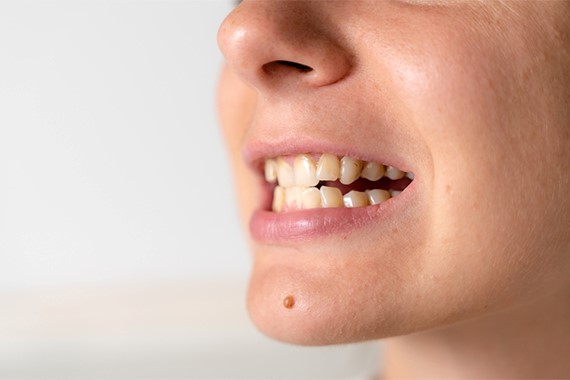
An edge-to-edge bite occurs when the upper and lower front teeth directly contact each other at the biting edges. This condition can be difficult to recognize and is often mistaken for a normal bite.
However, upon close observation, the edges of the front teeth touch directly instead of having the slight overlap seen in a normal bite.
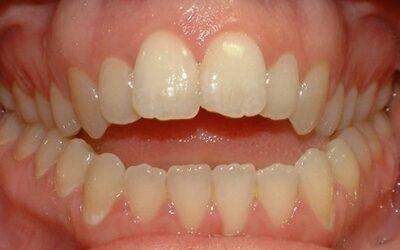
An open bite occurs when the upper and lower front teeth do not touch even when biting tightly. A gap appears between the two jaws, and sometimes the tongue can be seen even when the mouth is closed.
The cause is often related to bad childhood habits such as thumb sucking, tongue thrusting, nail biting, or prolonged pacifier use.
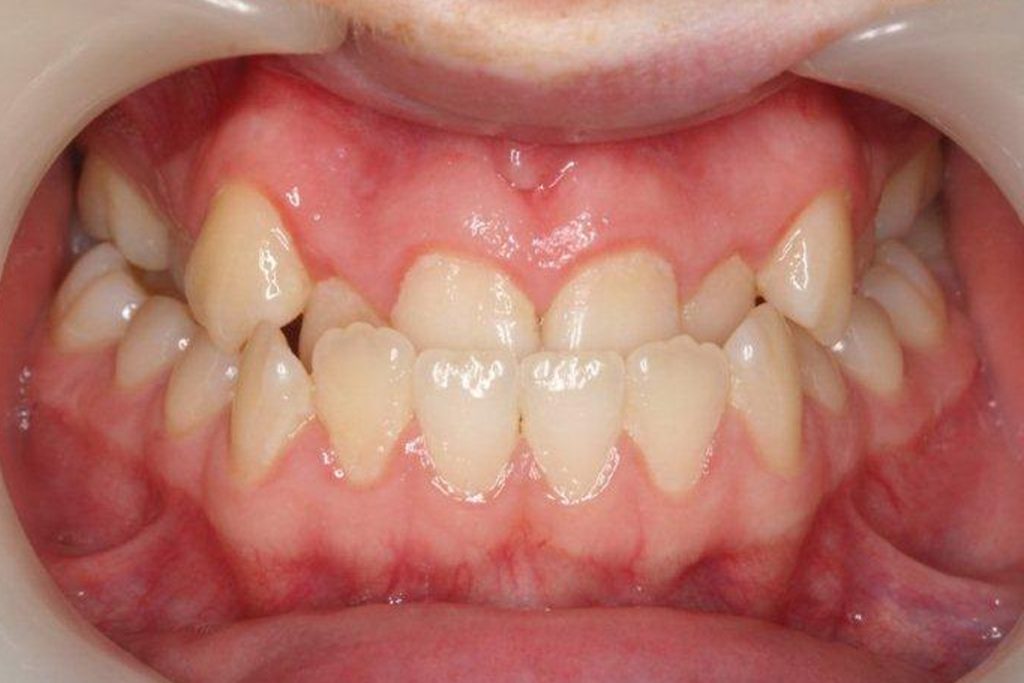
An underbite is a Class III malocclusion in which the lower jaw develops more prominently and extends beyond the upper jaw when biting. People with an underbite often have facial imbalance and a noticeably protruding chin.
The primary causes are related to jawbone structure or tooth position. This condition not only affects appearance but also reduces chewing efficiency and speech clarity.
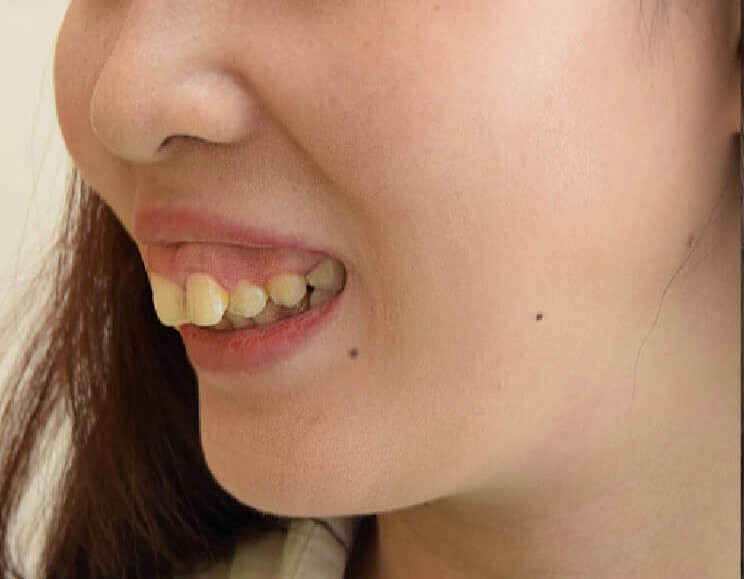
This is a Class II malocclusion that occurs when the upper jaw or upper teeth develop excessively and protrude forward compared to the lower jaw. From a side view, the face often appears imbalanced, the lips are difficult to close, and the smile looks less harmonious.
The causes may include crooked teeth, excessive upper jaw development, or a combination of both. This condition affects aesthetics, chewing, speech, and makes oral hygiene more difficult.
Malocclusion can cause many serious effects on aesthetics, chewing function, and oral health. In addition, this condition can significantly impact mental well-being, causing many people to lose confidence in communication.
Malocclusion may also cause lisping, unclear pronunciation, and communication difficulties in daily life.
The most effective treatment for malocclusion depends on the cause and severity of each case. If the problem is caused by teeth alignment, orthodontic treatment is usually the most common option. In cases related to jawbone structure, surgery may provide better results. Details are as follows:
Braces (Orthodontics): This is the most commonly used method for crowded teeth, protruding teeth, underbite, open bite, or crossbite caused by improper tooth positioning. Braces help move teeth into the correct position, improving bite alignment and aesthetics. Treatment time usually lasts from 6 months to 2–3 years depending on the complexity.
Jaw Surgery: This solution is suitable for severe malocclusion caused by abnormal jawbone development, genetics, or trauma. When braces alone cannot completely correct the issue, surgery helps effectively adjust the relationship between the two jaws.
Combination of Braces and Surgery: Indicated in complex cases where patients have both tooth alignment issues and jawbone structural abnormalities. This combination helps achieve optimal results in both chewing function and aesthetics.
Porcelain Crowns: Usually applied for mild malocclusion cases to quickly improve tooth shape and aesthetics. However, this method should only be performed after careful examination and consultation with a dentist.
 |
 |
Malocclusion not only affects facial aesthetics but also causes difficulties in chewing, pronunciation, and increases the risk of oral diseases. Early treatment helps improve jaw function, reposition teeth properly, and create a more harmonious smile.
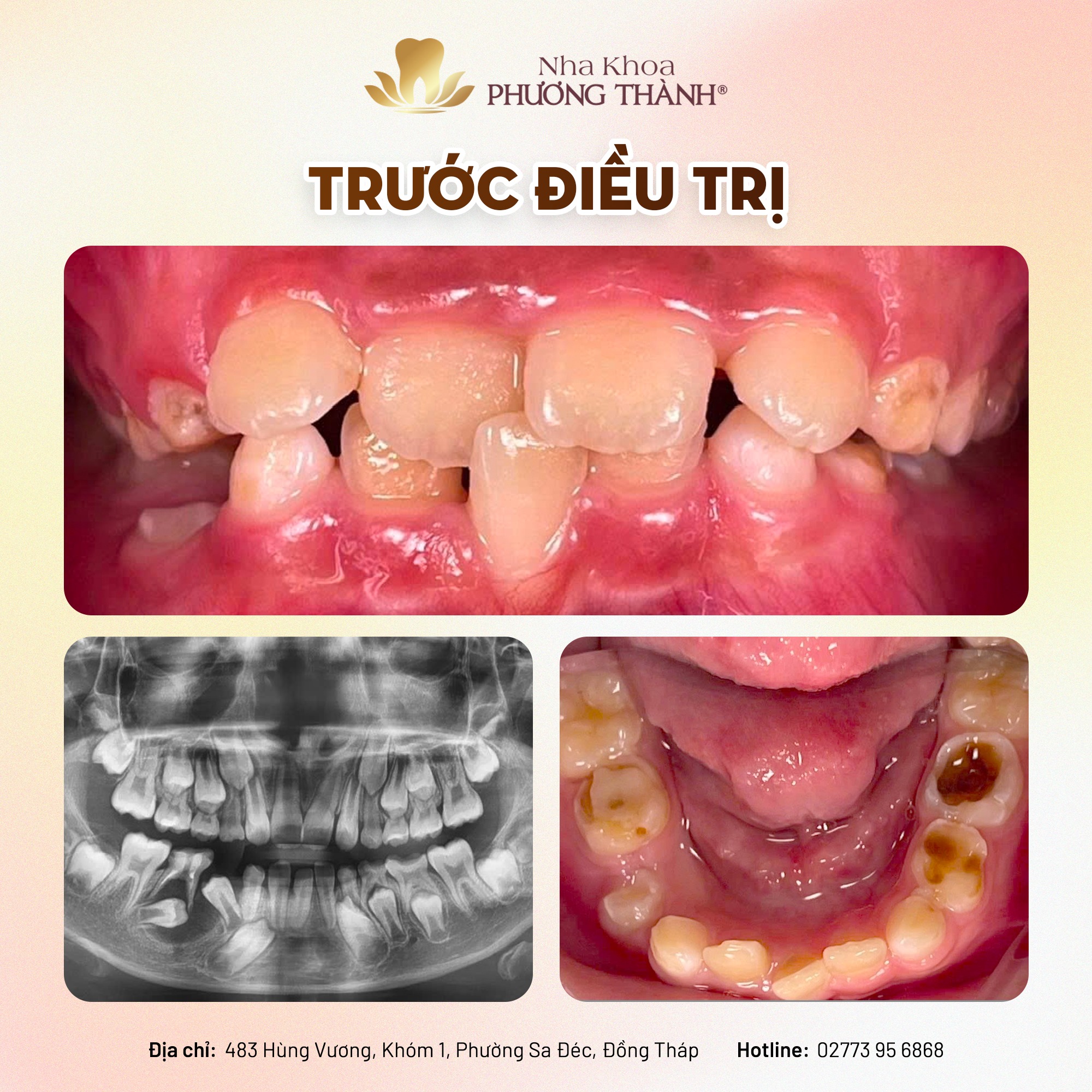
At Phuong Thanh Dental Clinic, patients with malocclusion are directly examined by dentists, undergo X-rays, and receive detailed evaluations to build a suitable treatment plan. Depending on the severity, dentists may recommend traditional braces or clear aligners to achieve proper bite alignment, improve aesthetics, and restore chewing function.
With a team of experienced dentists and a modern equipment system, Phuong Thanh Dental Clinic always closely monitors treatment progress, helping patients feel secure throughout the orthodontic journey. Timely malocclusion treatment not only improves the smile but also contributes to long-term oral health protection.
PHUONG THANH DENTAL CENTER
Sa Dec Branch: 483 Hung Vuong Street, Cai Son Hamlet, Sa Dec Ward, Dong Thap Province.
Hotline: 02773 95 6868
Cao Lanh Branch: 783 Pham Huu Lau Street, Cao Lanh Ward, Dong Thap Province (Dong Thap University Campus)
Hotline: 02773 95 6869
P.T.T
One of the biggest concerns for patients considering dental implants is not necessarily the implant placement itself, but: “After getting...
Dental Floss – A Small Tool with a Big Role in Oral Care Dental floss is one of the oral...
Parents should not overlook common oral health problems in children such as tooth decay, gingivitis, pulpitis, and tongue-tie. Early detection...
What Are Exogenous Chromogenic Stains on Teeth? Images of Exogenous Chromogenic Stains on Teeth Exogenous chromogenic stains on teeth are...
WORKING HOURS