




Dental Implants – Get Your Teeth Immediately, Without Disrupting Your Life
One of the biggest concerns for patients considering dental implants is not necessarily the implant placement itself, but: “After getting...
 Published: 09/06/2026
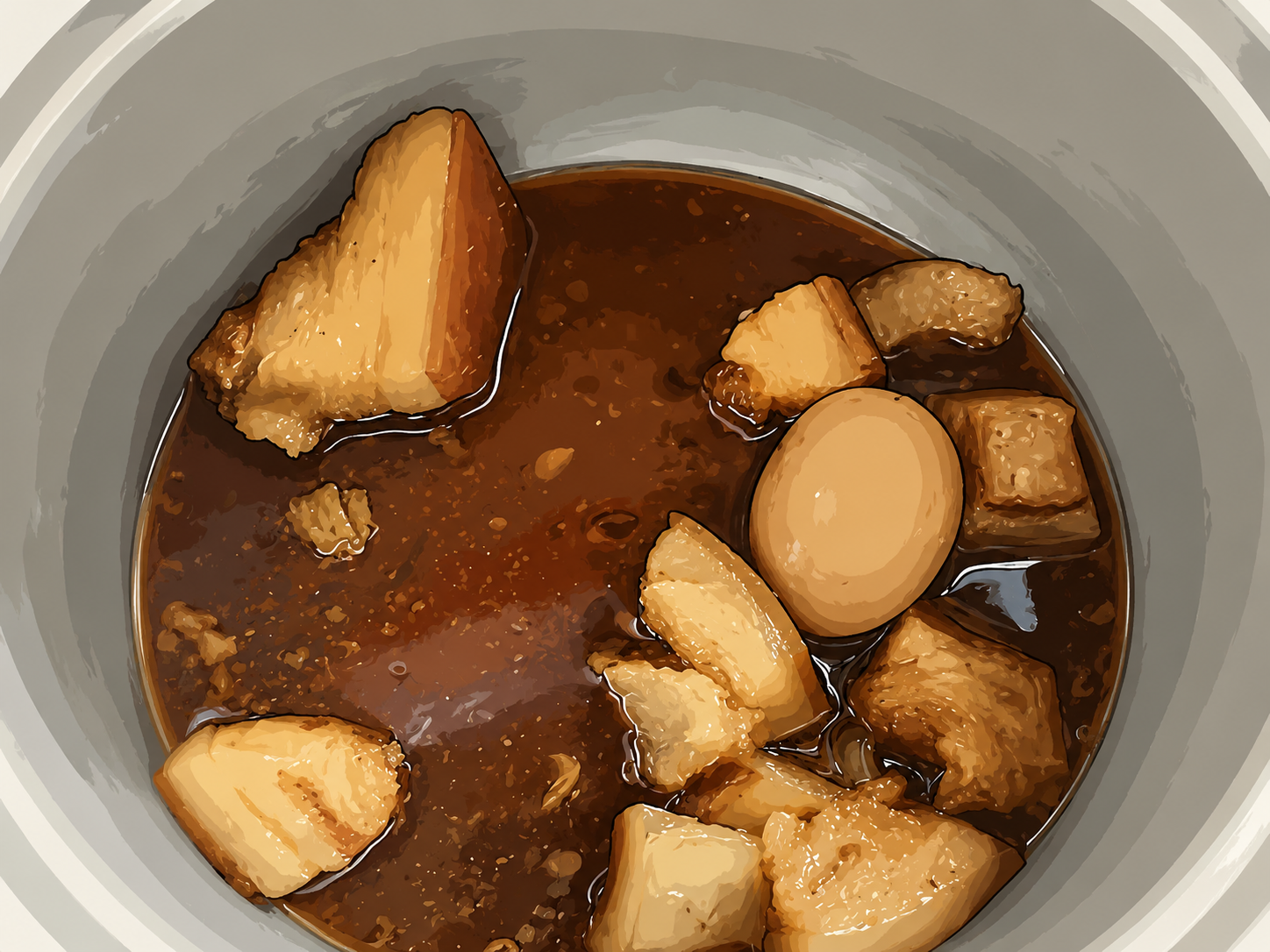
People often say: “Look at how someone earns money to understand their capability. Look at how they spend money to understand their mindset. And look at how they eat to understand their upbringing.”
Food is not merely about satisfying hunger. It is where respect for others, social grace, and the depth of a person’s culture are most clearly revealed.
At the dining table, a well-mannered person is not someone who eats little or eats a lot, but someone who thinks of others before thinking of themselves. Young people approaching the table are usually not the first to sit down. They observe whether the elders have already taken their seats. They take the initiative to prepare bowls, chopsticks, spoons, and napkins. They pour tea and water. They arrange seats for elders, honored guests, or those arriving later. No one assigns these tasks, no one reminds them, yet they know what to do. That is maturity.
During a meal, cultured individuals do not rush to take the best dishes for themselves. They look around the table: Have the elders eaten yet? Can guests from farther away reach the dish? Is there enough food for everyone? A well-timed gesture of serving someone else can sometimes be more valuable than the finest words.
The old saying goes: “Watch the pot while eating, watch your surroundings while sitting.” This is not about being frugal; it is about understanding where you are, who you are dining with, and how you should behave. Some people begin serving themselves repeatedly the moment a dish arrives, focusing only on what they like without noticing others or caring whether everyone has been served. They may not be bad people, but they certainly lack refinement.
A meal is also a place where observation skills are revealed. People with depth and wisdom usually eat calmly. They do not stare at their phones, speak too loudly, interrupt others, or turn the dining table into a place for arguments and competition. They listen more than they speak and observe more than they show off. They understand that a meal is not only for eating but also for building connections.
Many great opportunities in life come not from meeting rooms but from dining tables. Many important relationships are formed not through contracts but through the way people treat one another during a meal.
Successful leaders often pay close attention to this. They do not only observe how employees work but also how they eat, how they treat service staff, how they show respect to elders, and how they care for those sitting beside them. The smallest actions often reveal the truest character.
A person who serves food to the elderly, invites guests to eat first, notices those sitting farther away, and thanks the people who serve them is often someone who also thinks of others in the workplace. In contrast, those who focus only on themselves rarely become leaders who earn genuine respect and affection from their teams.
A small piece of food carries the weight of an entire education. A family may not be wealthy, but if they teach their children to invite others to eat, offer the best portions to their grandparents, prepare utensils for guests, and thank the person who cooked the meal, they have already given their children an invaluable asset. That asset is character.
Wherever life takes you, whatever profession you choose, and whoever you meet, people may forget what dishes you ate, but they will always remember how you treated everyone around the dining table. In the end, true class is not determined by whether the meal is luxurious or modest, but by how a person behaves at that table.
Sa Dec Headquarters: 483 Hung Vuong Street, Cai Son Hamlet, Sa Dec Ward, Dong Thap Province.
Hotline: 02773 95 6868
Cao Lanh Headquarters: 783 Pham Huu Lau Street, Cao Lanh Ward, Dong Thap Province (Within the Dong Thap University Campus)
Hotline: 02773 95 6869
P.T.T
One of the biggest concerns for patients considering dental implants is not necessarily the implant placement itself, but: “After getting...

Many people still think that brushing twice a day is enough to protect oral health. However, according to Dr. Ghousia...

Dental Floss – A Small Tool with a Big Role in Oral Care Dental floss is one of the oral...

Parents should not overlook common oral health problems in children such as tooth decay, gingivitis, pulpitis, and tongue-tie. Early detection...
WORKING HOURS