




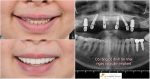
Dental Implants – Get Your Teeth Immediately, Without Disrupting Your Life
One of the biggest concerns for patients considering dental implants is not necessarily the implant placement itself, but: “After getting...
 Published: 06/07/2026
Dental Knowledge
Published: 06/07/2026
Dental Knowledge
Parents should not overlook common oral health problems in children such as tooth decay, gingivitis, pulpitis, and tongue-tie. Early detection and proper care help protect your child’s healthy smile.
Oral health is one of the key factors that directly affects a child’s overall growth and development. However, in reality, many parents still do not pay enough attention to regular dental care and checkups for their children. Most dental problems are only discovered after children begin experiencing tooth pain, loss of appetite, irritability, or difficulty with daily activities.
Regular dental checkups not only help detect potential problems early but also make treatment simpler, more comfortable, and far more cost-effective.
 |
|
 |
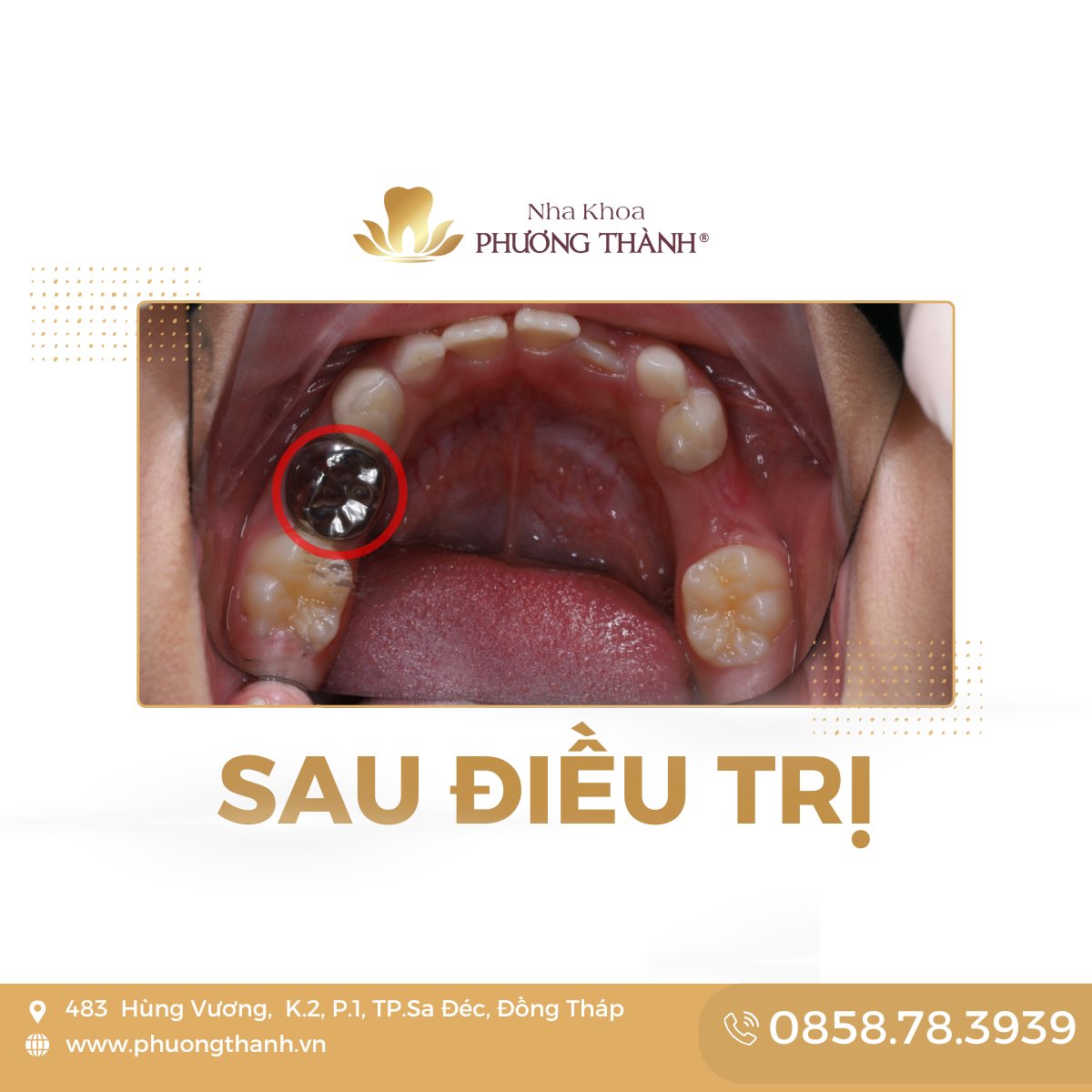 |
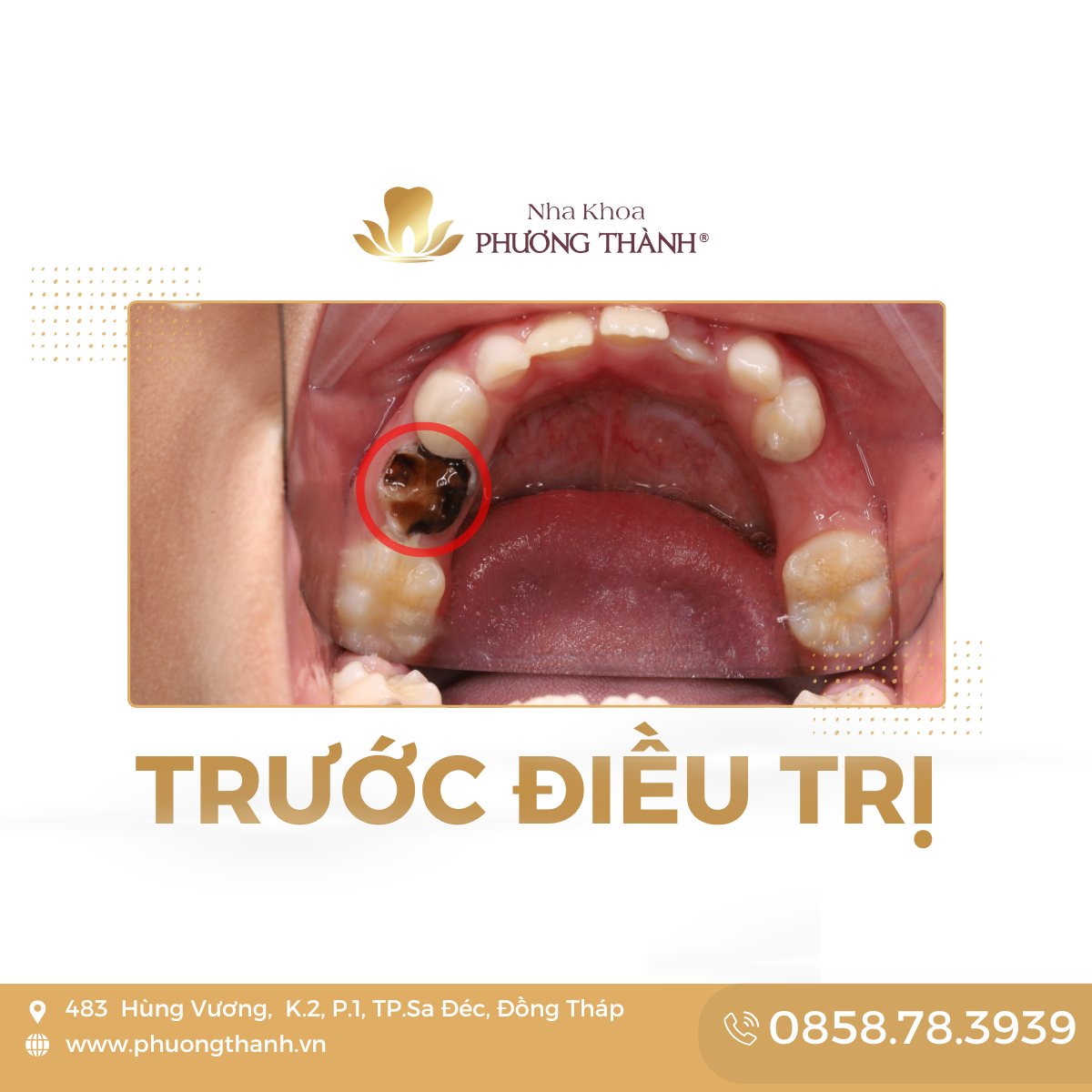
Tooth decay is one of the most common oral diseases in young children. It is mainly caused by poor eating habits and inadequate oral hygiene, such as consuming excessive sweets, drinking milk before bedtime without cleaning the teeth afterward, or brushing incorrectly.
Children with tooth decay often experience toothache, sensitivity, and discomfort while eating or drinking. If left untreated, cavities can progress to pulp inflammation and may affect the development of permanent teeth.
 |
|
 |
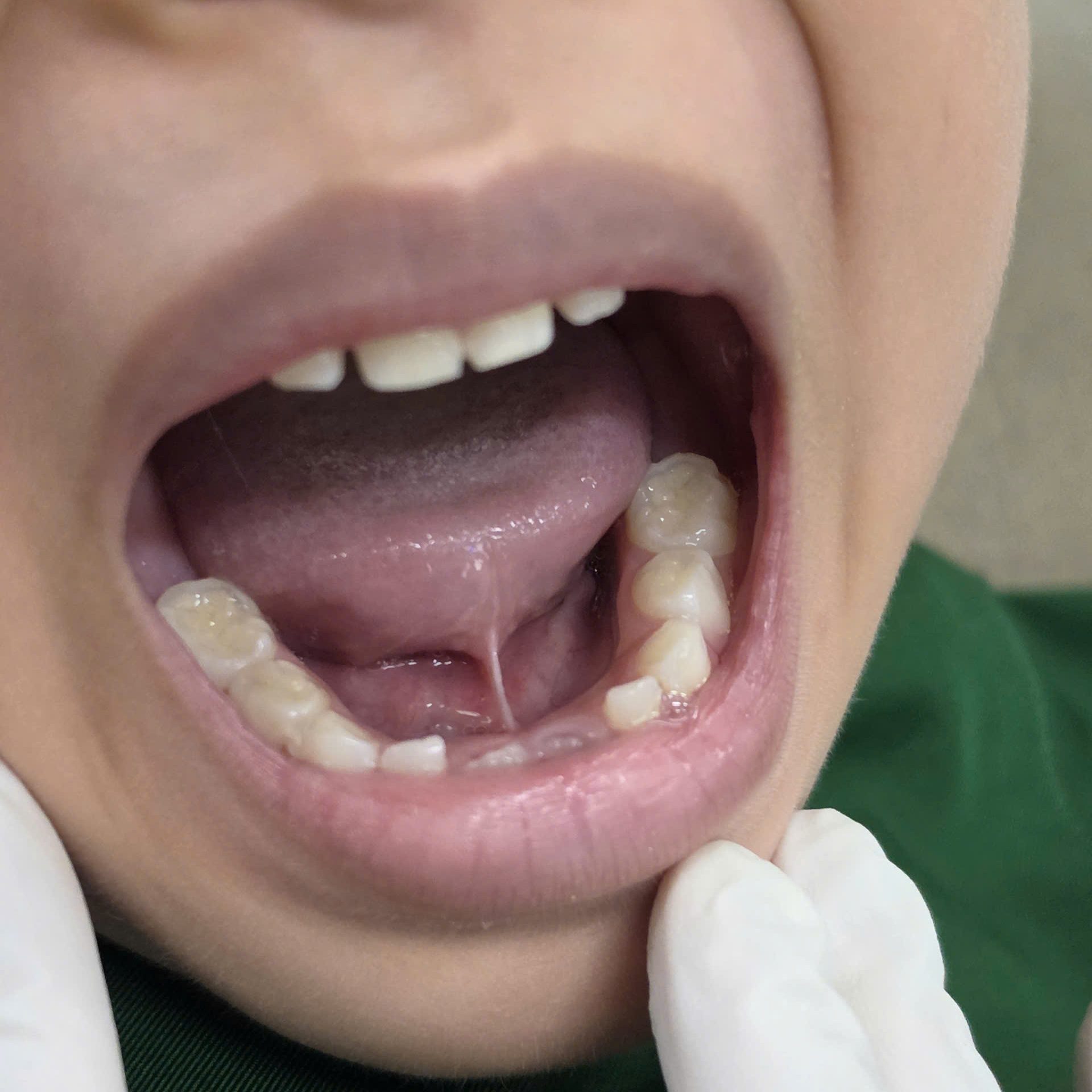 |
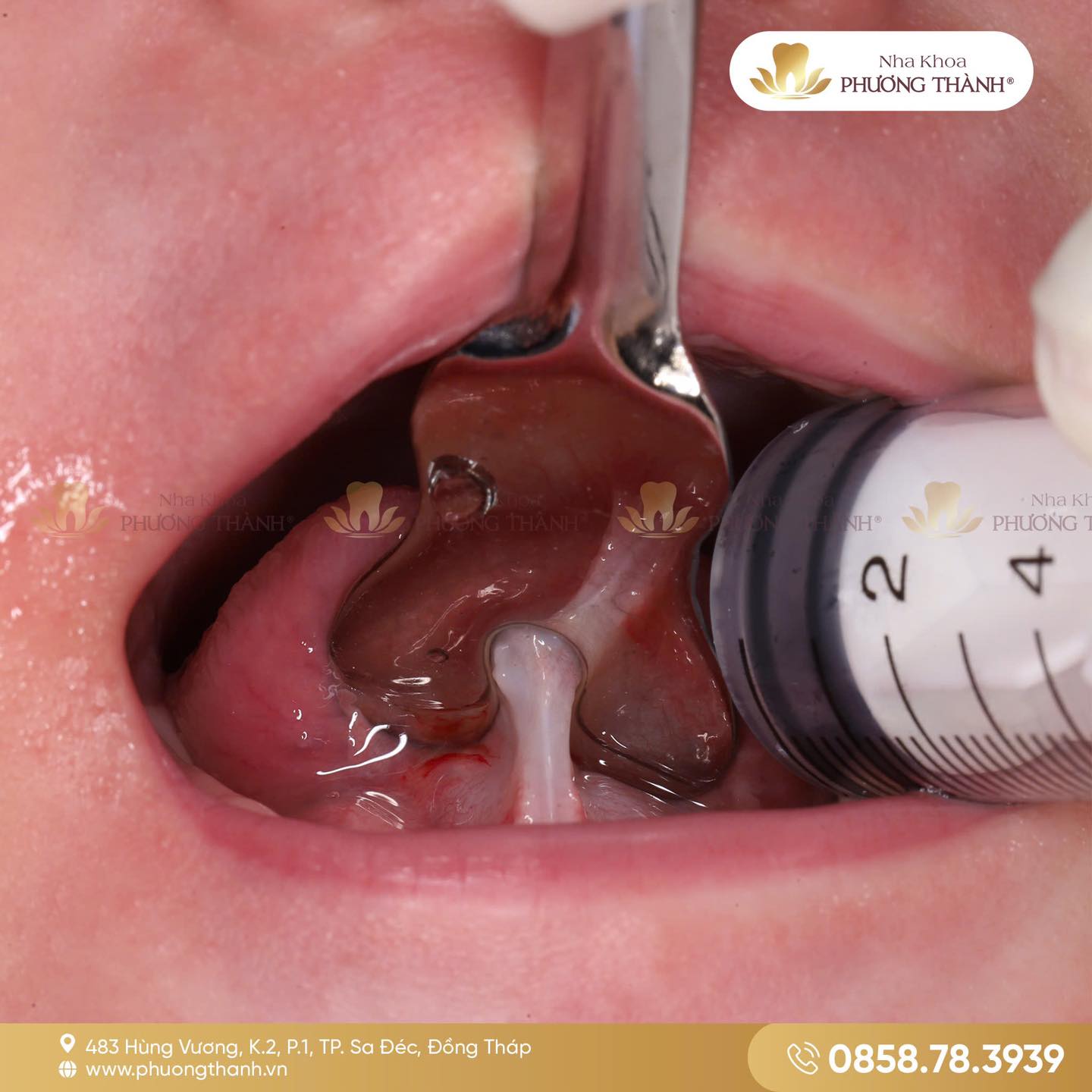
Tongue-tie is a congenital condition in which the tissue beneath the tongue is shorter or thicker than normal, limiting tongue movement. Children may experience difficulty breastfeeding, restricted tongue mobility, and in some cases, speech development may be affected as they grow older.
When detected early, treatment is simple, quick, and has minimal impact on a child’s speech development.
 |
|
 |
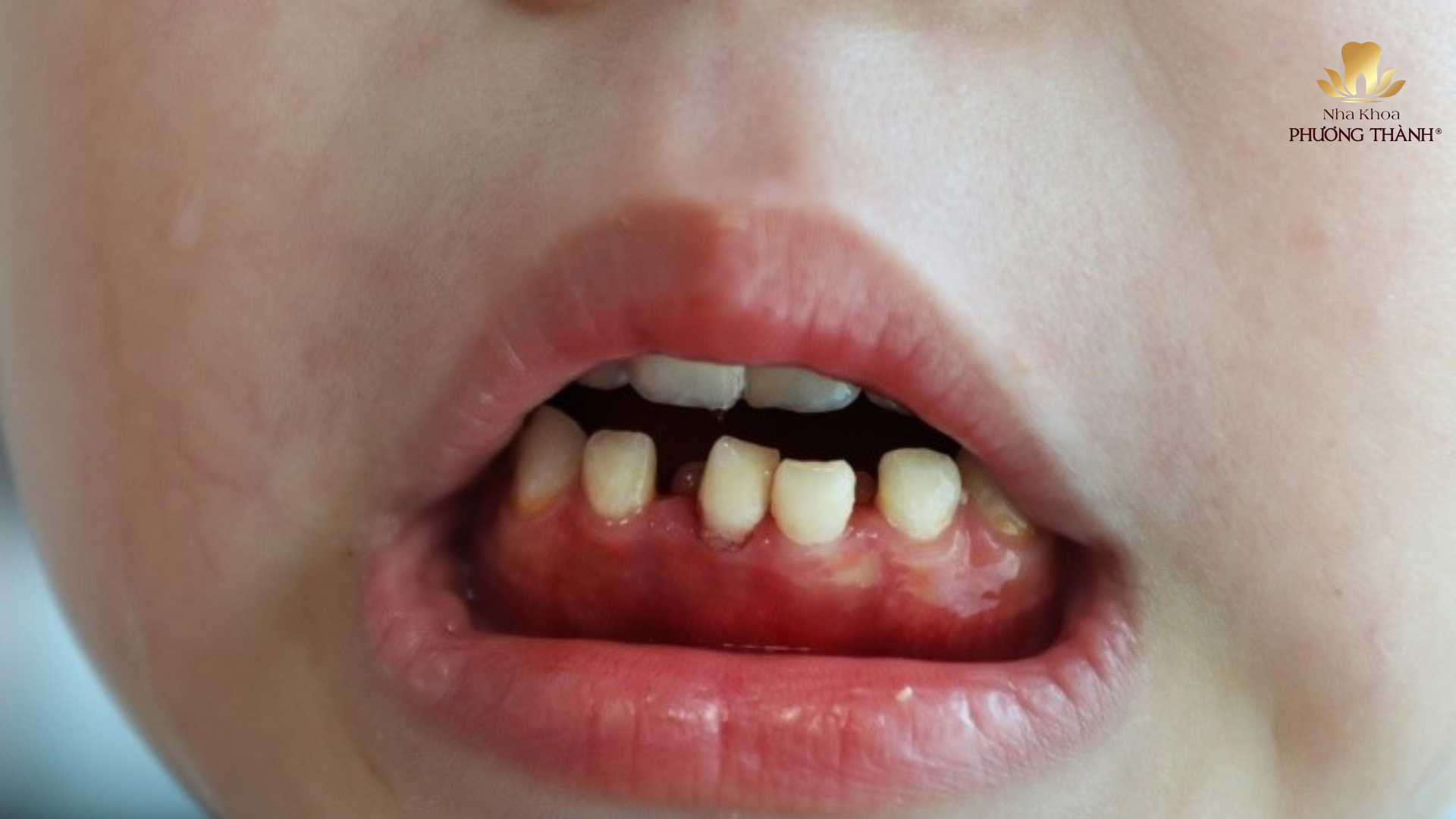 |
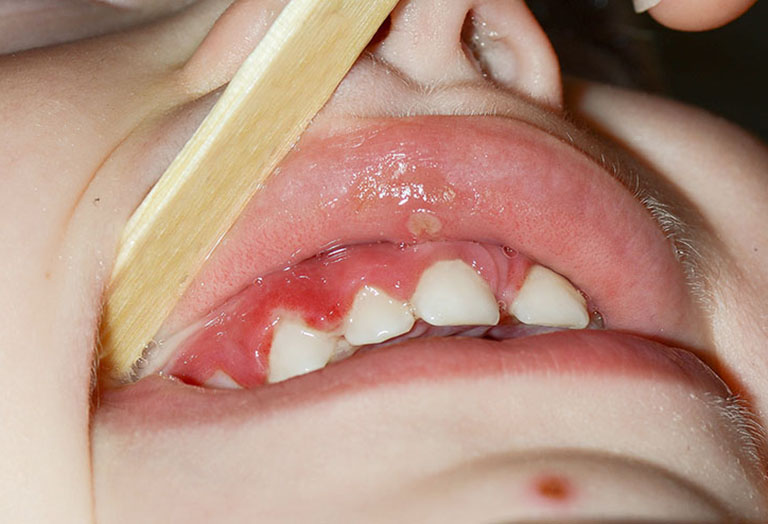
Gingivitis and mouth ulcers are common conditions that can cause pain and discomfort inside the mouth. As a result, children may avoid eating, lose their appetite, and become increasingly irritable.
Gingivitis is mainly caused by bacterial plaque, while mouth ulcers may be associated with factors such as oral tissue trauma, nutritional deficiencies, or a weakened immune system.
Without proper treatment, inflammation can worsen and negatively affect long-term oral health.
 |
|
 |
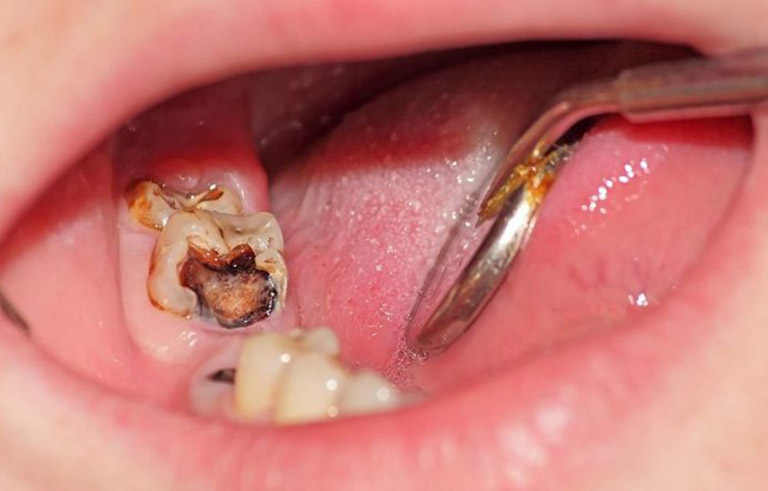 |
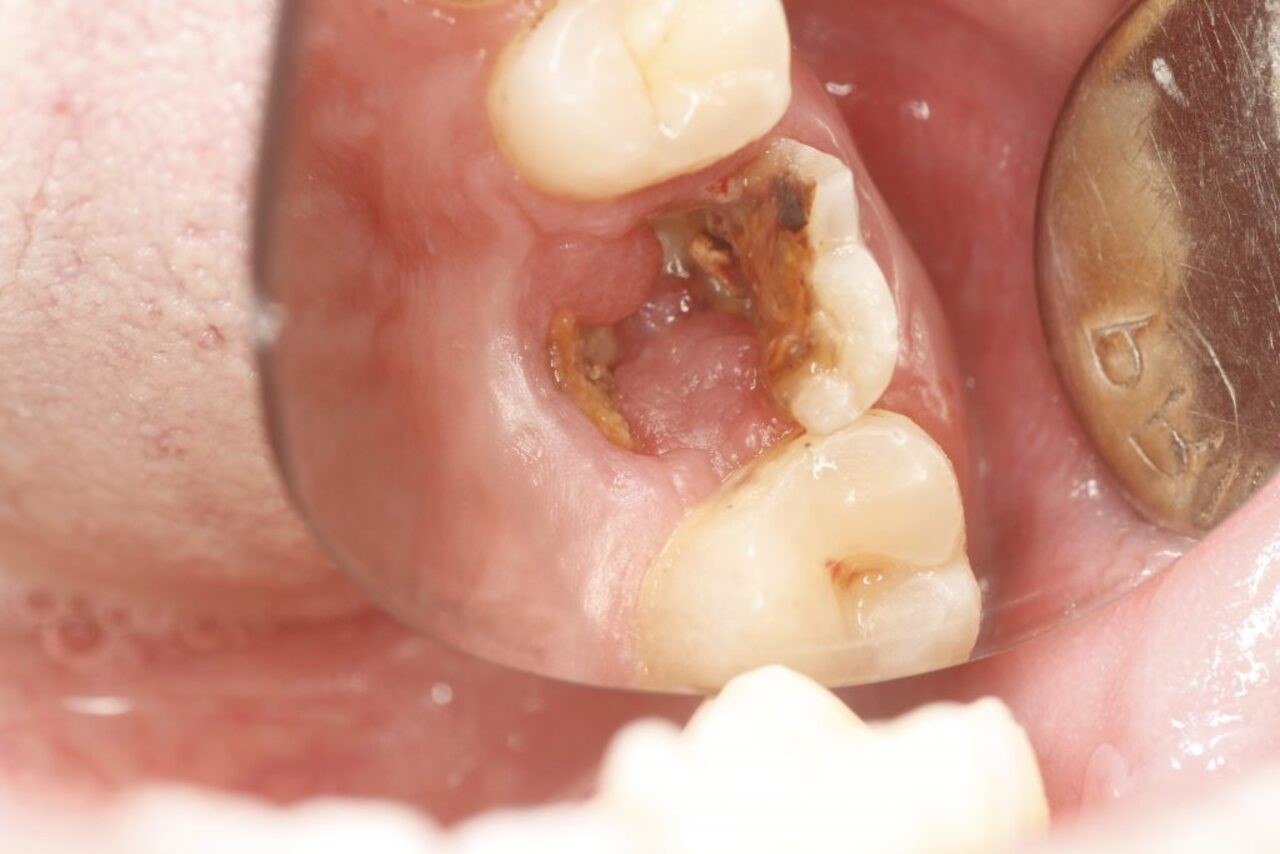
Pulpitis is often a complication of untreated tooth decay. It is a serious condition that can cause severe pain and significantly affect a child’s daily life and overall health.
In many cases, pulpitis can also lead to infection around the root of the tooth. A prolonged infection around the root of a primary tooth may affect the developing permanent tooth underneath, resulting in abnormalities in tooth formation or eruption.
Treatment at this stage is usually more complex and time-consuming than treating the problem in its early stages.
Ignoring oral health problems in children may lead to many undesirable consequences, including:
To protect your child’s oral health, parents should establish healthy habits from an early age:
Most oral diseases in children can be detected and treated effectively at an early stage. Therefore, parents should not wait until their child experiences pain before seeking dental care. Primary teeth play an essential role in maintaining space for permanent teeth, supporting chewing, speech development, and jaw growth. Therefore, decayed baby teeth should always receive timely treatment.
Regular dental checkups are the best way to help children maintain healthy teeth, support their overall development, and build confidence as they grow. Contact Phuong Thanh Dental Clinic today to schedule a consultation and comprehensive oral health examination for your child.
Sa Dec Headquarters: 483 Hung Vuong Street, Cai Son Quarter, Sa Dec Ward, Dong Thap Province.
Hotline: 02773 95 6868
Cao Lanh Branch: 783 Pham Huu Lau Street, Cao Lanh Ward, Dong Thap Province (Inside Dong Thap University Campus).
Hotline: 02773 95 6869
P.T.T
One of the biggest concerns for patients considering dental implants is not necessarily the implant placement itself, but: “After getting...
Dental Floss – A Small Tool with a Big Role in Oral Care Dental floss is one of the oral...
What Are Exogenous Chromogenic Stains on Teeth? Images of Exogenous Chromogenic Stains on Teeth Exogenous chromogenic stains on teeth are...
Have you ever admired the bright, perfectly aligned smiles on magazine covers or movie screens and wished you could have...
WORKING HOURS