
Dental Implants – Get Your Teeth Immediately, Without Disrupting Your Life
One of the biggest concerns for patients considering dental implants is not necessarily the implant placement itself, but: “After getting...
 Published: 11/07/2026
Many people still think that brushing twice a day is enough to protect oral health. However, according to Dr. Ghousia Begum – a dentist at Gharonda Hospital, Hosmat, Kalyan Nagar, Pune (India), oral care needs to be “personalized” according to each person’s health condition and age.
In fact, there are certain groups of people for whom conventional oral hygiene methods may not be effective, and may even cause harm. Below are 6 groups who need special attention.
Inpatients often have weakened immune systems, poor self-care ability, or limited mobility. For critically ill patients, especially those with ventilator-associated pneumonia or hospital-acquired pneumonia, poor oral hygiene is a risk factor.
Recommendations:
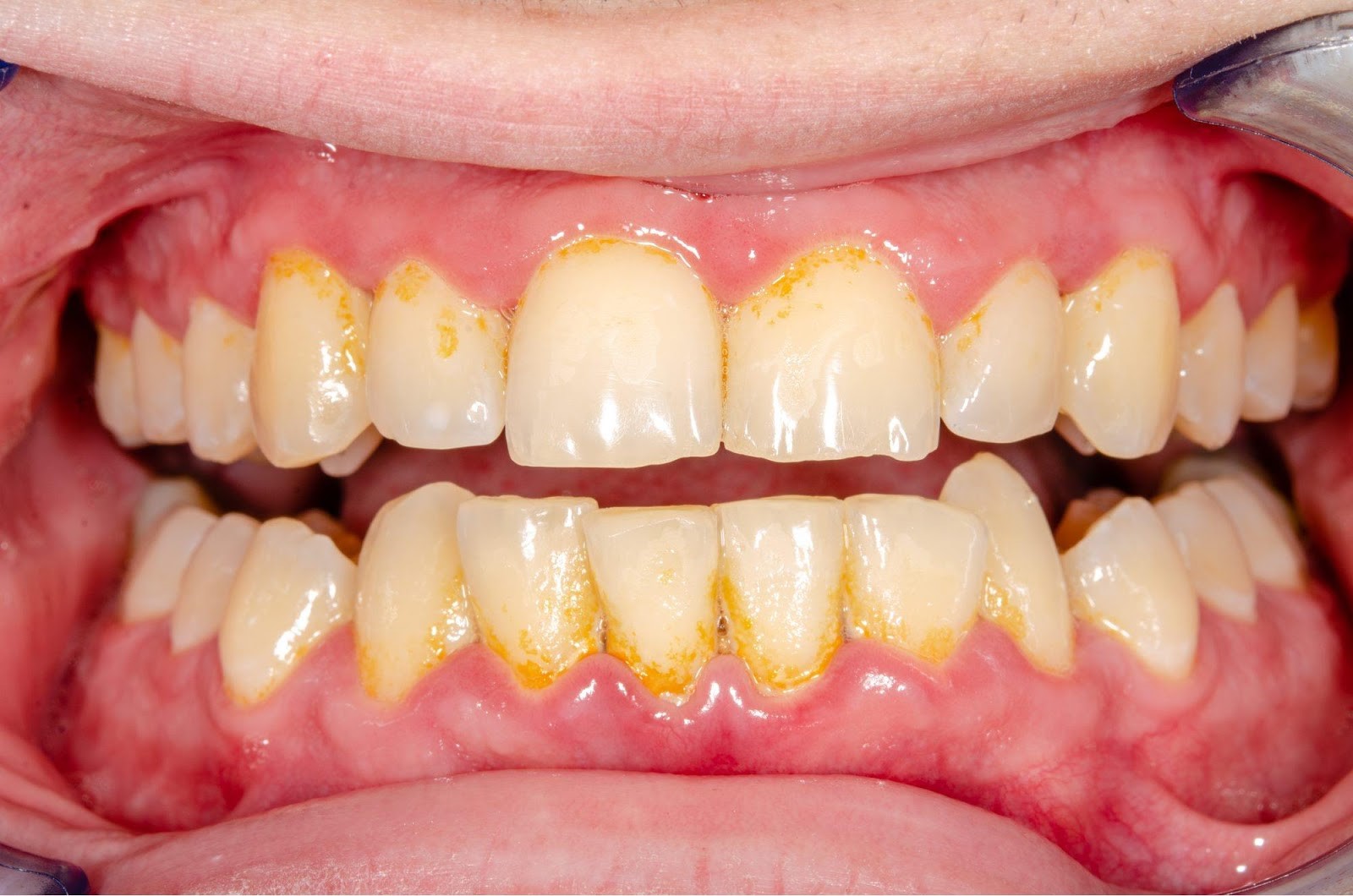
People with neurological or cognitive issues often have difficulty controlling their behavior and cannot properly clean their own teeth.
Risks:
Solutions:
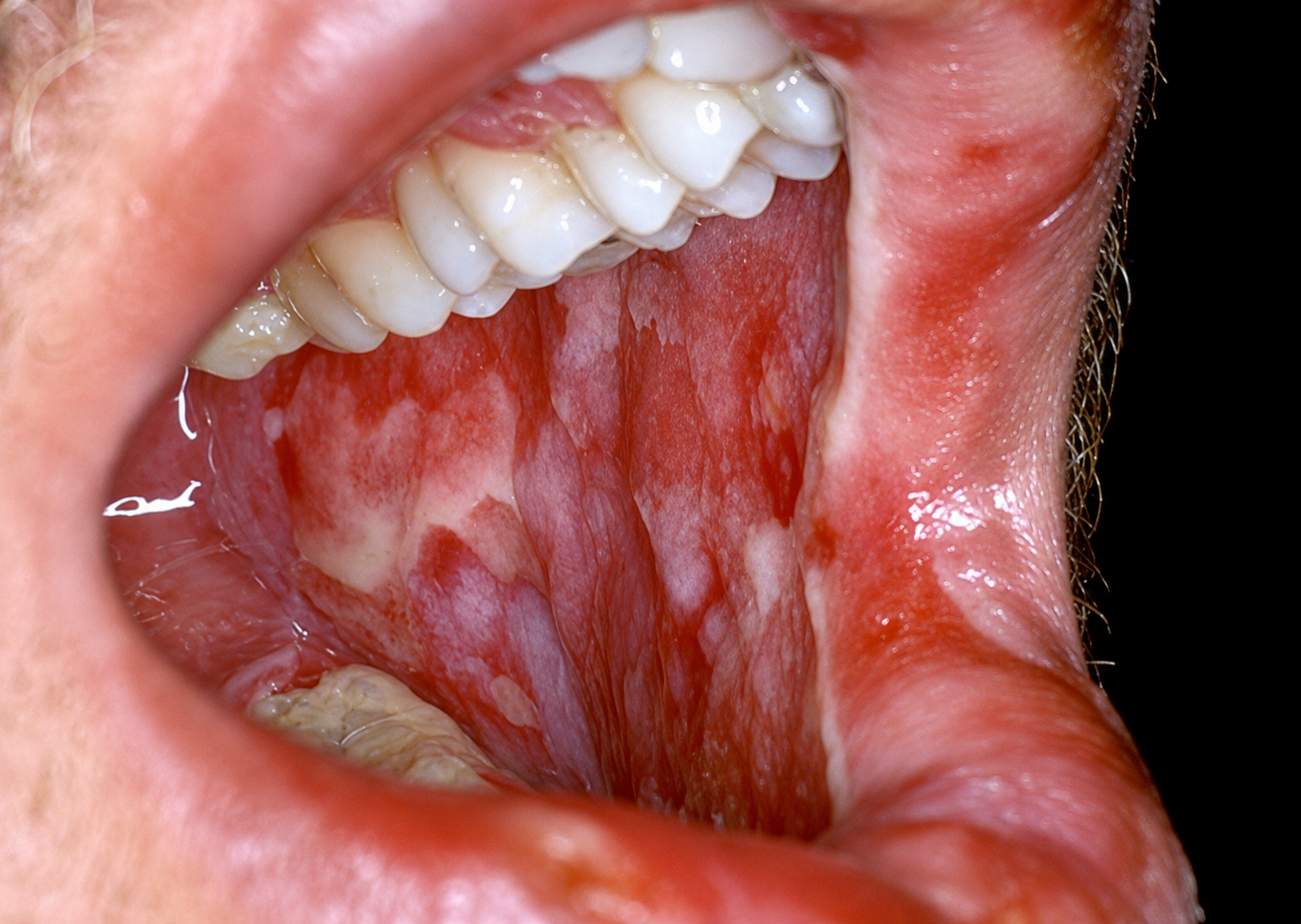
Systemic diseases and treatment medications can directly affect oral health, causing dry mouth, gum inflammation, and mucosal ulcers.
In particular:
Recommendations:
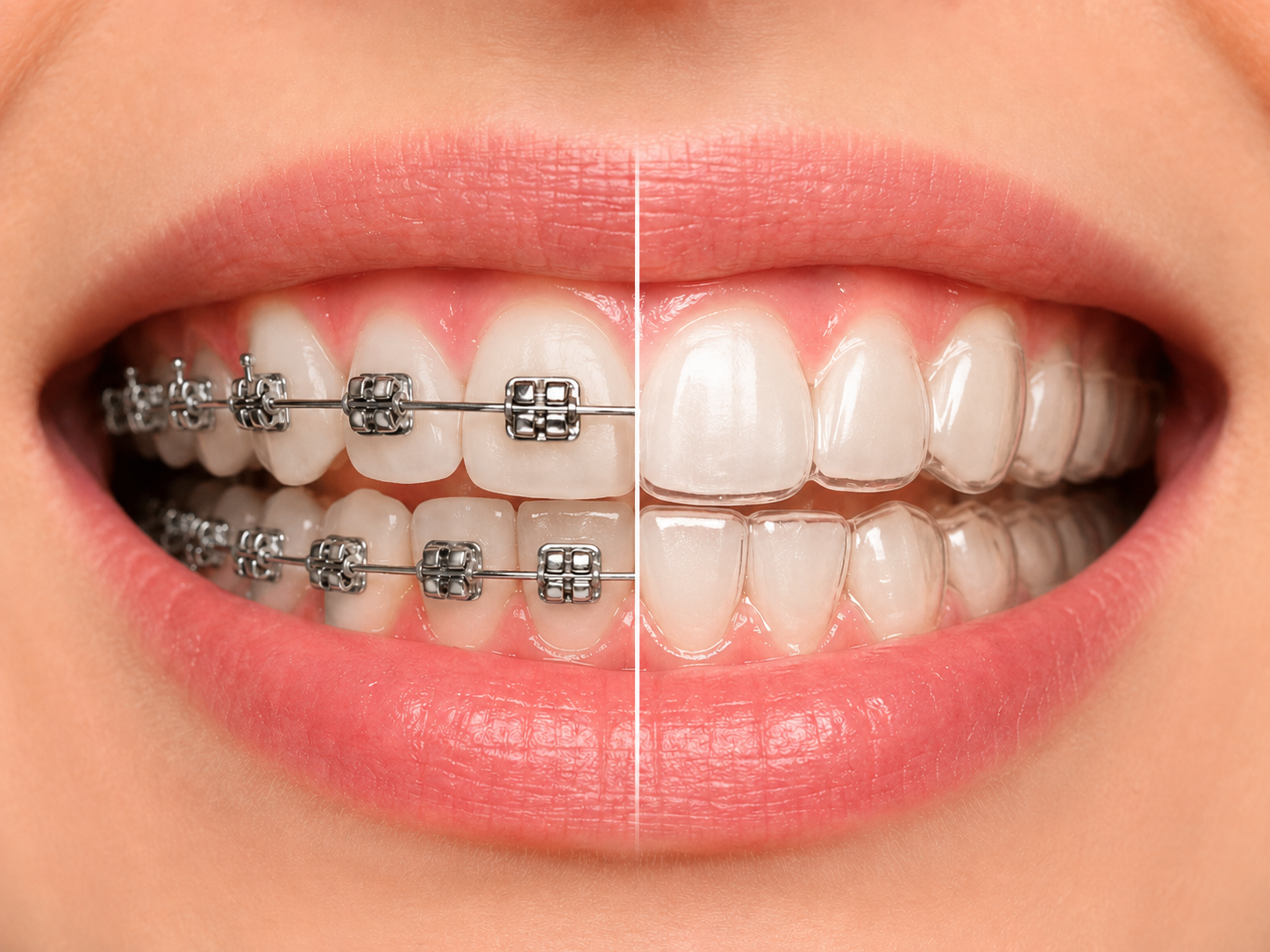
Braces make it easy for food to get trapped while eating; if not cleaned properly, this can lead to tooth decay, gum inflammation, or bad breath.
Important notes:
This is a group that needs more thorough oral care than usual to ensure orthodontic treatment effectiveness.
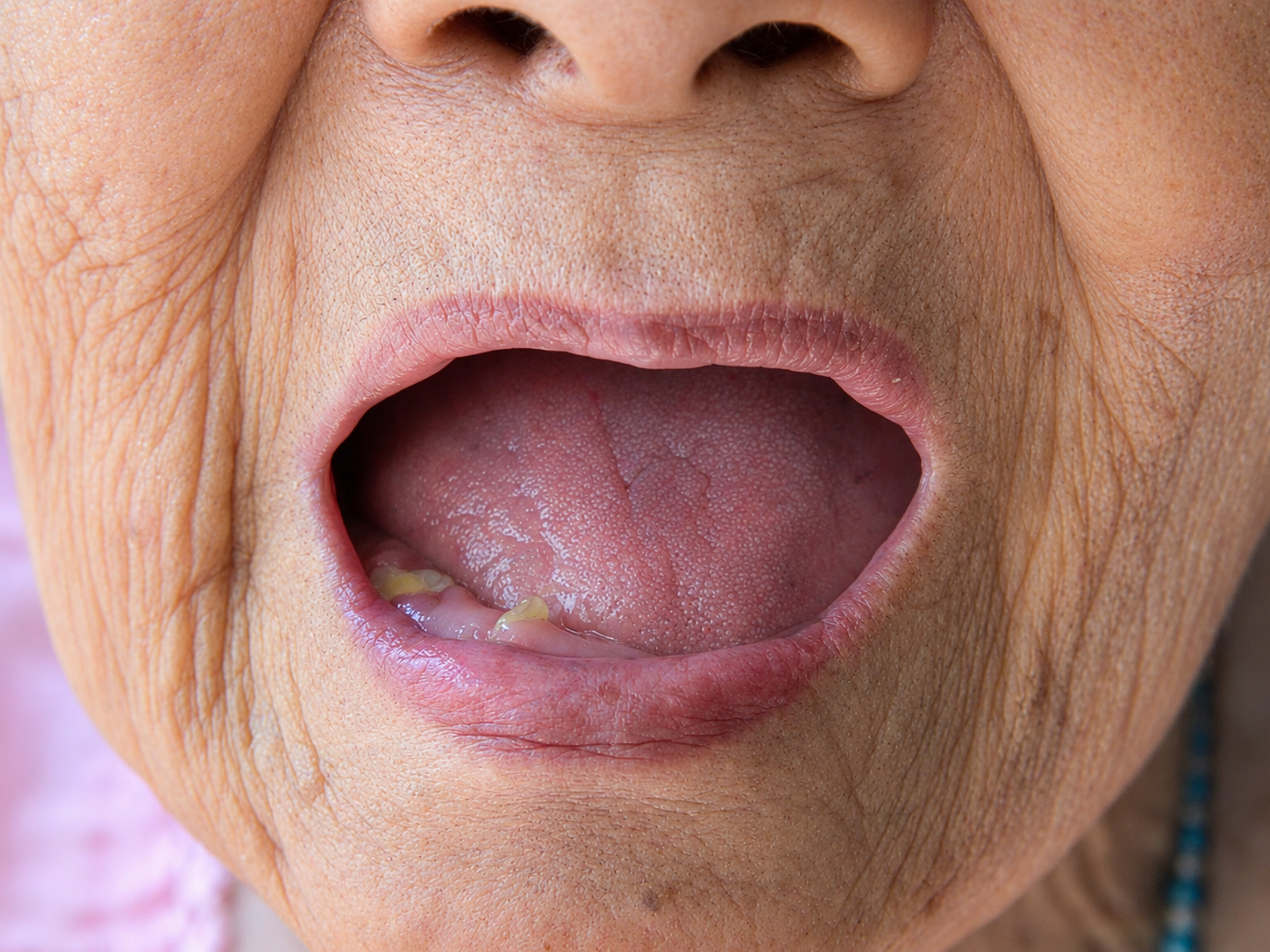
In older adults, gums often become more sensitive, and dry mouth is also common due to age or medication.
Consequences:
Solutions:
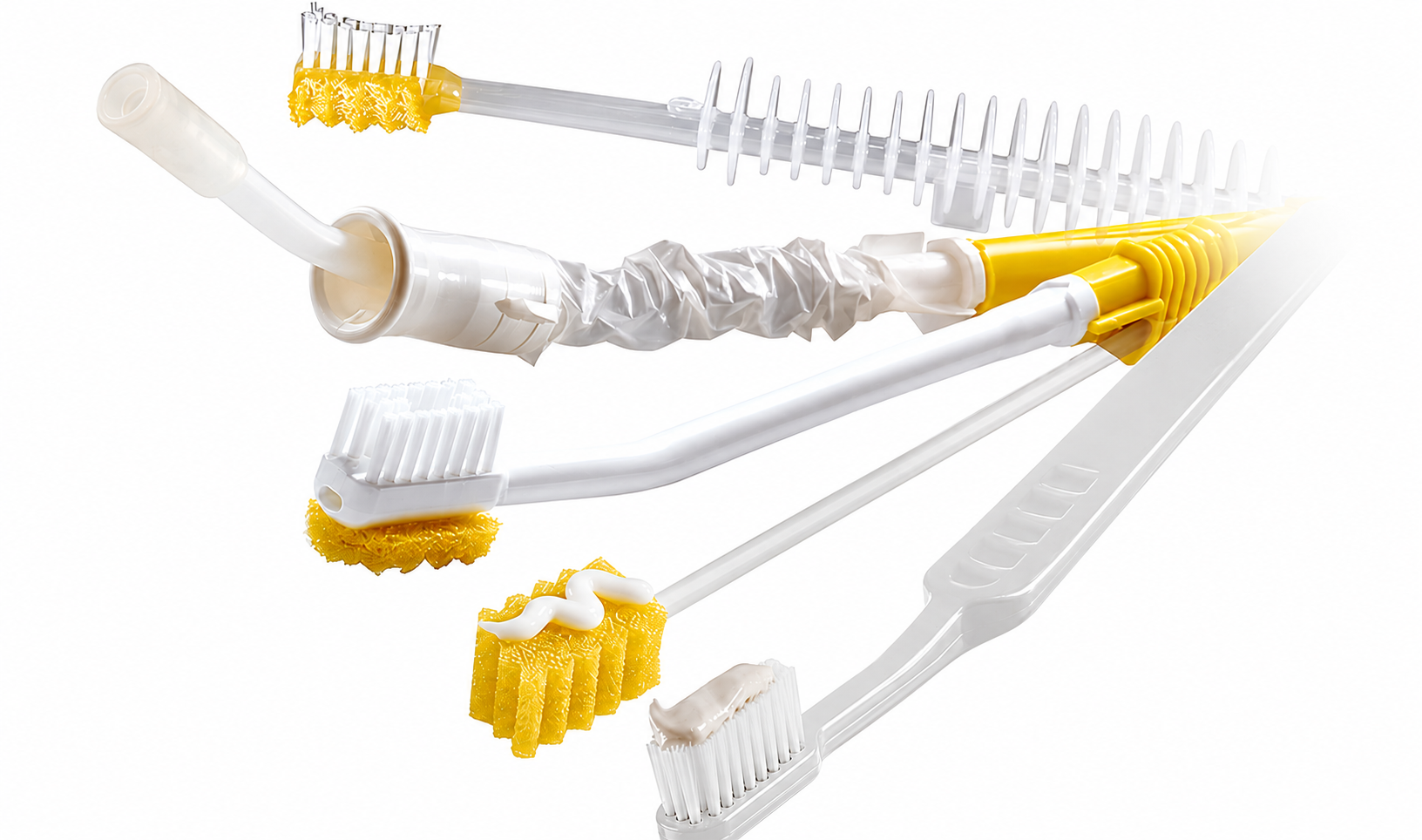
Some children may be sensitive to the sensation of brushing (some children with autism spectrum disorder or sensory sensitivities…), while people with limited mobility have difficulty performing hygiene tasks.
Common difficulties:
Approach:
Each person has a different health condition, age, and needs. Applying a “one-size-fits-all” oral hygiene method sometimes does not bring optimal results.
Personalization helps:
If you belong to one of the 6 groups above, regular dental check-ups are extremely necessary. The doctor will assess your specific condition and provide the most suitable care plan.
At Phuong Thanh Dental Center, customers receive personalized consultation on oral care plans based on their actual condition, helping ensure long-term safety and effectiveness.
Sa Dec Headquarters: 483 Hung Vuong, Cai Son hamlet, Sa Dec ward, Dong Thap province.
Hotline: 02773 95 6868
Cao Lanh Headquarters: 783 Pham Huu Lau, Cao Lanh ward, Dong Thap province (Dong Thap University campus)
Hotline: 02773 95 6869
P.T.T
One of the biggest concerns for patients considering dental implants is not necessarily the implant placement itself, but: “After getting...
Dental Floss – A Small Tool with a Big Role in Oral Care Dental floss is one of the oral...
Parents should not overlook common oral health problems in children such as tooth decay, gingivitis, pulpitis, and tongue-tie. Early detection...

Running a business is a journey of making decisions every single day. Deciding whether to invest or wait. Deciding whether...
WORKING HOURS