

Dental Implants – Get Your Teeth Immediately, Without Disrupting Your Life
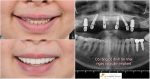
One of the biggest concerns for patients considering dental implants is not necessarily the implant placement itself, but: “After getting...
 Published: 04/10/2025
Dental Knowledge
Published: 04/10/2025
Dental Knowledge
Many people assume that once a tooth is broken, it cannot be saved and must be extracted. However, in reality, not every fractured tooth leads to tooth loss. If the root remains stable, there is no severe infection, and the remaining tooth structure is still restorable, the dentist may still recommend treatment options to preserve the natural tooth.
The possibility of saving a broken tooth depends on the location of the fracture, the extent of the damage, the condition of the dental pulp, the amount of remaining tooth structure, and the health of the surrounding tissues. That is why early examination after dental trauma or tooth fracture is very important in determining the most appropriate treatment plan.
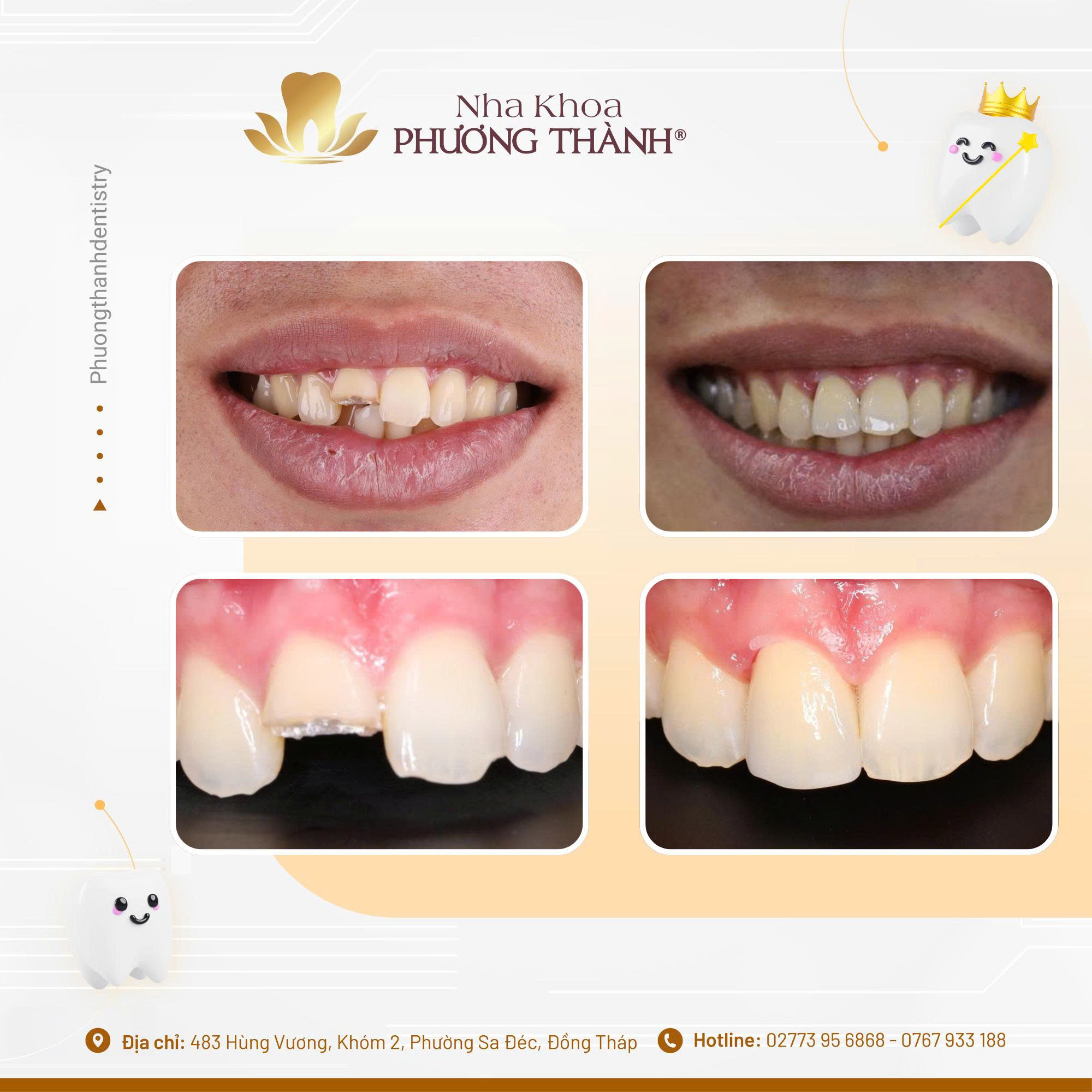
In cases where the tooth is only slightly chipped or fractured and the damage does not significantly affect its structure or function, the dentist may recommend esthetic bonding to restore the tooth’s original shape and appearance.
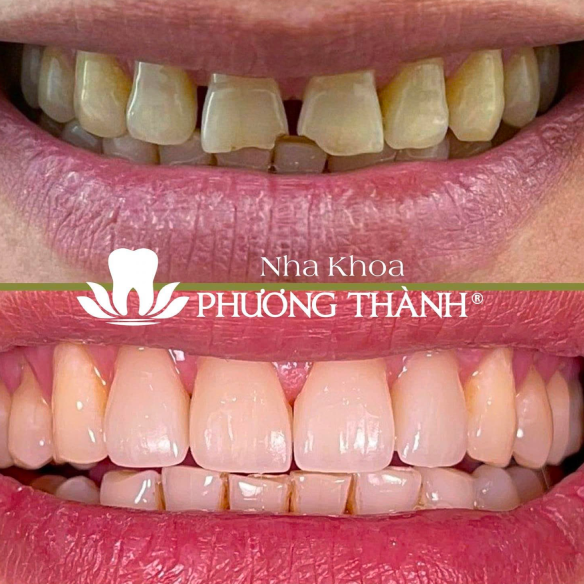
If the tooth is severely fractured, has lost a large amount of hard tissue, or the remaining crown structure is no longer strong enough, the dentist may recommend a ceramic crown restoration to improve durability and protect the remaining tooth structure.
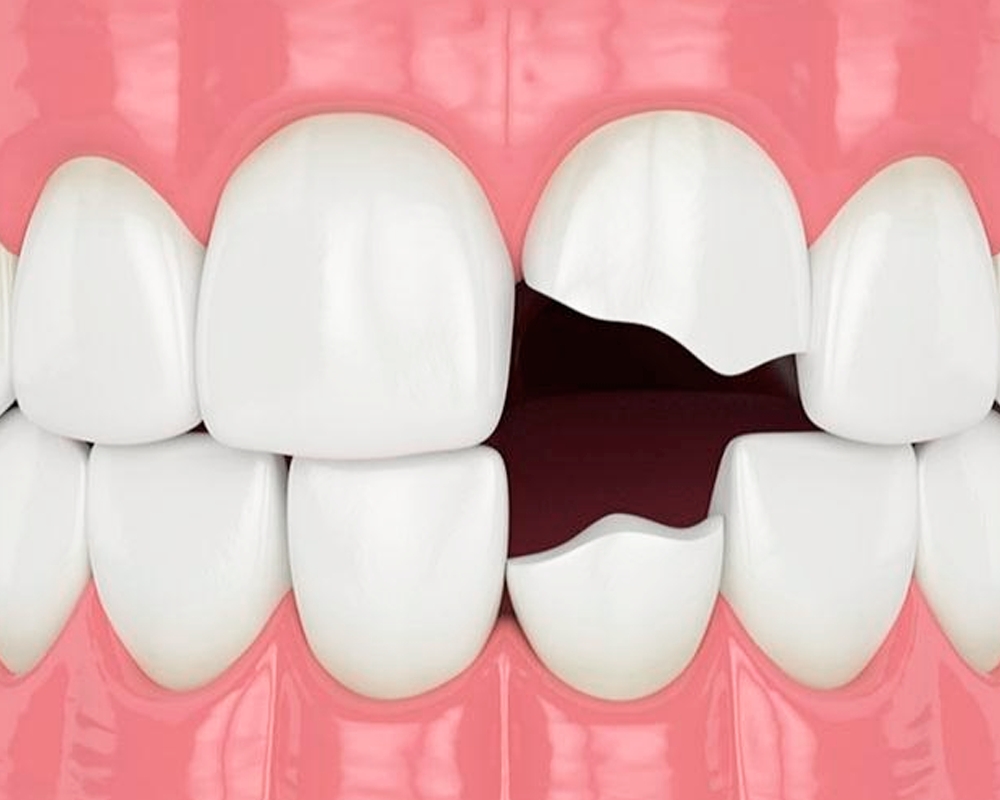
If the fracture exposes or damages the dental pulp, the patient may need root canal treatment before restoration. Once the inflammation or infection is controlled and the remaining structure is preserved, the tooth may then be restored with a ceramic crown or another suitable option.
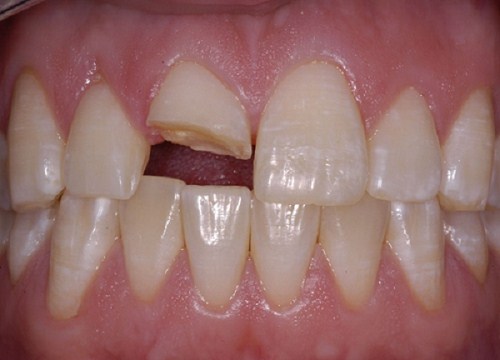
If the tooth is fractured too deeply, the root has a vertical crack, the remaining tooth structure is not sufficient for restoration, or there is a severe infection, the dentist may recommend tooth extraction followed by implant restoration to rebuild both function and aesthetics.
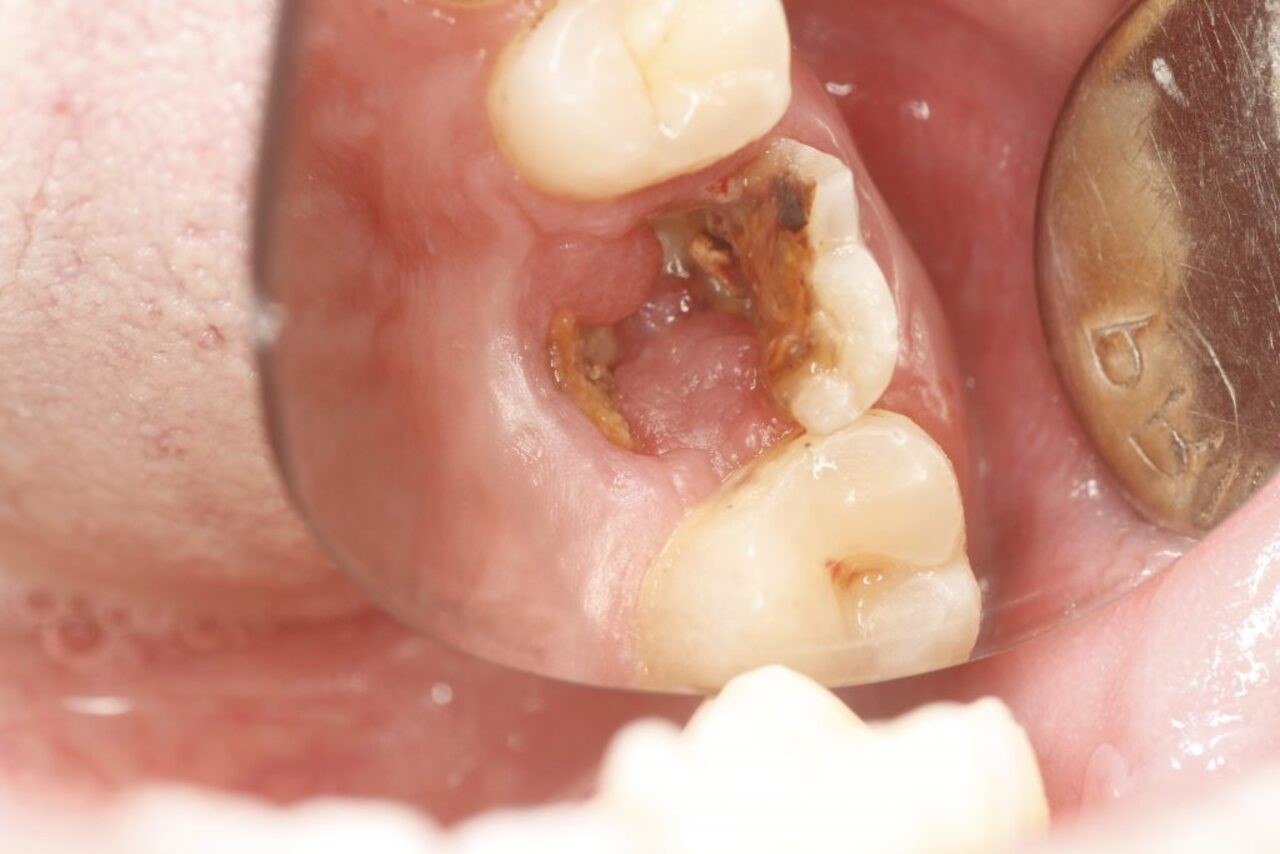
The most important thing after a tooth fracture is not to ignore it or delay a dental examination. A broken tooth that is left untreated may allow bacteria to enter the inside of the tooth, increasing the risk of pulp inflammation, infection around the root, gum recession, or bone loss in the surrounding area.
As the damage becomes more complicated over time, treatment may become not only more difficult but also less likely to preserve the natural tooth.
Not every broken tooth needs to be extracted. In many cases, if examined and treated early, the tooth can still be preserved and restored effectively.
Timely intervention not only increases the chance of saving the natural tooth, but also helps limit complications and reduce the complexity of future treatment.
One of the biggest concerns for patients considering dental implants is not necessarily the implant placement itself, but: “After getting...
Dental Floss – A Small Tool with a Big Role in Oral Care Dental floss is one of the oral...

Parents should not overlook common oral health problems in children such as tooth decay, gingivitis, pulpitis, and tongue-tie. Early detection...
What Are Exogenous Chromogenic Stains on Teeth? Images of Exogenous Chromogenic Stains on Teeth Exogenous chromogenic stains on teeth are...
WORKING HOURS