




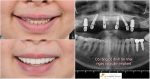
Dental Implants – Get Your Teeth Immediately, Without Disrupting Your Life
One of the biggest concerns for patients considering dental implants is not necessarily the implant placement itself, but: “After getting...
 Published: 30/08/2025
Dental Knowledge
Published: 30/08/2025
Dental Knowledge
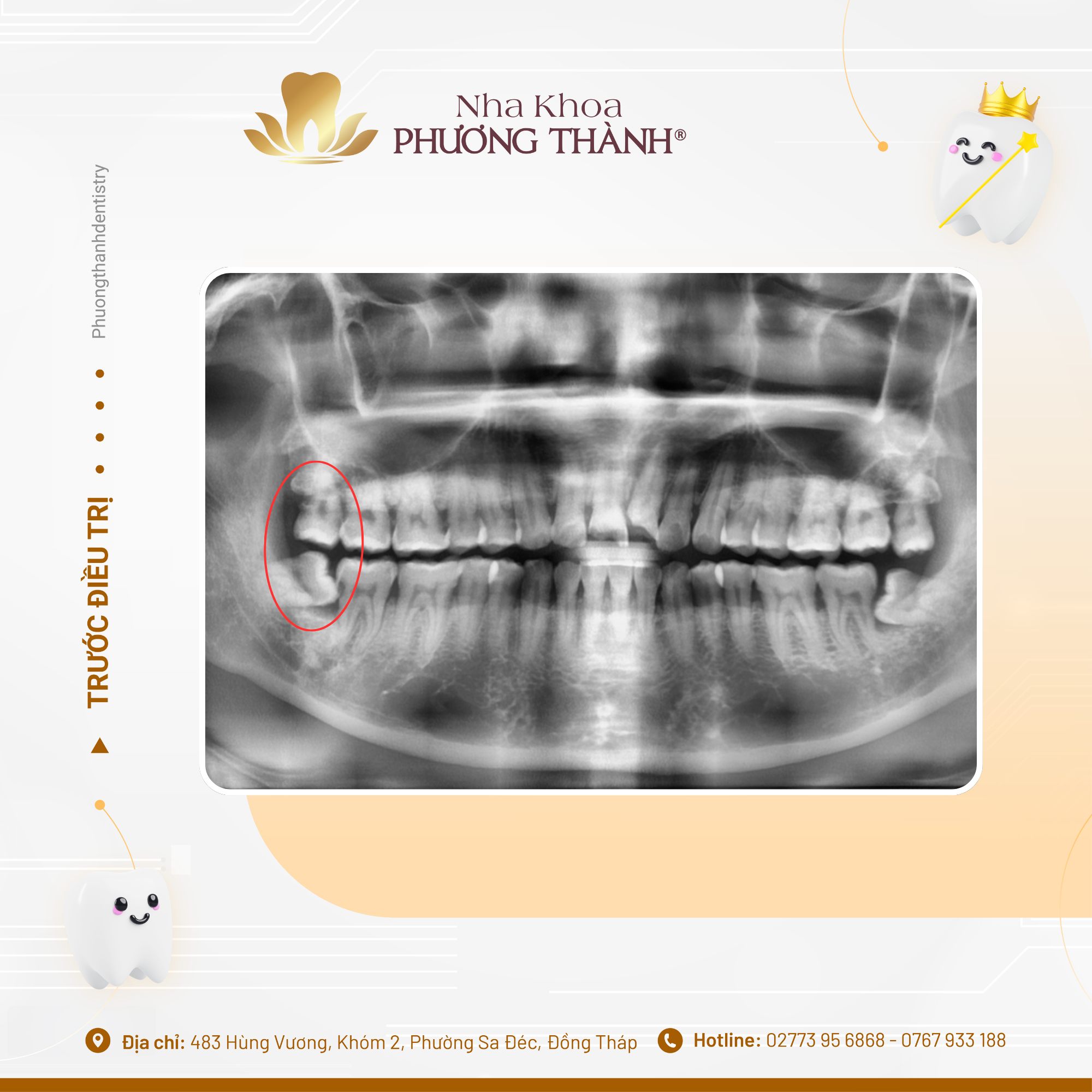
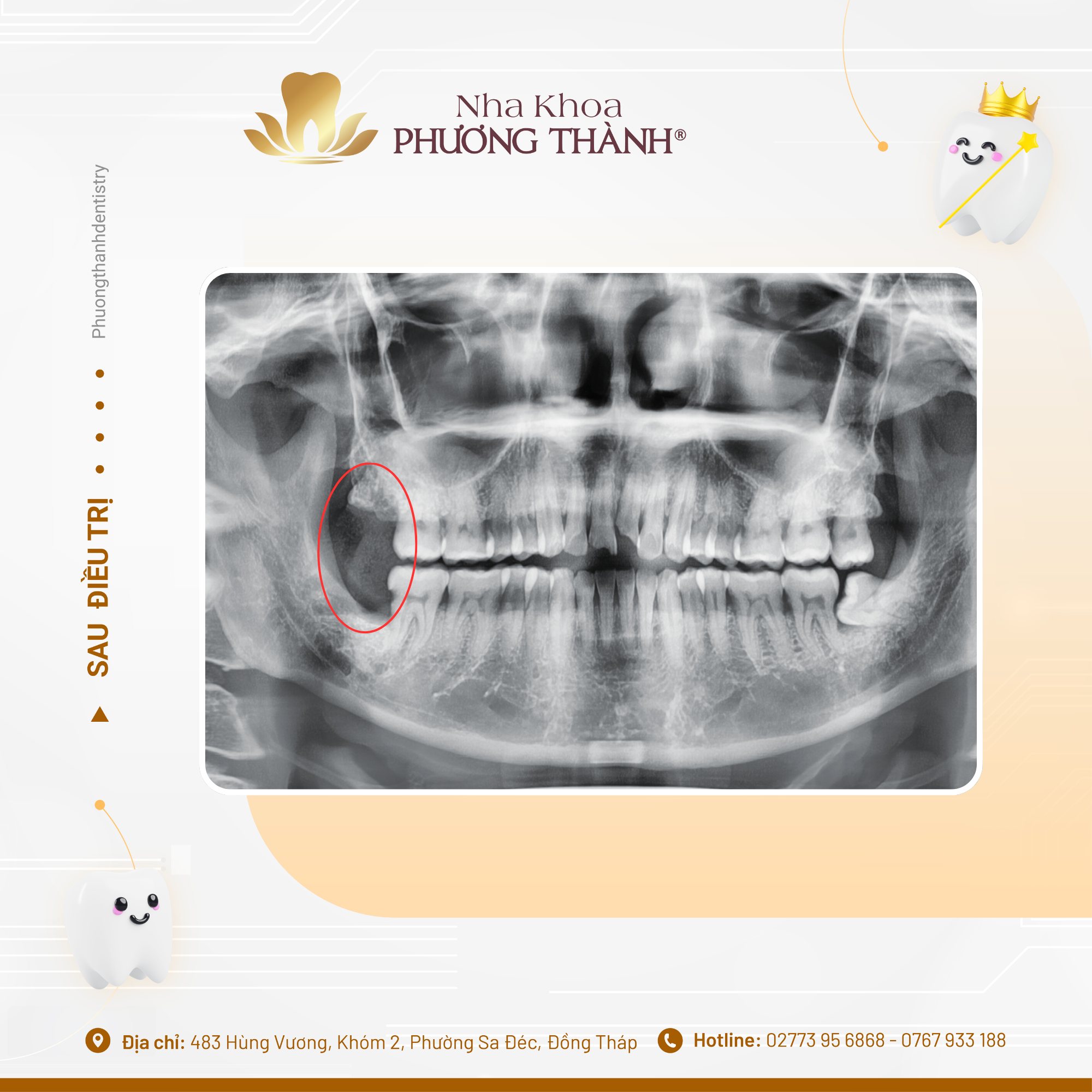
Wisdom tooth extraction is a common dental procedure, especially in cases where the tooth is growing at an angle, impacted, partially erupted with inflamed gum tissue, or has the potential to affect adjacent teeth. However, for the extraction to be performed safely and for the area to heal properly, pre-procedure preparation and proper post-extraction care are extremely important.
Below are some essential recommendations to help patients be better prepared for wisdom tooth extraction and reduce the risk of unwanted complications.
 |
 |
Before the extraction day, patients should try to maintain stable health and avoid certain factors that may interfere with bleeding control or the healing process.
Some commonly recommended precautions include:
Before the extraction, patients should fully discuss their current health condition with the dentist so the procedure can be assessed properly and planned more safely.
Important information to share includes:
Providing complete information helps the dentist assess the safety of the procedure in advance and reduce potential risks during treatment.
After wisdom tooth extraction, the body needs time to recover, especially in cases involving lower wisdom teeth, impacted teeth, or teeth requiring more extensive surgical intervention.
Patients are encouraged to:
This is a very important stage because the blood clot in the extraction socket is forming and plays a protective role for the wound. Proper care during this time can help reduce bleeding, relieve discomfort, and support better healing.
Patients should keep in mind:
After the first 24 hours, the extraction area begins transitioning into the soft tissue healing stage. At this point, patients may begin more gentle oral care, while still being careful not to disturb the healing site.
Some important notes include:
After the extraction, the dentist may prescribe pain relievers, anti-inflammatory medication, or other supportive medicine depending on the case. Patients should:
After extraction, some of the following reactions are commonly experienced and are not always signs of a problem:
These symptoms usually improve gradually within 3–5 days, depending on the complexity of the extraction and each person’s healing response.
Although most wisdom tooth extractions heal smoothly, patients should still monitor the area carefully during the first few days. If any of the following signs appear, you should return to the dental clinic promptly for evaluation:
These may be signs of infection, dry socket, or post-operative complications and should be treated promptly to avoid interfering with the healing process.
To support the healing process after wisdom tooth extraction, patients should maintain appropriate care habits during the first few days:
Wisdom tooth extraction can feel much smoother and safer when it is performed with the right indication, proper technique, and an appropriate post-treatment care plan. Understanding what to prepare before the extraction and how to care for the area afterward can help reduce anxiety and support a more comfortable recovery.
At Phuong Thanh Dental Clinic, wisdom tooth extraction is performed only after a careful examination and appropriate imaging assessment to accurately determine the tooth’s position, eruption direction, and level of complexity. This helps the dentist create a safer treatment plan while minimizing unnecessary trauma.
In addition, the use of modern supporting technology such as the Piezotome ultrasonic device in selected cases may help make the extraction process gentler, reduce trauma to surrounding hard and soft tissues, and contribute to a better treatment experience as well as a smoother recovery afterward.
One of the biggest concerns for patients considering dental implants is not necessarily the implant placement itself, but: “After getting...
Dental Floss – A Small Tool with a Big Role in Oral Care Dental floss is one of the oral...
Parents should not overlook common oral health problems in children such as tooth decay, gingivitis, pulpitis, and tongue-tie. Early detection...
What Are Exogenous Chromogenic Stains on Teeth? Images of Exogenous Chromogenic Stains on Teeth Exogenous chromogenic stains on teeth are...
WORKING HOURS