
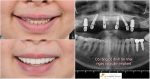
Dental Implants – Get Your Teeth Immediately, Without Disrupting Your Life
One of the biggest concerns for patients considering dental implants is not necessarily the implant placement itself, but: “After getting...
 Published: 07/12/2025
Dental Knowledge
Published: 07/12/2025
Dental Knowledge
Brushing your teeth immediately after eating might seem like a good habit, but in some cases, it can actually affect your tooth enamel. After a meal, especially when consuming acidic foods like citrus fruits, tomatoes, or soft drinks, the surface of the enamel can temporarily become softer.
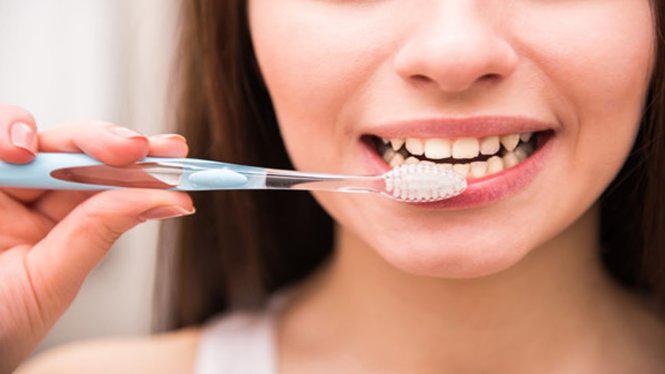
If you brush at this moment, the brushing force can impact the softened enamel layer and increase the risk of wear over time. Therefore, many dental experts often recommend waiting about 30 minutes after eating before brushing to allow saliva time to neutralize acids and help restabilize the enamel surface.
While waiting, you can rinse your mouth with clean water or chew sugar-free gum to stimulate saliva production, which helps temporarily clean the oral cavity.
Maintaining proper daily oral care habits contributes to protecting enamel and keeping your teeth strong and healthy.
Source: Dental Daily
One of the biggest concerns for patients considering dental implants is not necessarily the implant placement itself, but: “After getting...
Dental Floss – A Small Tool with a Big Role in Oral Care Dental floss is one of the oral...
Parents should not overlook common oral health problems in children such as tooth decay, gingivitis, pulpitis, and tongue-tie. Early detection...
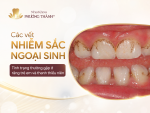
What Are Exogenous Chromogenic Stains on Teeth? Images of Exogenous Chromogenic Stains on Teeth Exogenous chromogenic stains on teeth are...
WORKING HOURS