



Dental Implants – Get Your Teeth Immediately, Without Disrupting Your Life
One of the biggest concerns for patients considering dental implants is not necessarily the implant placement itself, but: “After getting...
 Published: 06/03/2025
Dental Knowledge
Published: 06/03/2025
Dental Knowledge
In restorative dentistry, root canal treatment and dental crowns are procedures that must be carried out with the correct technique and a proper treatment plan. If the process is not well controlled, the treated tooth may develop various problems such as persistent pain, infection, poorly fitting restoration, or compromised chewing function.
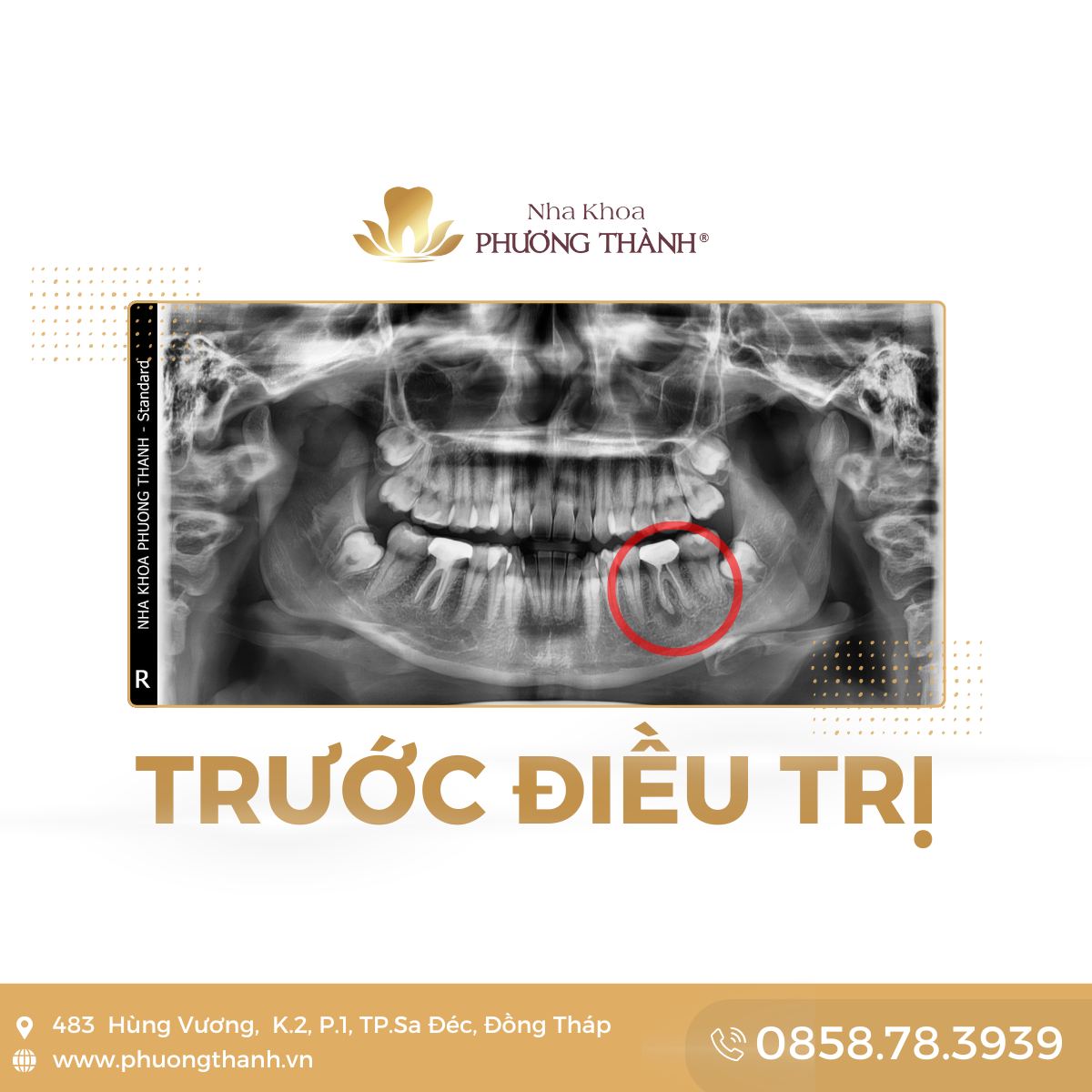
At Phuong Thanh Dental Clinic, one patient came in after having previously undergone root canal treatment and a dental crown at another clinic, but later experienced abnormal symptoms such as prolonged pain, infection around the treated tooth, and a broken instrument fragment inside the root canal.
Root canal treatment is a highly precise procedure, especially when it comes to cleaning the root canal system, controlling infection, and restoring the tooth structure afterward. If any of these steps are not performed appropriately, the tooth may face several long-term risks.
When these complications persist, they not only affect the treated tooth but can also reduce chewing efficiency and cause discomfort in daily life.
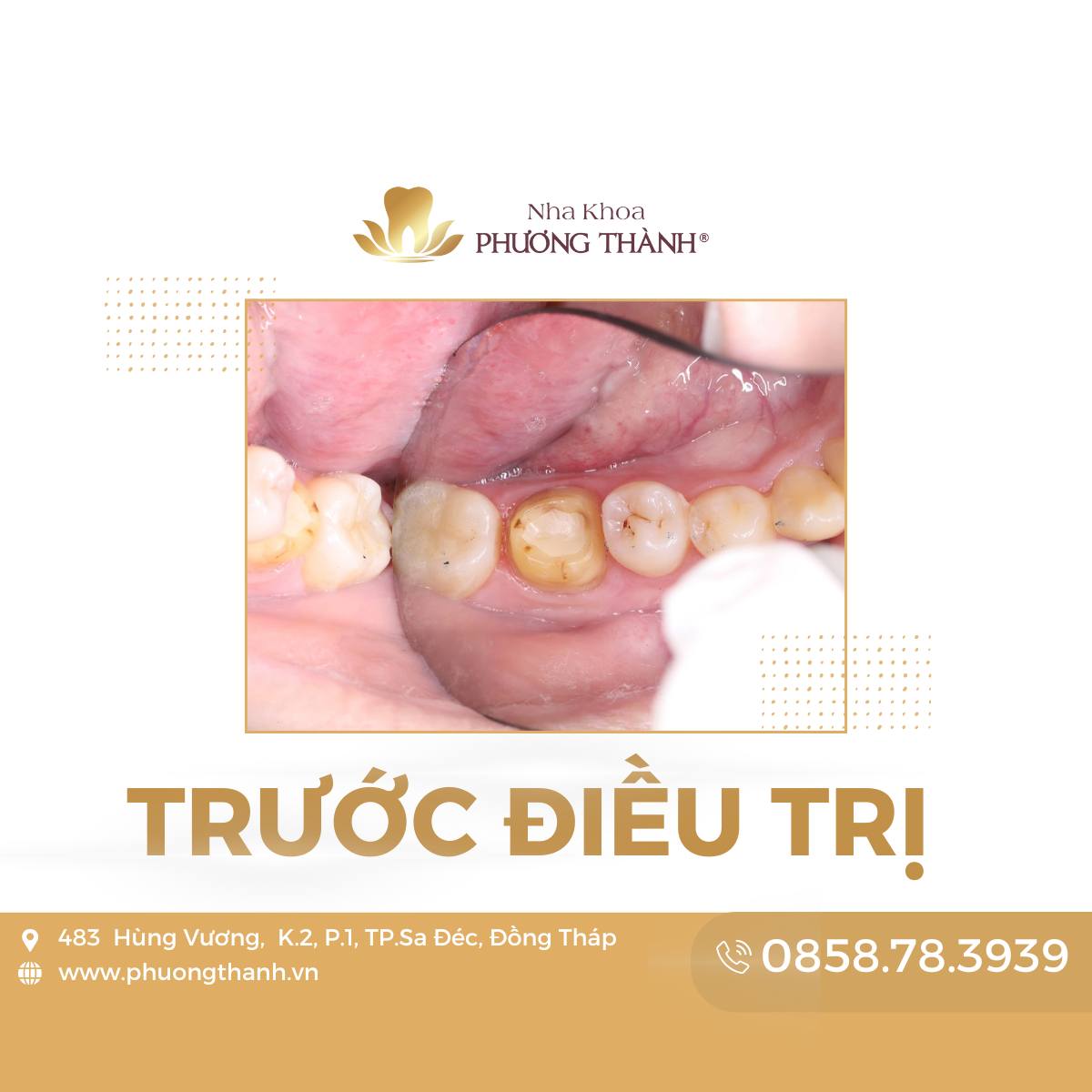
After a clinical examination and X-ray evaluation of the actual condition, the dentist determined that this case required retreatment of the root canal combined with a new restoration in order to control the infection and preserve the tooth as much as possible if it was still restorable.
The dentist retreated the root canal system in order to:
This is an important step to create a stable foundation before rebuilding the tooth.
In cases where the old crown is no longer suitable or does not provide adequate protection for the remaining tooth structure, the dentist may recommend removing the existing restoration to reassess the remaining natural tooth.
This helps accurately evaluate:
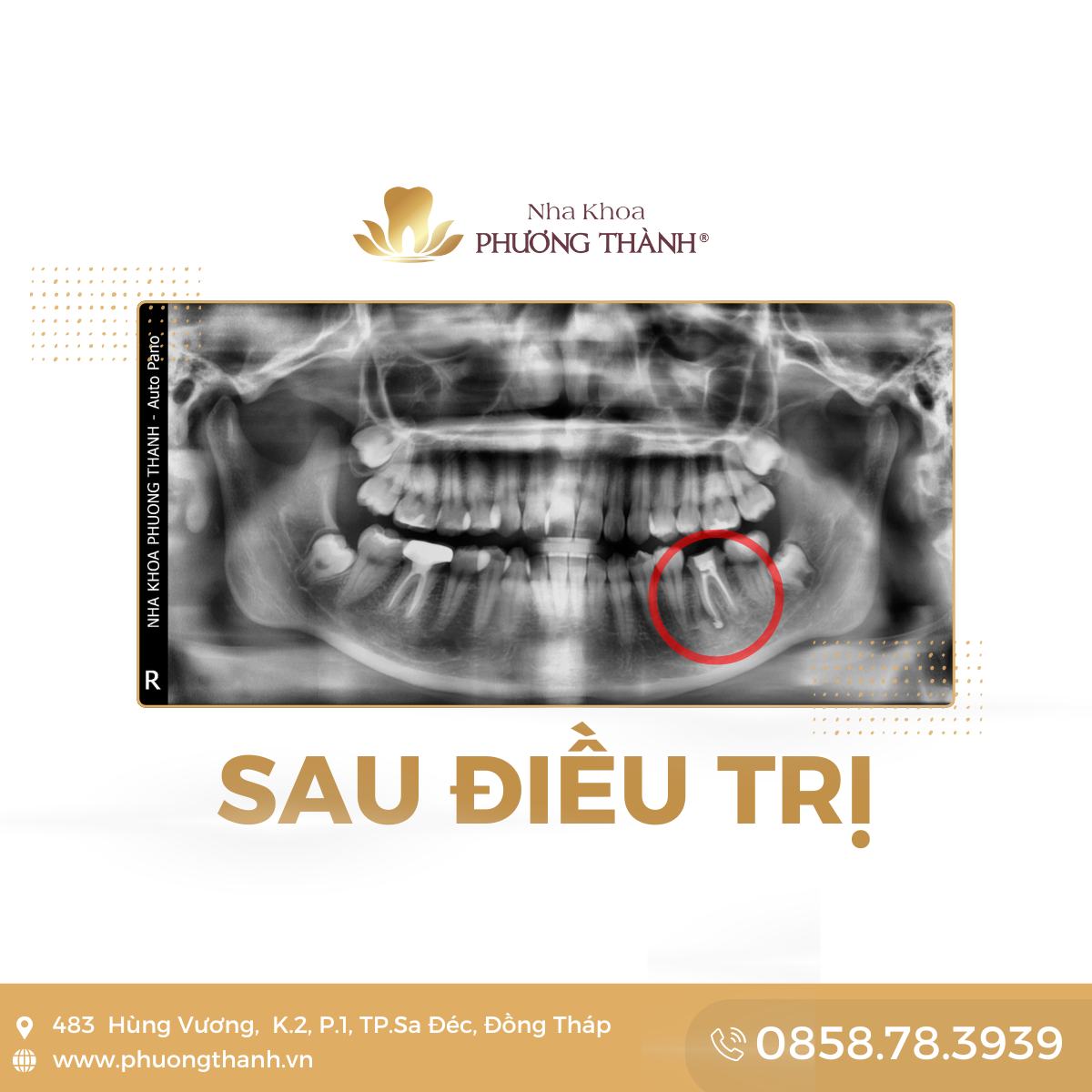
After the root canal condition was stabilized and the remaining tooth structure was deemed suitable, the tooth was restored with a new crown to:
 |
 |
 |
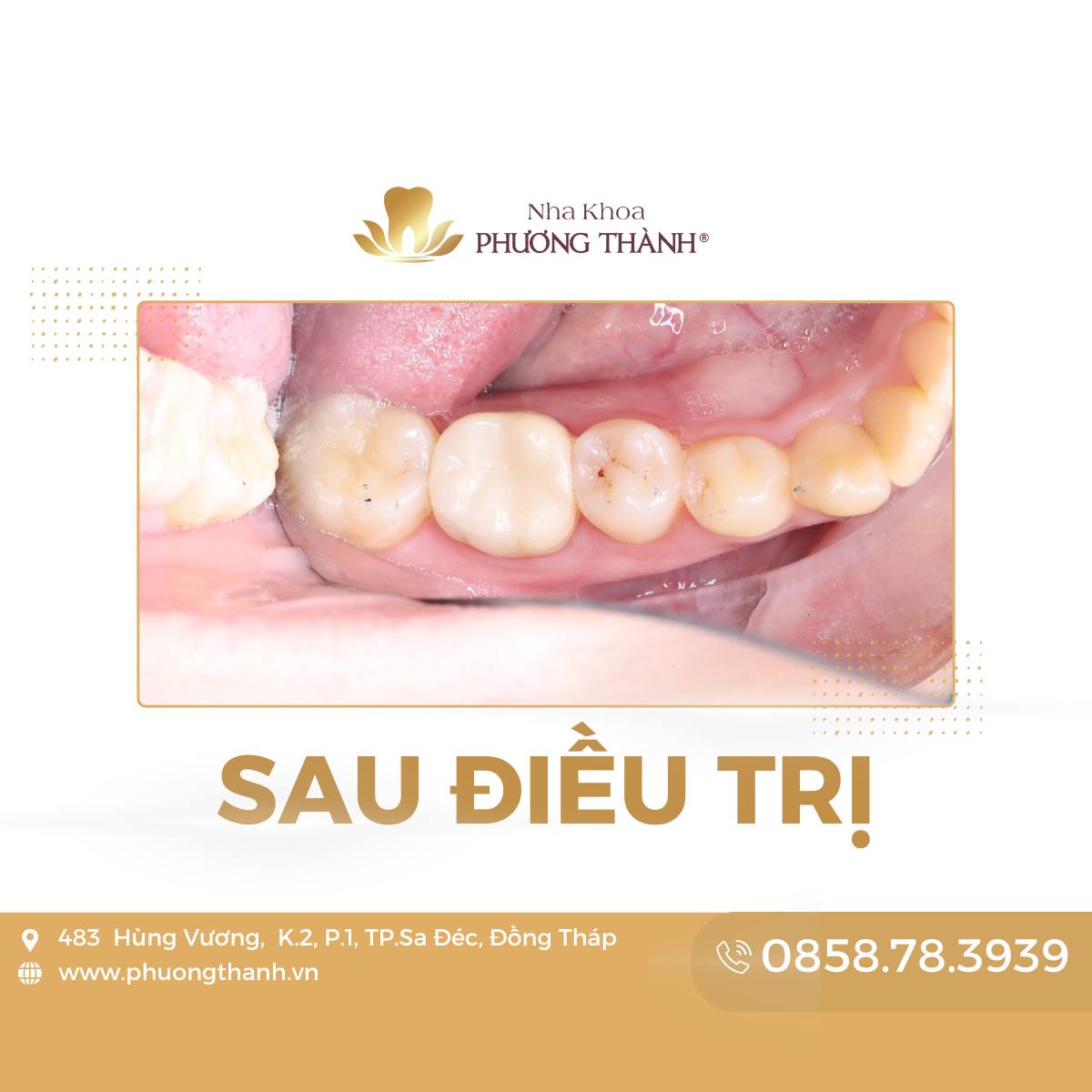 |
After treatment, the patient’s pain and discomfort were significantly improved, and the tooth was restored in terms of both function and aesthetics. This is one example showing how proper technique and appropriate restorative planning play a crucial role in maintaining long-term oral health.
However, for cases that have already undergone prior treatment and developed complications, the long-term prognosis still requires periodic follow-up to ensure the tooth remains stable over time.
Treating dentist: Dr. Ha Minh Man
At Phuong Thanh Dental Clinic, cases involving root canal–treated teeth with complications are carefully examined using clinical evaluation combined with radiographic imaging, allowing the dentist to determine the most appropriate management for each specific condition. The goal of treatment is not only to relieve immediate symptoms, but also to preserve the natural tooth, restore function, and maintain long-term stability.
One of the biggest concerns for patients considering dental implants is not necessarily the implant placement itself, but: “After getting...
Dental Floss – A Small Tool with a Big Role in Oral Care Dental floss is one of the oral...

Parents should not overlook common oral health problems in children such as tooth decay, gingivitis, pulpitis, and tongue-tie. Early detection...
What Are Exogenous Chromogenic Stains on Teeth? Images of Exogenous Chromogenic Stains on Teeth Exogenous chromogenic stains on teeth are...
WORKING HOURS