

Dental Implants – Get Your Teeth Immediately, Without Disrupting Your Life
One of the biggest concerns for patients considering dental implants is not necessarily the implant placement itself, but: “After getting...
 Published: 08/11/2024
Dental Knowledge
Published: 08/11/2024
Dental Knowledge
Wisdom teeth are the third molars, usually located at the very back of the dental arch. Compared with other teeth, wisdom teeth tend to appear later and are more likely to cause discomfort or oral health problems if they erupt at an angle, remain impacted, or do not have enough space on the dental arch.
Not everyone develops wisdom teeth at the same age or experiences the same symptoms. In fact, the timing and symptoms of wisdom tooth eruption can vary from person to person, depending on individual factors, eruption direction, and jawbone structure.
In general, wisdom teeth begin to erupt from around the age of 18 onward, when the tooth replacement process has been completed and the permanent dentition is mostly stable.
Most wisdom teeth usually erupt between 18 and 25 years old. This is the stage when:
However, some people may develop wisdom teeth earlier or later, and in some cases, wisdom teeth may not fully erupt or may remain impacted within the jawbone.
The eruption process of wisdom teeth usually does not occur continuously in just one phase as many people think. Instead, the teeth may erupt in stages, alternating between periods of discomfort and periods of temporary stability.
In some people, wisdom teeth may:
The eruption time of wisdom teeth depends on many factors such as:
Therefore, it is not possible to determine exactly how long a wisdom tooth will take to erupt without a clinical examination and dental imaging.
When wisdom teeth begin to emerge, patients may experience a range of symptoms from mild to more noticeable, especially if the back area is difficult to clean or the tooth is erupting unfavorably.
This is the most common sign when wisdom teeth erupt. The pain may occur in:
The pain may be dull or may worsen when chewing, opening the mouth, or touching the gum around the tooth.
When a wisdom tooth is only partially erupted, the gum area behind it is often difficult to clean and can easily trap food and bacteria. This may cause:
This is a fairly common sign but is often overlooked if not carefully checked.
When wisdom teeth erupt along with an inflamed gum flap or inflammation of the surrounding soft tissue, patients may notice:
If the swelling persists or recurs frequently, it should be checked to assess the eruption direction and the risk of infection.
When the wisdom tooth area becomes inflamed or swollen, patients may sometimes feel:
This symptom is usually more noticeable when inflammation around the wisdom tooth becomes more severe or keeps recurring.
In some cases of obvious inflammation or infection of the tissue around the wisdom tooth, the body may respond with symptoms such as:
If you have a fever, increasing swelling and pain, or difficulty swallowing, you should seek dental care early to avoid the spread of infection.
Many people assume that every wisdom tooth must be extracted as soon as it appears. However, in reality, not all wisdom teeth need to be removed.
Dentists usually recommend monitoring or extraction depending on factors such as:
Cases where wisdom teeth are impacted, erupting at an angle, causing recurrent inflammation, or affecting the second molar are often considered for earlier treatment.
You should see a dentist if you experience any of the following signs:
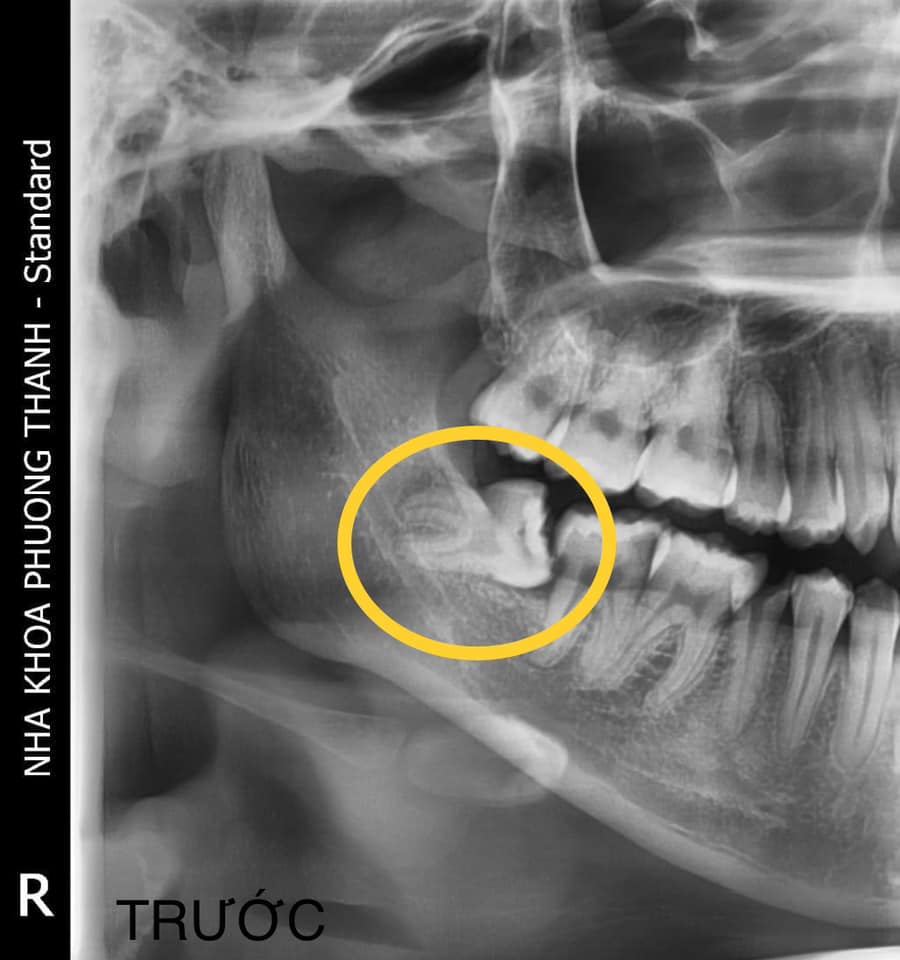
A clinical examination and dental imaging help the dentist accurately assess the position, eruption direction, and degree of impact of the wisdom tooth, allowing for a more appropriate and safer treatment plan.
 |
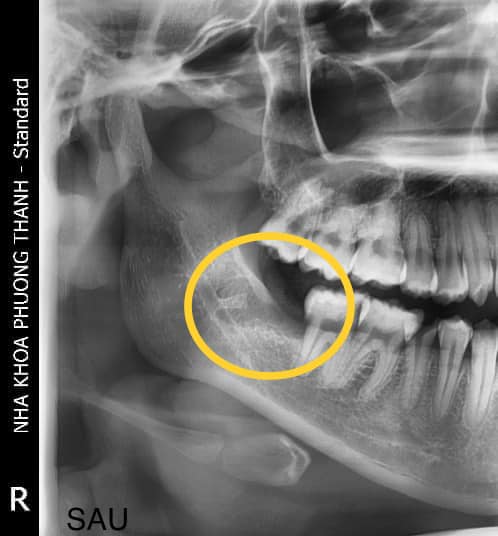 |
At Phuong Thanh Dental Clinic, wisdom tooth cases are carefully evaluated by the dentist in combination with dental imaging to assess tooth position and jawbone structure before any treatment recommendation is made. Timely examination helps detect wisdom tooth-related issues early and supports the selection of a more suitable treatment approach for each individual case.
One of the biggest concerns for patients considering dental implants is not necessarily the implant placement itself, but: “After getting...
Dental Floss – A Small Tool with a Big Role in Oral Care Dental floss is one of the oral...
Parents should not overlook common oral health problems in children such as tooth decay, gingivitis, pulpitis, and tongue-tie. Early detection...
What Are Exogenous Chromogenic Stains on Teeth? Images of Exogenous Chromogenic Stains on Teeth Exogenous chromogenic stains on teeth are...
WORKING HOURS