
Dental Implants – Get Your Teeth Immediately, Without Disrupting Your Life
One of the biggest concerns for patients considering dental implants is not necessarily the implant placement itself, but: “After getting...
 Published: 03/05/2026
Dental Knowledge
Published: 03/05/2026
Dental Knowledge
Gapped teeth are one of the most common dental imperfections. This condition not only affects the aesthetics of the smile but also reduces chewing function. In addition, the spaces between teeth can easily trap food, creating favorable conditions for bacteria to grow and increasing the risk of oral diseases. So, what causes gapped teeth, how do they affect oral health, and what are the most effective treatment methods?
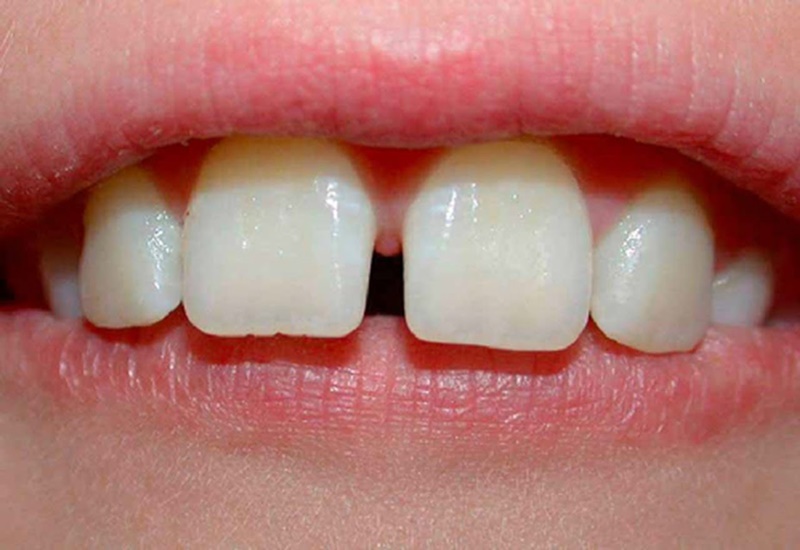
Gapped teeth (also known as spaced teeth) refer to a condition where the teeth on the dental arch do not grow closely together, leaving large or uneven spaces between them. This condition can easily be noticed with the naked eye through visible gaps and misaligned teeth. If prolonged, gapped teeth not only affect aesthetics but may also cause bite misalignment and reduced chewing function.
The condition of gapped teeth can result from many different causes. Below are some of the most common reasons:
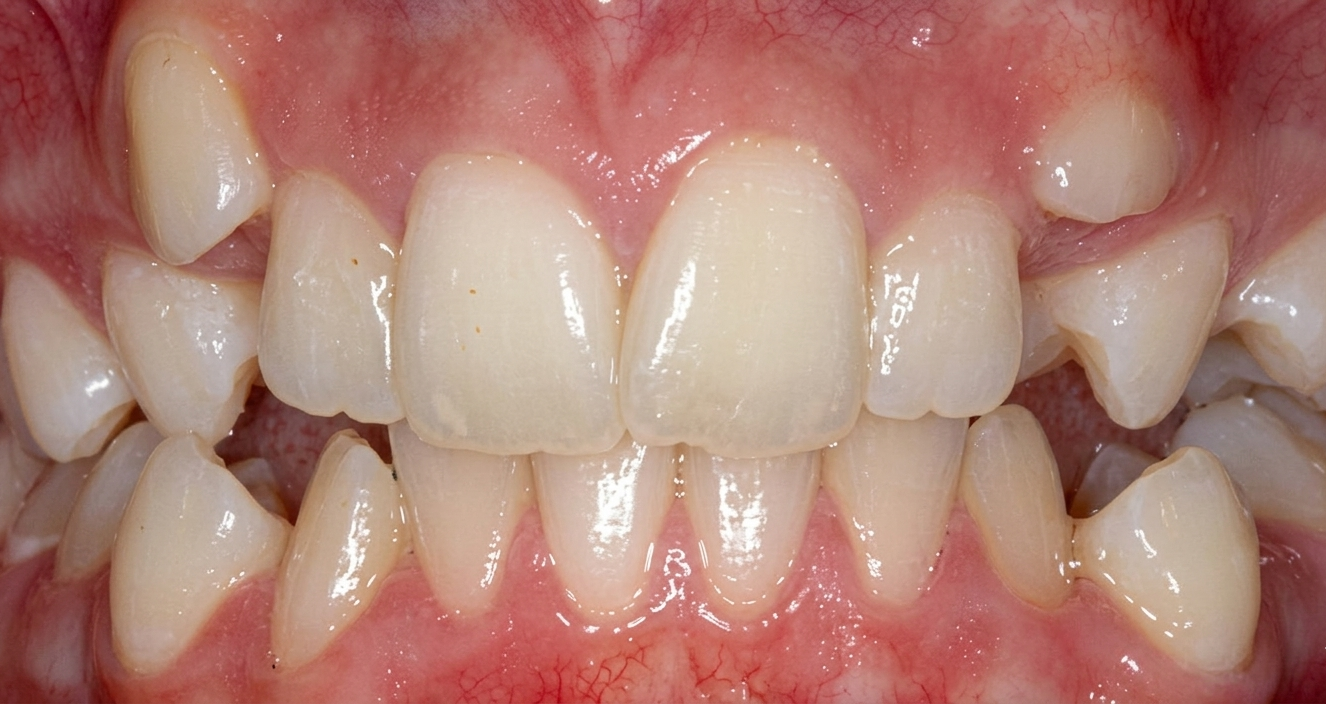
Impacted or improperly positioned teeth not only affect the bite but are also one of the causes of gapped teeth. When teeth erupt in the wrong position, the structure of the dental arch becomes disrupted, creating spaces between teeth and reducing smile aesthetics.
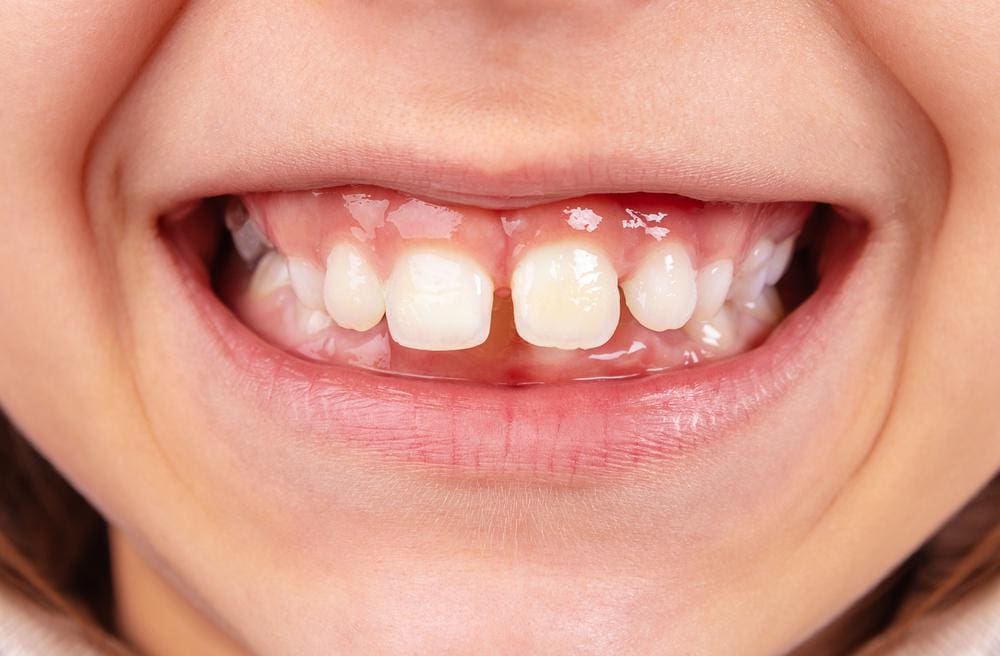
Some cases of gapped teeth are caused by congenital or hereditary factors. If tooth buds develop abnormally, such as protruding, buck teeth, or incorrect eruption direction, the teeth may not align properly on the dental arch. This creates spaces between teeth, making the gaps more noticeable over time.
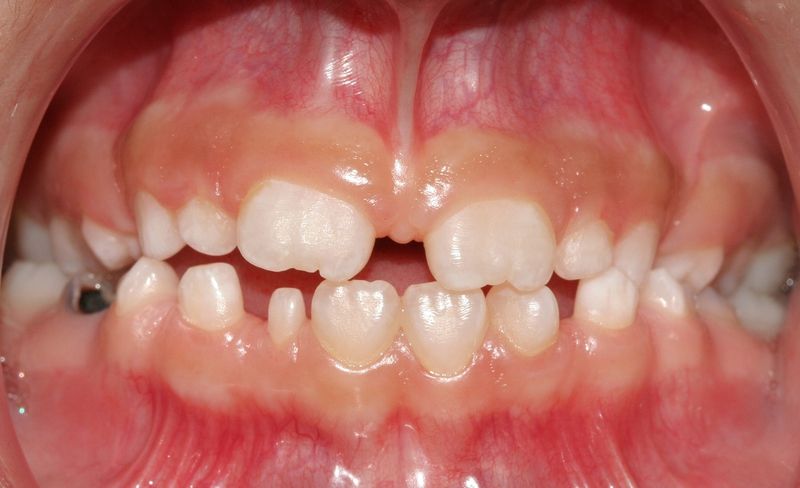
Gapped teeth may also occur due to a mismatch between tooth size and jawbone size. If the teeth are small while the jawbone is wide, the teeth cannot fully fill the dental arch, resulting in spaces between teeth.
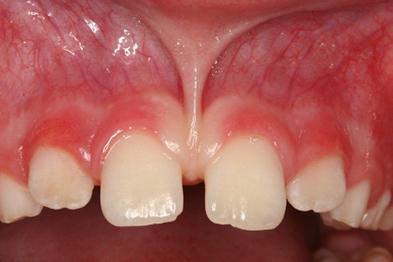
A low upper labial frenum attached between the upper front teeth is a common cause of large gaps in the front teeth area. This condition not only affects aesthetics but may also make the gap between the front teeth more noticeable over time.
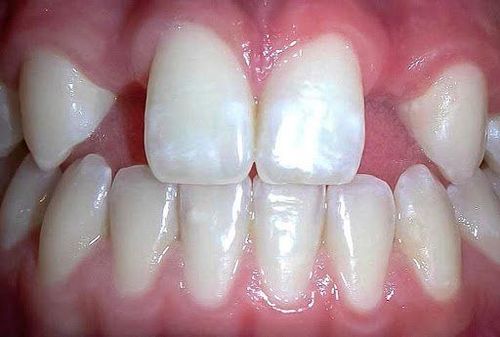
Not everyone develops a full set of teeth. In some people, congenital missing teeth create empty spaces on the jaw. Over time, neighboring teeth tend to tilt or shift toward the missing tooth area, causing misalignment and making the teeth appear more spaced apart.
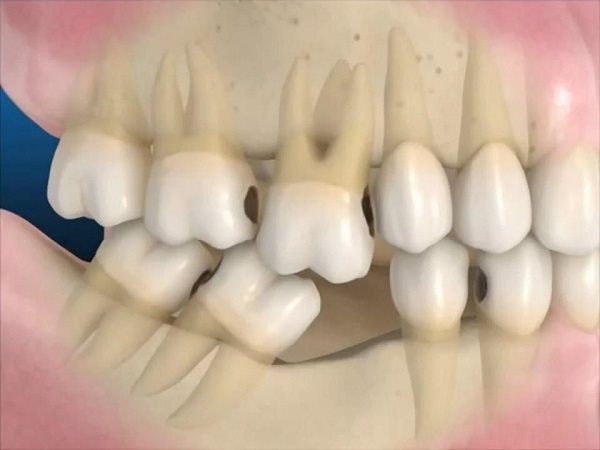
Dental conditions such as tooth decay, tooth abrasion, gingivitis, or periodontitis, if not detected and treated promptly, can lead to many complications. One of them is gapped teeth caused by damage to tooth structure and supporting tissues over time.
Some seemingly harmless habits, such as using toothpicks after meals, brushing too hard, or using dental floss incorrectly, are common causes of gapped teeth in both the upper and lower jaws. These repeated impacts can wear down the spaces between teeth, damage the gums, and gradually cause gum recession. Over time, the gaps between teeth widen and tooth roots become more exposed.
In some cases, gapped teeth appear because teeth naturally shift over time, which is often more noticeable in children. Even after teeth have grown relatively stable on the dental arch, they may continue to move and gradually separate, making the gaps increasingly obvious.
Gapped teeth not only affect appearance but also impact chewing function and oral health. Specifically:
Spaces between teeth easily trap food particles. If not cleaned properly, bacteria will accumulate and grow, increasing the risk of gingivitis, periodontitis, tooth decay, or even tooth loss.
Gapped teeth may also affect pronunciation, especially sounds that require precise coordination between the teeth, tongue, and lips. This can sometimes make speech unclear or create difficulties when learning foreign languages.
People with gapped teeth, especially gaps in the upper jaw or front teeth area, often reveal noticeable spaces when smiling or talking. This can make many people feel less confident in daily communication.
When teeth are not closely aligned, their support and stability may decrease, making them more prone to loosening. At the same time, long-term accumulation of plaque, food debris, and bacteria increases the risk of periodontitis, bone loss around the teeth, and eventually tooth loss if not treated promptly.
Gapped teeth can alter the natural arrangement of teeth on the dental arch, leading to bite misalignment. If prolonged, this condition may affect chewing ability, put pressure on the jaw, and negatively impact the digestive system.
So, how can gapped teeth be treated? Depending on the cause, severity of the gaps, and actual oral condition, dentists may recommend the following treatment methods:
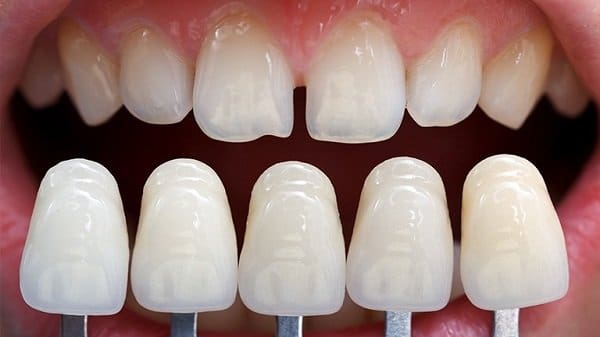
Dental crowns help close gaps by using ceramic crowns with a color and shape similar to natural teeth, placed over prepared teeth. This method improves both aesthetics and chewing function in a short period. However, any oral diseases must be treated beforehand, and some natural tooth structure usually needs to be reshaped.
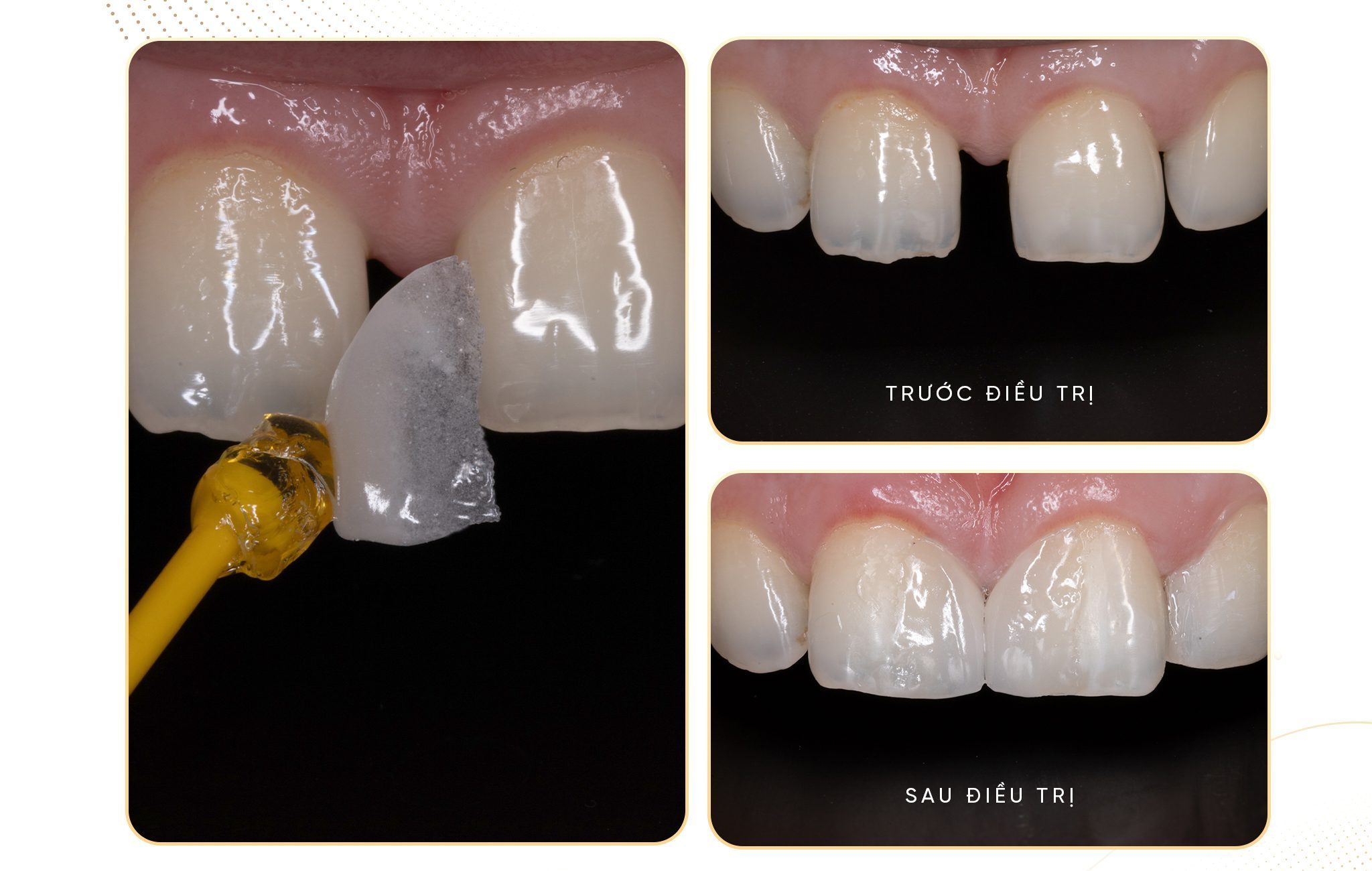
Veneers are a modern cosmetic dental solution suitable for mild cases of gapped teeth. The dentist lightly reshapes a very thin layer of the tooth surface and bonds a porcelain shell onto the front surface to close the gaps while improving tooth shape and color. This option preserves more natural tooth structure compared to crowns.
 |
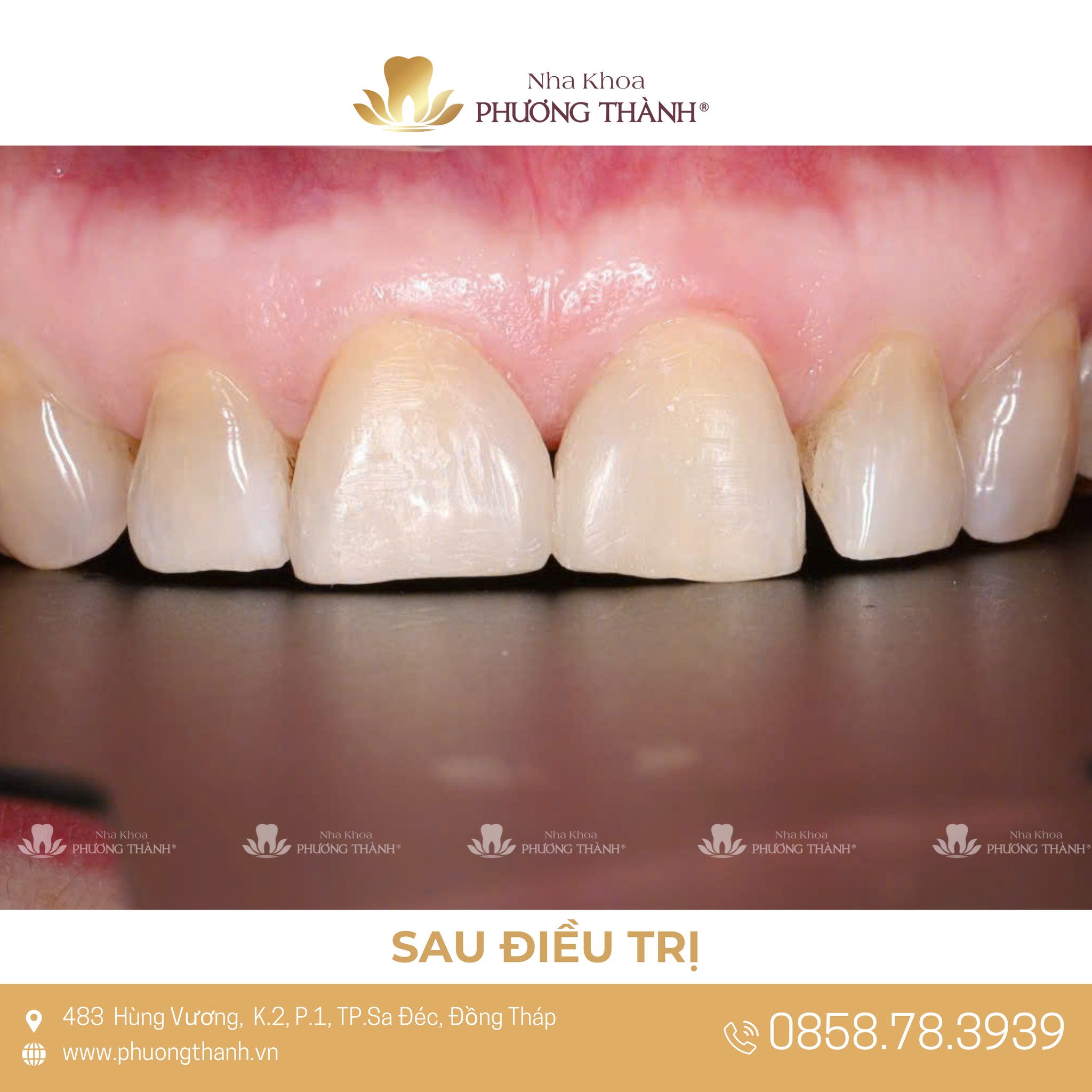 |
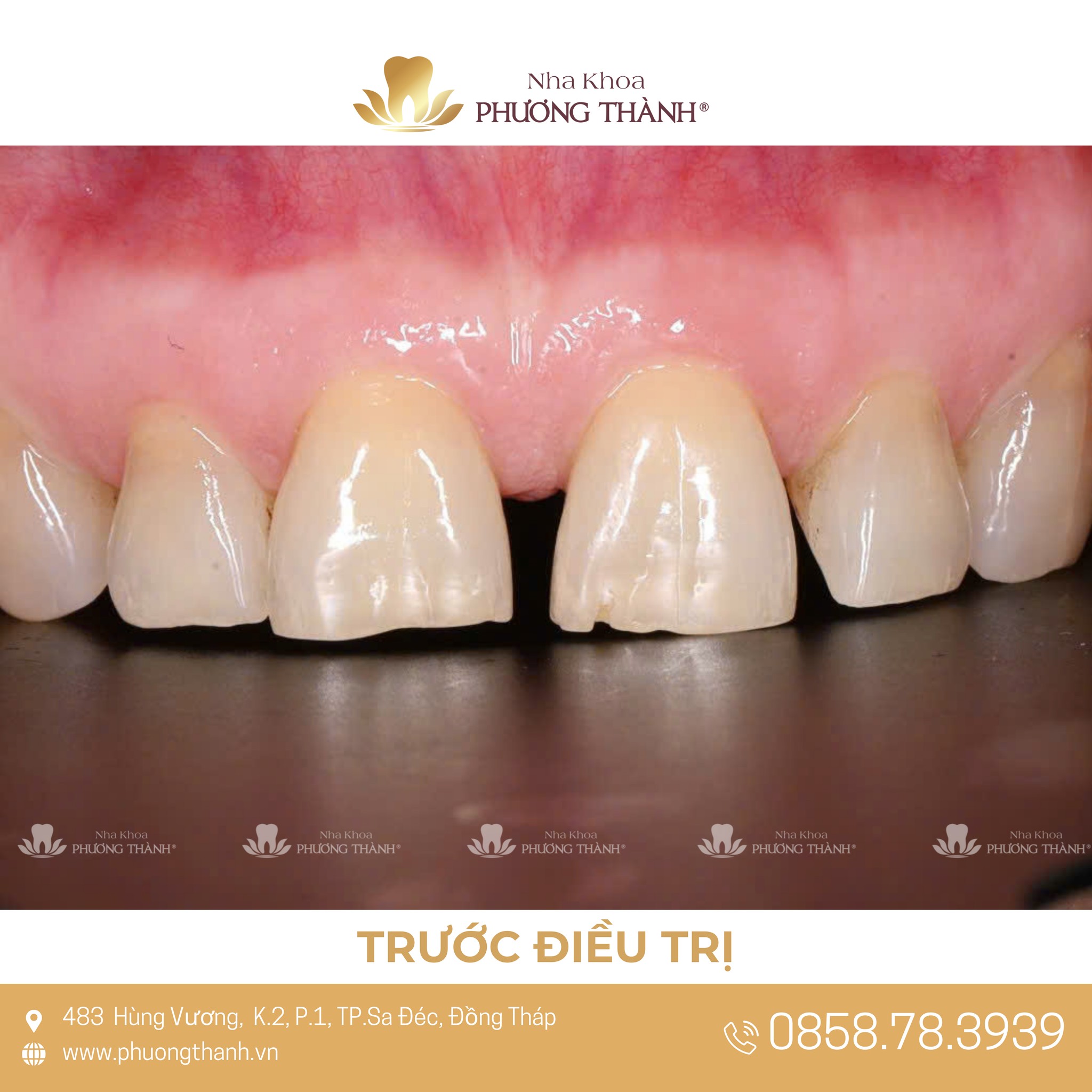
Dental bonding is a quick solution for improving gapped teeth by using tooth-colored materials such as Composite, GIC, Inlay – Onlay, etc., to fill the spaces between teeth. This method is usually suitable for small gaps of 2mm or less.
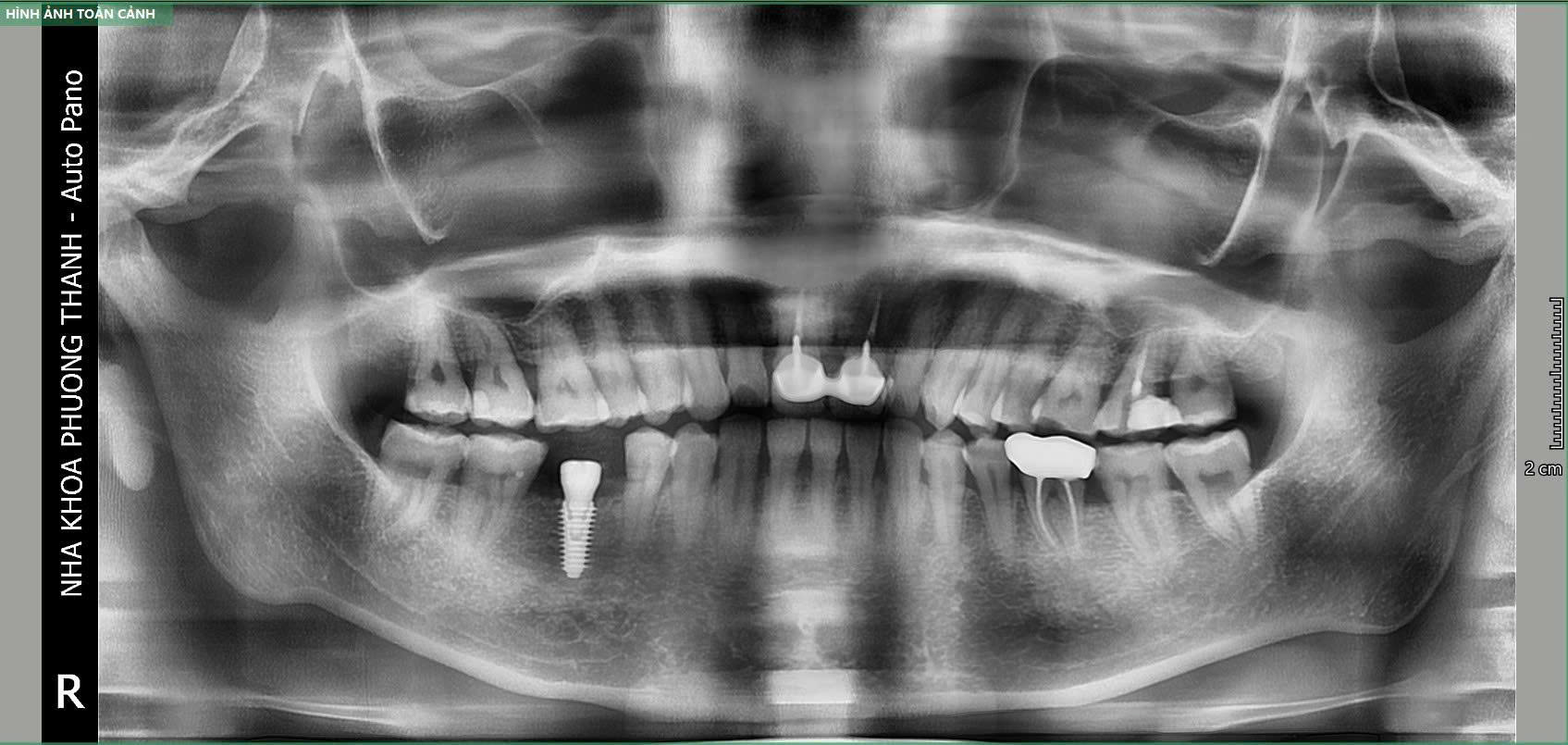
Dental implants are suitable for cases where gapped teeth are caused by missing teeth. The dentist places an implant post into the jawbone to replace the missing tooth root, then attaches a ceramic crown on top to restore chewing function and aesthetics. This method helps preserve adjacent teeth and minimize jawbone loss.
In general, gapped teeth not only affect appearance but also impact chewing function and oral health. Therefore, you should not ignore this condition and should visit a reputable dental clinic early for appropriate, safe, and effective treatment advice.
 |
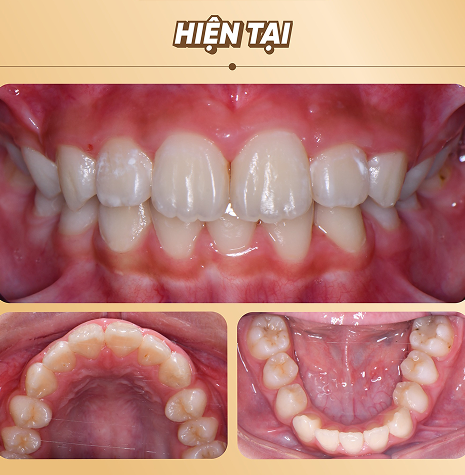 |
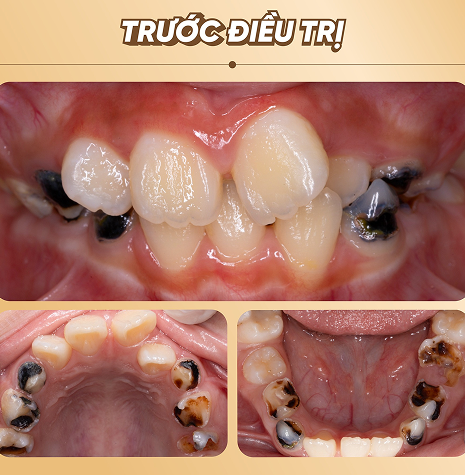
Orthodontics is a comprehensive treatment method that helps close gaps and move teeth into the correct position using orthodontic appliances such as braces or clear aligners. After treatment, the teeth become more aligned and the bite is improved. However, treatment time usually lasts from 1–2 years depending on each case.
Besides understanding treatment methods for gapped teeth, patients should also pay attention to several important factors to achieve effective treatment results, save time, and reduce risks:
You should visit a trustworthy dental clinic with highly qualified and experienced dentists. This helps ensure more accurate diagnosis and an appropriate treatment plan tailored to each patient’s oral condition.
During the treatment process, patients should follow all oral care instructions, attend scheduled check-ups, and seek examination immediately if any abnormal signs appear.
Maintain the habit of brushing at least twice a day using a soft-bristled toothbrush, combined with interdental brushes, dental floss, water flossers, and mouthwash. Proper oral hygiene helps effectively remove plaque, protect healthy teeth and gums, and support long-term treatment results.
At Phuong Thanh Dental Clinic, gapped teeth are carefully examined to determine the cause and severity of the spaces between teeth, allowing dentists to recommend the most suitable treatment for each individual case.
Depending on the actual condition, dentists may recommend solutions such as cosmetic bonding, veneers, dental crowns, orthodontic treatment, or dental implants if the gaps are caused by missing teeth. Each method aims to improve smile aesthetics, create more aligned teeth, and enhance chewing function.
For mild cases of gapped teeth, cosmetic methods such as dental bonding or veneers may provide quick improvements. Meanwhile, orthodontic treatment is often suitable for larger gaps or misaligned teeth, helping move teeth into the correct position and improve bite alignment in the long term.
Throughout the treatment process at Phuong Thanh Dental Clinic, patients are periodically monitored and guided on proper oral care to maintain stable results and minimize the risk of tooth movement or recurring gaps over time.
One of the biggest concerns for patients considering dental implants is not necessarily the implant placement itself, but: “After getting...
Dental Floss – A Small Tool with a Big Role in Oral Care Dental floss is one of the oral...

Parents should not overlook common oral health problems in children such as tooth decay, gingivitis, pulpitis, and tongue-tie. Early detection...
What Are Exogenous Chromogenic Stains on Teeth? Images of Exogenous Chromogenic Stains on Teeth Exogenous chromogenic stains on teeth are...
WORKING HOURS