




Dental Implants – Get Your Teeth Immediately, Without Disrupting Your Life
One of the biggest concerns for patients considering dental implants is not necessarily the implant placement itself, but: “After getting...
 Published: 18/08/2025
Dental Knowledge
Published: 18/08/2025
Dental Knowledge
After tooth extraction, especially wisdom tooth removal, diet plays a very important role in the recovery process. In the early stage after extraction, the body will form a blood clot in the socket, which acts as a natural protective layer to cover the injured area, support healing, and reduce the risk of infection.
If not cared for properly or if inappropriate foods are chosen, this blood clot may be dislodged too early, increasing the risk of prolonged pain, renewed bleeding, or complications such as dry socket.
Therefore, what you eat after tooth extraction is not only a matter of nutrition but also directly affects the speed of recovery and the stability of the wound during the first few days.
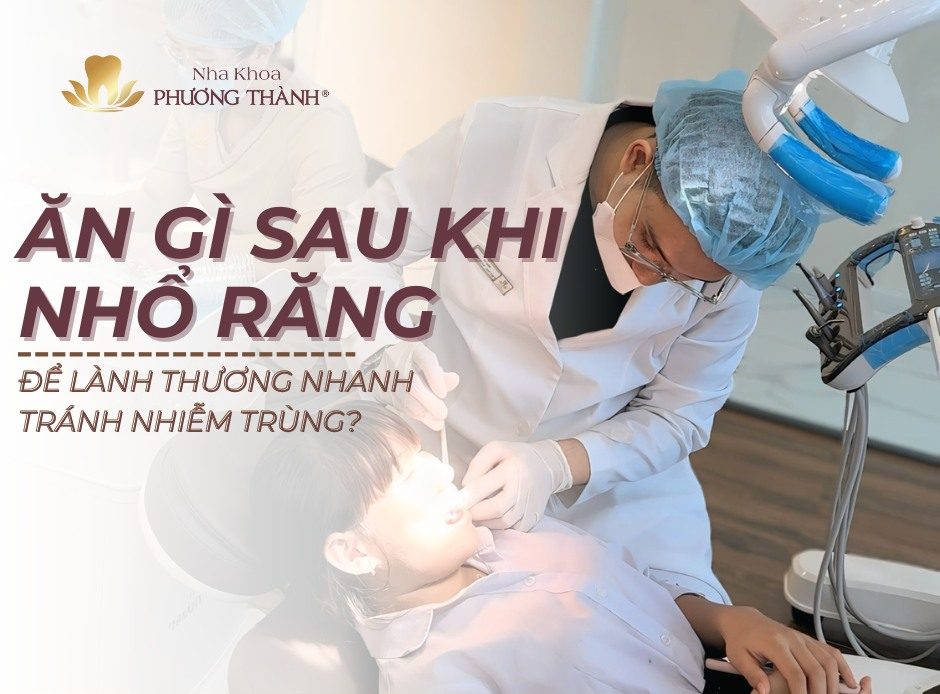
During the first 24–72 hours, the extraction area is still very sensitive and is in the initial stage of tissue healing. Eating properly will help:
In particular, the first 3 days after tooth extraction are usually the period that requires the most careful care.

During the first few days, soft-textured foods should be prioritized to reduce pressure on the extraction site and minimize the risk of injuring the healing tissue.
Some suitable options include:
These foods are easy to eat and help patients maintain energy without requiring much chewing.
Protein, vitamins, and minerals are important factors in tissue regeneration and wound healing.
Patients can supplement with:
However, if drinking fruit juice, it is recommended to eat it with a spoon or drink directly from a cup, and avoid using a straw to prevent suction on the extraction site.
Adequate hydration helps the body maintain the healing process and reduces the feeling of fatigue after the procedure. Drink in small, gentle sips and avoid alcoholic or stimulating beverages during the first few days.
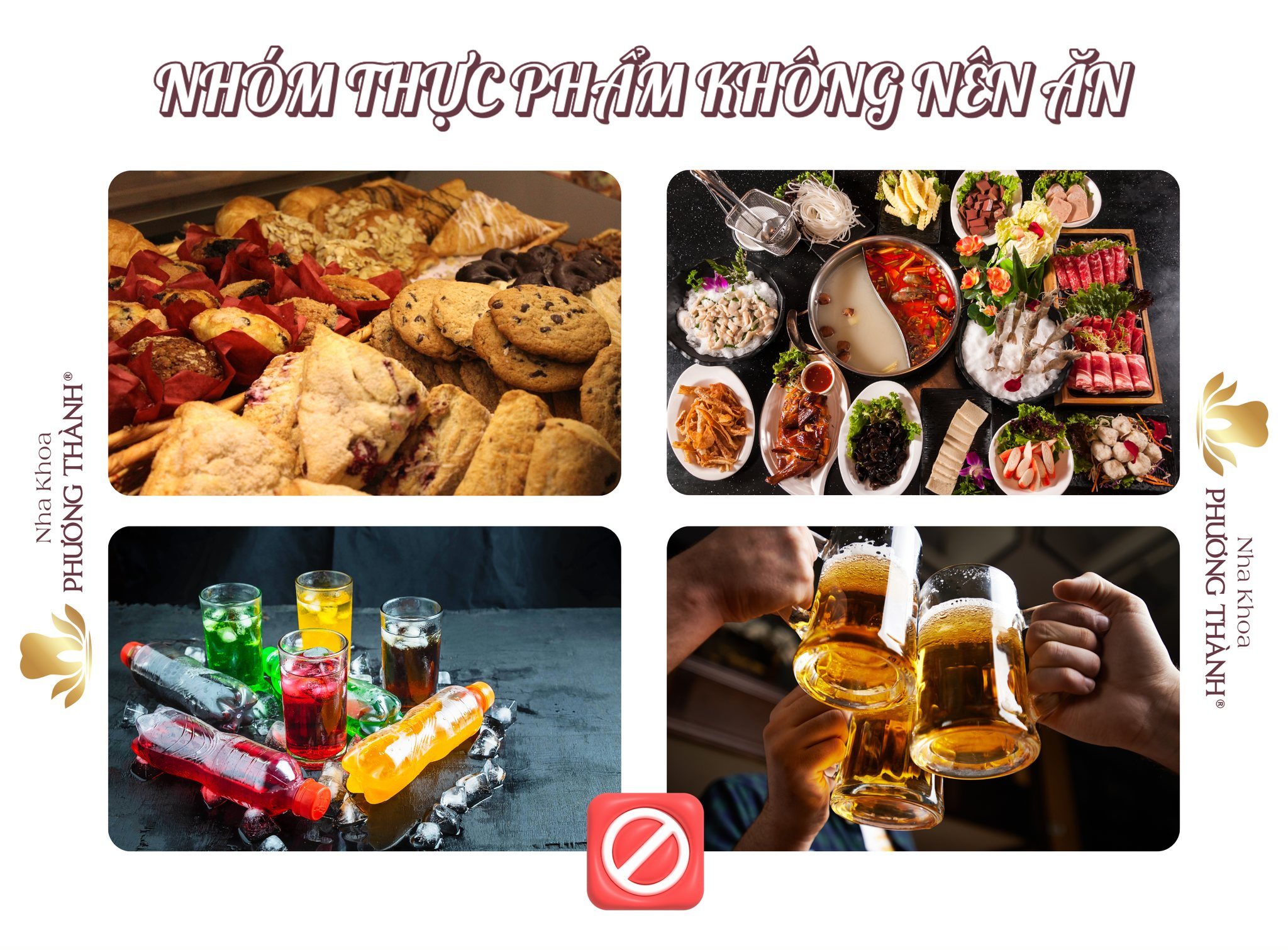
Foods that require strong chewing force or can easily get stuck in the extraction area may affect the blood clot and cause localized pain.
Avoid:
These foods may increase the risk of renewed bleeding or irritate the healing area.
Hot foods can dilate blood vessels in the extraction area, thereby increasing the risk of bleeding or causing discomfort. Spicy foods may also irritate the mucosa and affect the healing process.
Therefore, during the first few days, it is best to prioritize cool or slightly warm foods and avoid excessively high temperatures.
Highly acidic or sugary foods may irritate the sensitive mucosa and create a favorable environment for bacterial growth if oral hygiene is not maintained properly.
This is one of the most important things to keep in mind. Using a straw can create suction pressure in the mouth, which may dislodge the blood clot in the socket. Similarly, chewing forcefully on the extraction side may unnecessarily disturb the wound.
This increases the risk of dry socket – a common post-extraction complication that often causes severe and prolonged pain.
In addition to eating properly, patients should also pay attention to the following to support recovery:
If abnormal signs appear after tooth extraction such as:
…the patient should return to the dental clinic for early examination and timely treatment.
After tooth extraction, especially during the first 3 days, choosing appropriate foods can make a big difference in the recovery process. Not only do patients need to eat enough to maintain their health, but they also need to eat properly to protect the extraction socket, support healing, and reduce the risk of complications.
A soft, gentle, and appropriate diet during the first few days after tooth extraction will help the injured area heal more smoothly while significantly reducing discomfort during the recovery period.
One of the biggest concerns for patients considering dental implants is not necessarily the implant placement itself, but: “After getting...
Dental Floss – A Small Tool with a Big Role in Oral Care Dental floss is one of the oral...
Parents should not overlook common oral health problems in children such as tooth decay, gingivitis, pulpitis, and tongue-tie. Early detection...
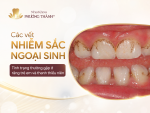
What Are Exogenous Chromogenic Stains on Teeth? Images of Exogenous Chromogenic Stains on Teeth Exogenous chromogenic stains on teeth are...
WORKING HOURS