



Dental Implants – Get Your Teeth Immediately, Without Disrupting Your Life
One of the biggest concerns for patients considering dental implants is not necessarily the implant placement itself, but: “After getting...
 Published: 08/09/2024
Dental Knowledge
Published: 08/09/2024
Dental Knowledge
Wisdom teeth (also known as third molars) are the last permanent teeth to erupt on the dental arch, typically appearing in early adulthood. Because they emerge after the jaw has nearly completed its development, wisdom teeth often do not have enough space to grow in the correct position, which can easily lead to various oral health issues.
In reality, not every wisdom tooth needs to be removed. However, if the third molar is impacted, misaligned, or causing complications, early examination and treatment are very important to prevent damage to adjacent teeth and overall oral health.
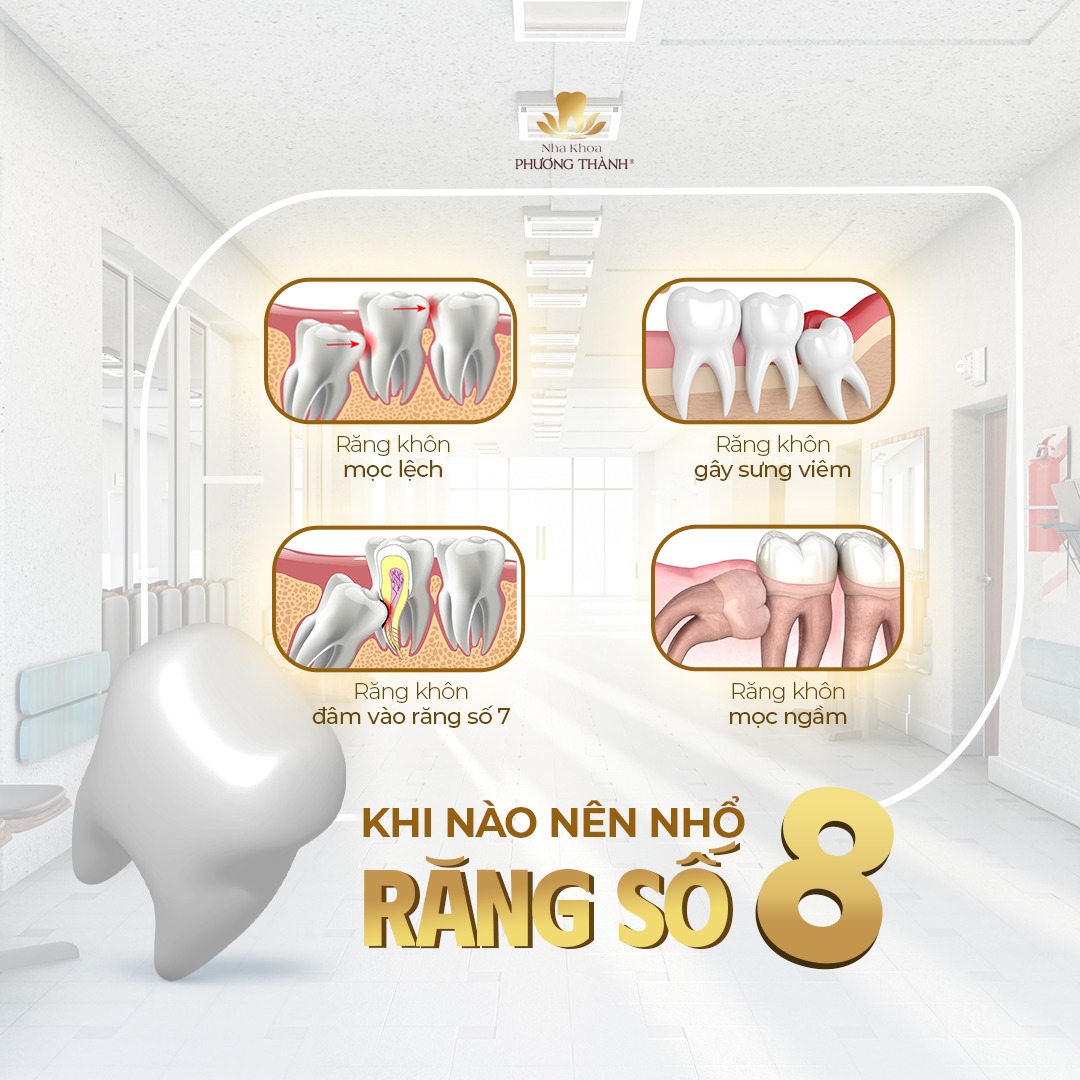
Wisdom tooth extraction is usually indicated when the tooth cannot erupt in the proper direction or is already causing symptoms and local complications.
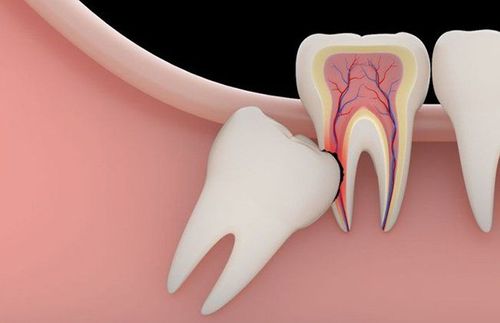
When wisdom teeth grow crooked or overcrowded, they can put pressure on surrounding areas, causing persistent pain, sensitivity, and discomfort.
In particular, if the third molar erupts at an angle and presses against the second molar, the patient may feel pain radiating to the jaw, temple, or experience difficulty when chewing.
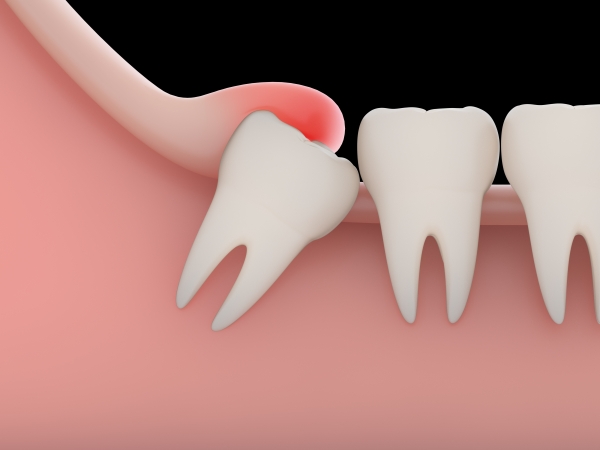
One of the most common conditions during wisdom tooth eruption is pericoronitis – when the gum tissue covering the wisdom tooth becomes swollen, painful, and prone to infection.
If this condition recurs repeatedly, the gum tissue around the tooth may:
In some cases, wisdom teeth may also be associated with jaw cysts or other lesions if they are not monitored and treated in time.
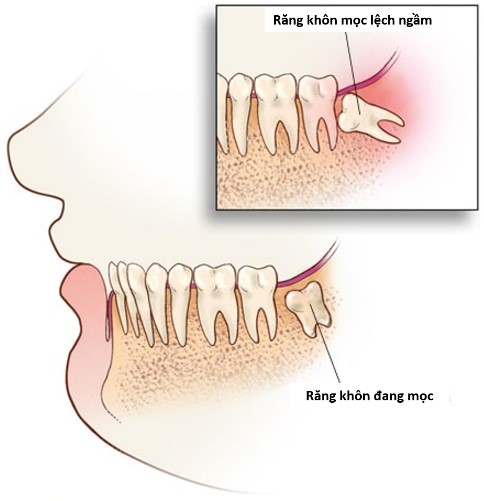
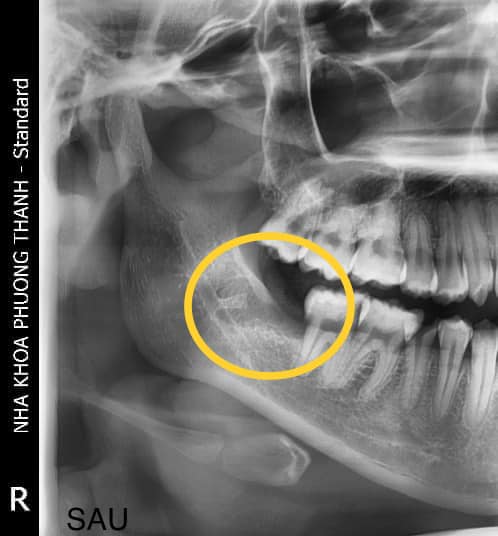
Not all wisdom teeth fully erupt through the gums. In some cases, the third molar may remain partially or completely impacted in the jawbone, yet still silently affect nearby teeth.
Impacted wisdom teeth can:
This condition is often difficult to detect with the naked eye and can only be accurately diagnosed through X-rays or panoramic imaging.
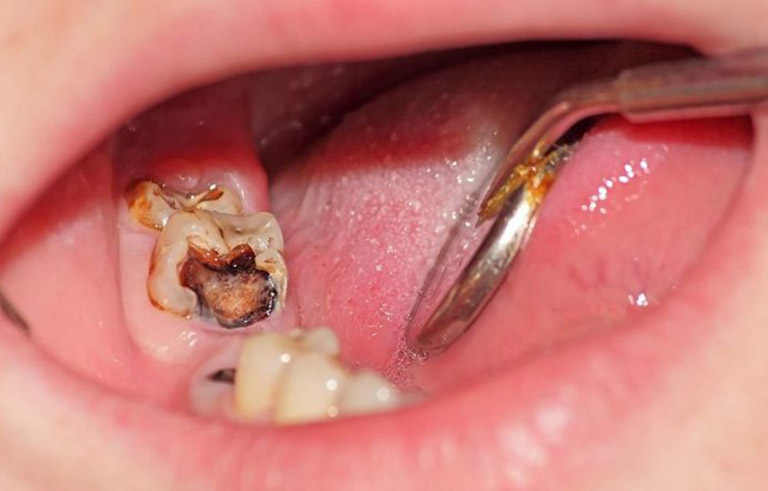
Because they are located at the very back of the dental arch, wisdom teeth are often difficult to clean thoroughly. If they erupt at an angle or only partially emerge, food can easily get trapped between the teeth and in the gum tissue behind them.
This can lead to:
If not treated early, wisdom teeth may not only affect themselves but also damage the adjacent healthy teeth.
The answer is not all wisdom teeth need to be removed. In some cases, if the third molar:
then the dentist may recommend periodic monitoring instead of immediate extraction.
However, because most wisdom teeth carry a potential risk of complications, early examination and radiographic evaluation are very important for choosing the most appropriate treatment plan.
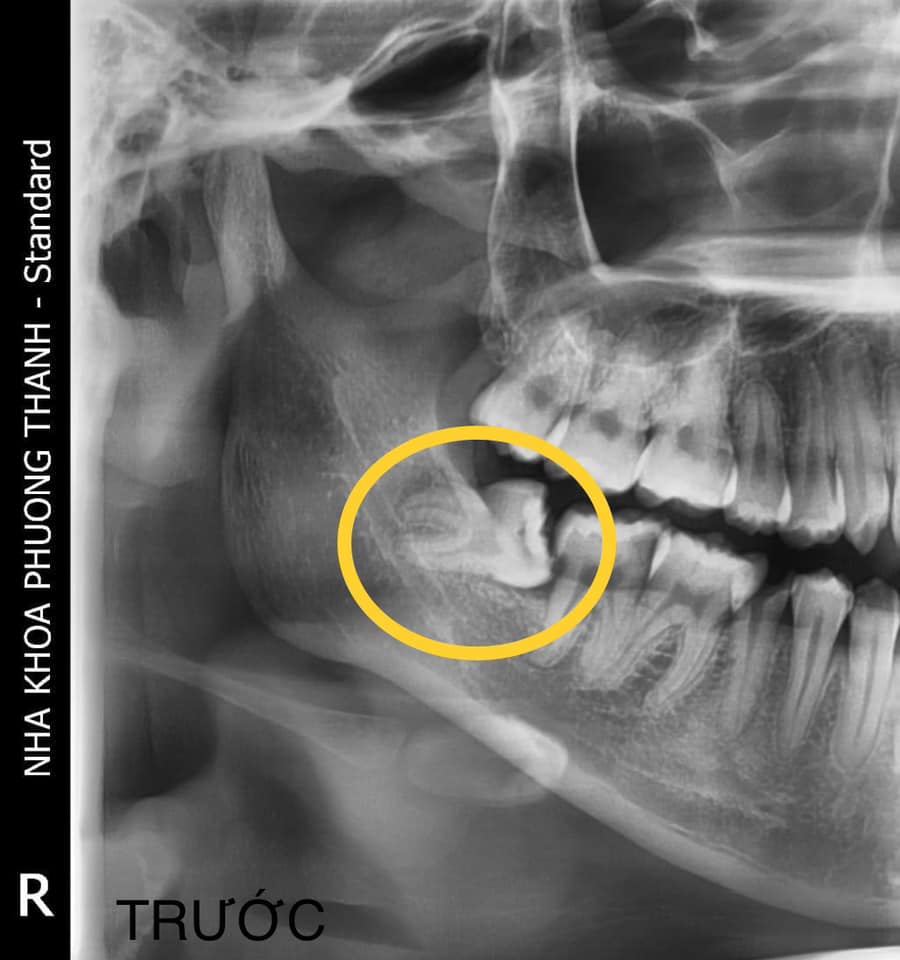 |
 |
At Phuong Thanh Dental Clinic, patients are carefully examined before wisdom tooth extraction is recommended, in order to accurately assess:
With a team of experienced dentists and modern equipment and technology, wisdom tooth treatment is carried out with a focus on safety, precision, and minimizing unnecessary trauma.
If you are experiencing pain, swelling, or suspect an impacted or misaligned wisdom tooth, early examination can help detect and manage the problem in time before it affects your long-term oral health.
One of the biggest concerns for patients considering dental implants is not necessarily the implant placement itself, but: “After getting...
Dental Floss – A Small Tool with a Big Role in Oral Care Dental floss is one of the oral...
Parents should not overlook common oral health problems in children such as tooth decay, gingivitis, pulpitis, and tongue-tie. Early detection...
What Are Exogenous Chromogenic Stains on Teeth? Images of Exogenous Chromogenic Stains on Teeth Exogenous chromogenic stains on teeth are...
WORKING HOURS