


Dental Implants – Get Your Teeth Immediately, Without Disrupting Your Life
One of the biggest concerns for patients considering dental implants is not necessarily the implant placement itself, but: “After getting...
 Published: 26/05/2026
Dental Knowledge
Published: 26/05/2026
Dental Knowledge
Many people think that a mouth ulcer is just ordinary “heat sores”. However, the reality shows that there have been quite a few cases coming for examination just because the ulcer lasted a long time without healing, and the final result was oral cancer.
The danger of oral cancer is not because the disease is rare, but because the early stage usually develops silently, causes little pain, and is very easy to overlook.
Initially, the disease may only manifest as:
This subjective view of these small signs causes many patients to detect the disease only in the late stage.

Oral cancer is a condition where malignant cells appear in the oral cavity. According to international statistics, the world records nearly 355,000 new cases of lip and oral cavity cancer each year.
More than 90% of cases are squamous cell carcinoma — the most common type of cancer in the mouth area.
Cancer can appear in many locations such as:
Among these, tongue cancer is the most common type.

Cigarette smoking is the leading risk factor for oral cancer.
Smokers have about 3 times higher risk of developing the disease compared to non-smokers.
Not only cigarettes, but also:
can all cause prolonged damage to oral mucosa and increase cancer risk.

Alcohol and beer make oral mucosa more vulnerable to injury and increase absorption of carcinogenic substances.
Particularly, when combining tobacco and alcohol, oral cancer risk increases significantly. This is a common factor in many oral cancer patients today.
Most cases of oral cancer occur in people over 50 years old.
However, currently, the disease is showing a trend of affecting younger people due to:
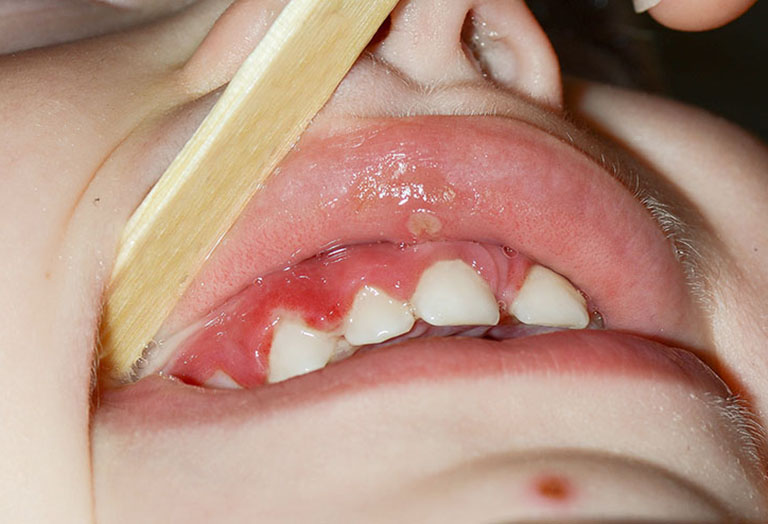
Special attention should be paid if the following appear:
These may be precancerous lesions and need early examination.
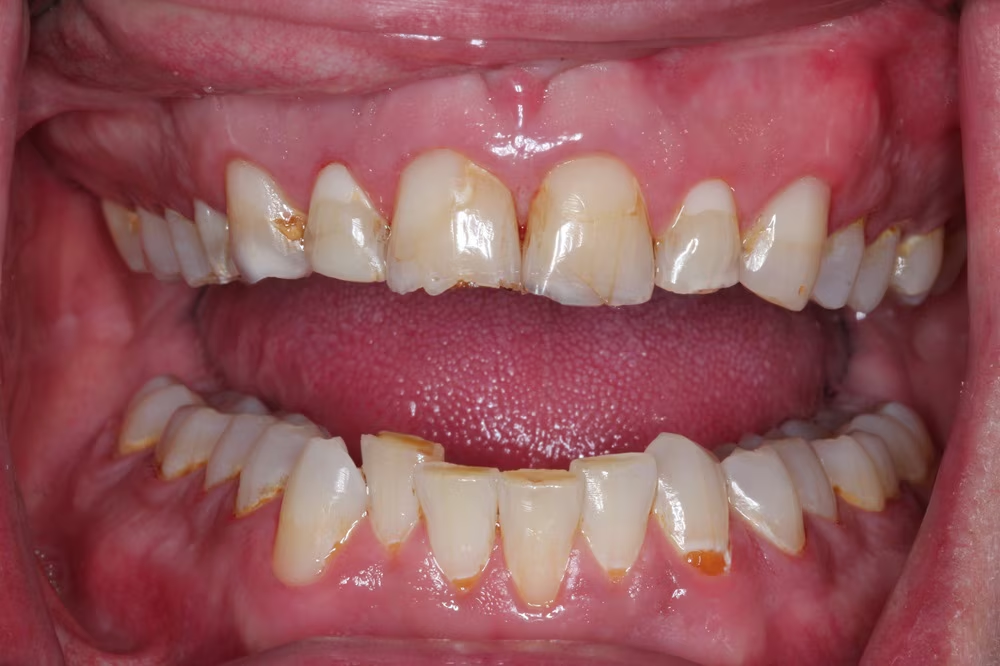
A broken sharp tooth or poorly fitting denture causing prolonged irritation for many years can create chronic irritation on the oral mucosa.
This is a risk factor that many people often overlook.
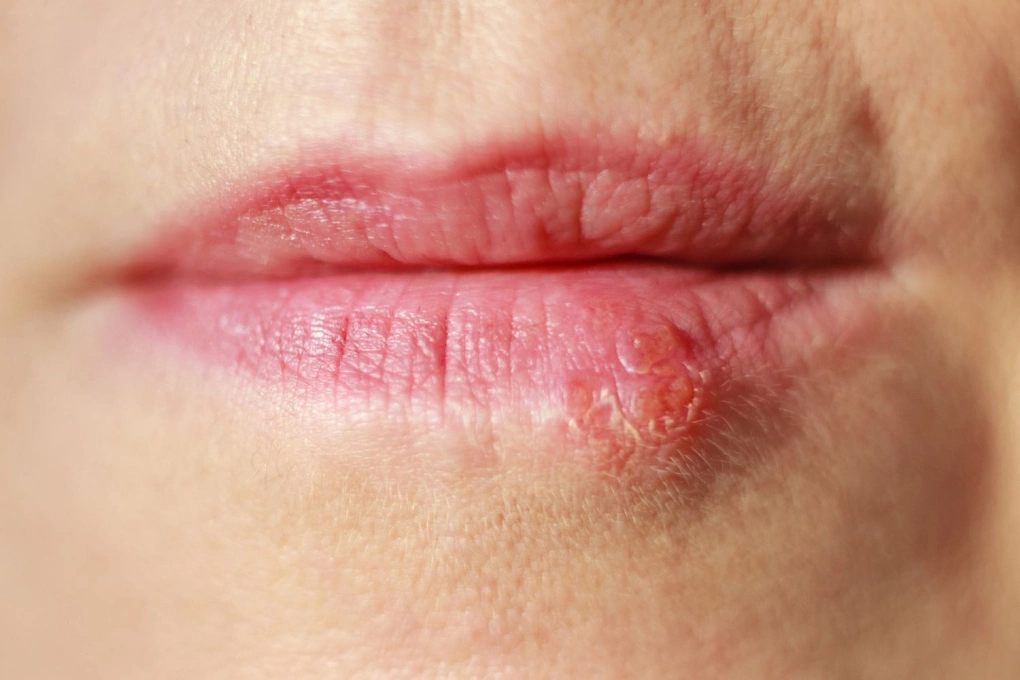
HPV, especially HPV16, is closely associated with cancer of the pharynx and base of tongue.
Currently, many countries report an increasing trend of HPV-related cancer in young people, including those who don’t smoke.
Don’t wait until you have severe pain to see a doctor.
If any of the following signs last more than 2 weeks, patients should see a specialist in Dentistry & Oral Surgery or Otolaryngology as soon as possible:
The answer is yes.
Unlike many other organs in the body, the oral cavity is an area that can be directly observed. Therefore, with regular dental check-ups, dentists can:
Many international studies show that screening and early detection help reduce mortality rates from oral cancer.
Many oral cancer patients once thought:
“It’s probably just a heat sore.”
But many also came to the hospital when the disease was already in the late stage.
Yet, just one early check-up could help detect the disease while treatment is still effective.
Don’t let complacency cost you:
References
Sa Dec Branch: 483 Hung Vuong, Cai Son Block, Sa Dec Ward, Dong Thap Province.
Hotline: 02773 95 6868
Cao Lanh Branch: 783 Pham Huu Lau, Cao Lanh Ward, Dong Thap Province (Dong Thap University Campus)
Hotline: 02773 95 6869
P.T.T
One of the biggest concerns for patients considering dental implants is not necessarily the implant placement itself, but: “After getting...

Dental Floss – A Small Tool with a Big Role in Oral Care Dental floss is one of the oral...

Parents should not overlook common oral health problems in children such as tooth decay, gingivitis, pulpitis, and tongue-tie. Early detection...

What Are Exogenous Chromogenic Stains on Teeth? Images of Exogenous Chromogenic Stains on Teeth Exogenous chromogenic stains on teeth are...
WORKING HOURS