There are people who visit many places for persistent headaches, facial pain, and neck-shoulder stiffness. Some think they have sinusitis, others blame spinal degeneration, stress, or poor posture at work. But few realize that sometimes the cause begins with something very small: an imbalanced bite.
In recent years, modern dentistry has moved beyond just aesthetics or chewing function. Research shows that disharmony between the teeth, chewing muscles, and temporomandibular joint can create a chain of effects spreading to the face, neck, shoulders, body posture, and overall quality of life. This is also why an increasing number of chronic pain cases are now approached from a multidisciplinary perspective, including occlusal function assessment.
1. A Modern Perspective on the Relationship Between Bite, Facial Pain, Neck-Shoulder Pain, and Body Posture
For many years, most people believed dentistry was only about cavities, tooth loss, or smile aesthetics. However, modern medicine today views the teeth – jaw – temporomandibular joint system from a much broader perspective: it is not merely a system for chewing, but is closely connected to the muscles, nerves, cervical spine, and postural balance of the entire body.
As a result, more and more patients present with symptoms that seem unrelated to dentistry but actually stem from occlusal imbalance or temporomandibular joint dysfunction, such as:
- Persistent headaches
- Unexplained facial pain
- Neck and shoulder stiffness
- Temporal muscle tension
- Pain around the ears
- Clicking sounds in the joint when opening the mouth
- Teeth grinding during sleep
- Sensation of jaw misalignment
- Changes in head and neck posture
In many cases, these manifestations are related to Temporomandibular Disorders (TMD) and occlusal imbalance.
2. How Does the Temporomandibular Joint Work?
2.1. One of the Most Active Joints in the Body
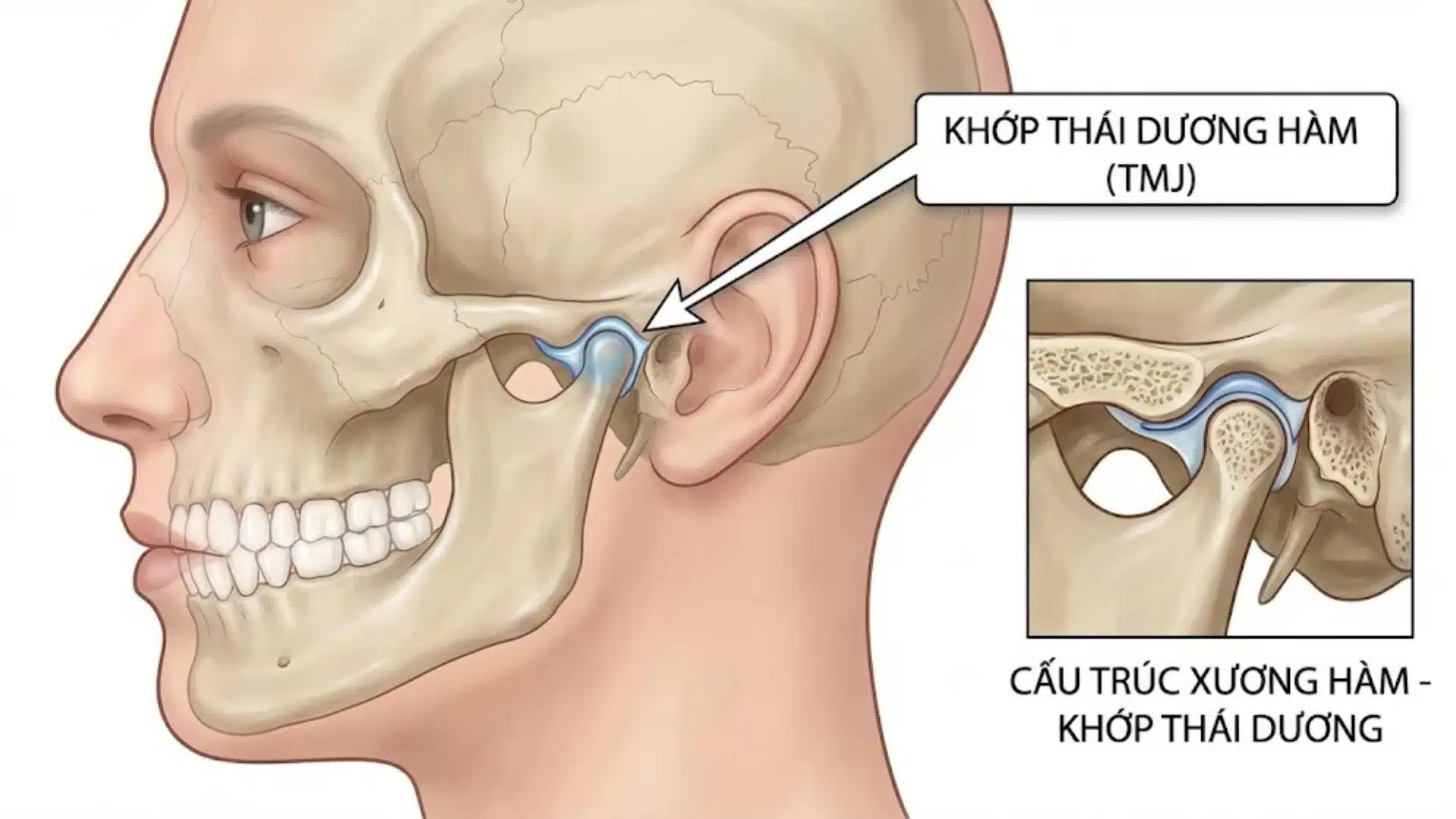
The temporomandibular joint connects the lower jawbone to the base of the skull, located just in front of the ears. It is one of the most active joints in the human body, being involved nearly continuously in activities such as:
- Chewing
- Speaking
- Swallowing
- Facial expressions
Importantly, this system does not operate independently — it is tightly connected to the muscle groups of the head, neck, and shoulders through a complex neuromuscular network.
2.2. What Happens When the Bite Becomes Imbalanced?
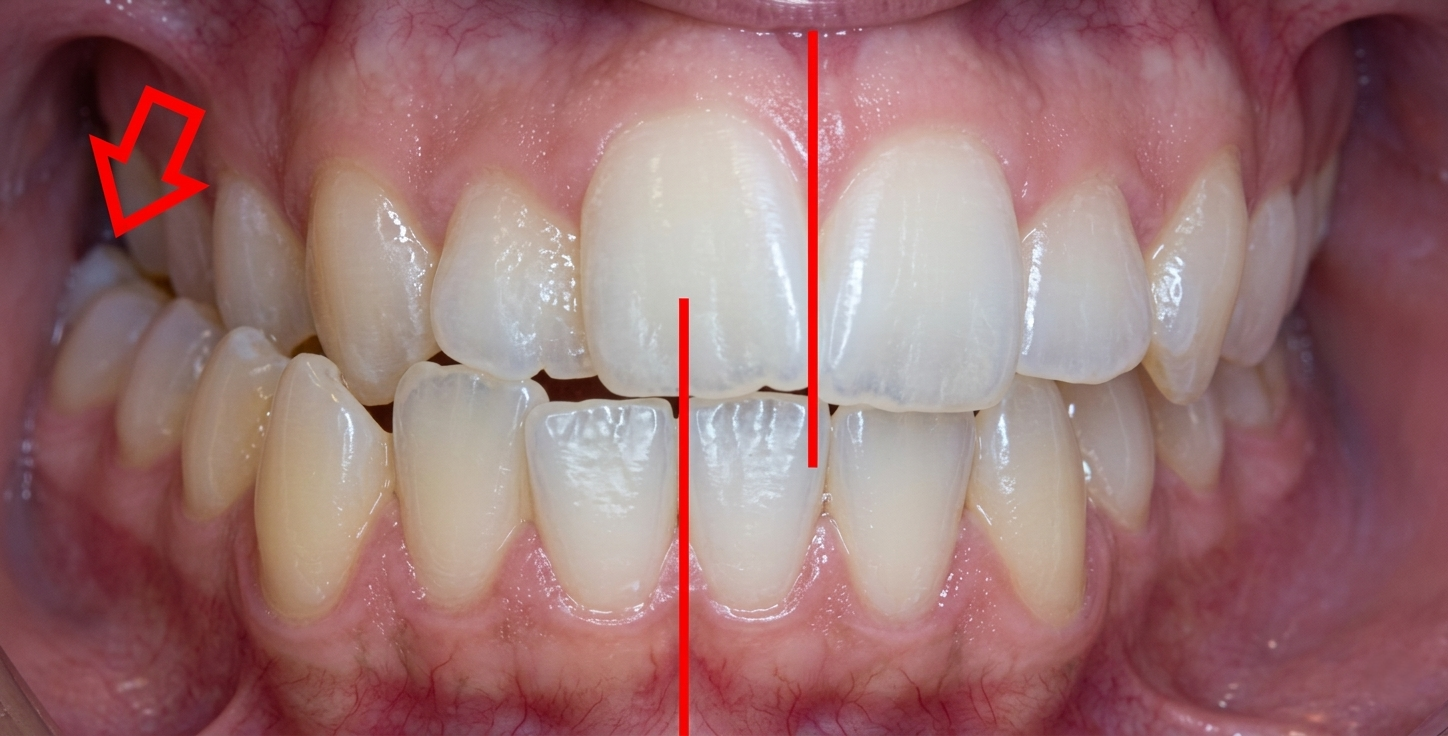
When the bite becomes imbalanced due to:
- Long-term tooth loss
- Malocclusion
- Prolonged teeth grinding
- Ill-fitting dental restorations
- Uneven bite force distribution
…the chewing muscles must continuously compensate to maintain chewing function and jaw stability.
Over time, this overload can lead to:
-
Tightening of the chewing muscles
-
Facial muscle pain
-
Jaw movement imbalance
-
Development of referred pain points (trigger points)
-
Pain radiating down to the neck and shoulders
3. The Relationship Between Bite and Body Posture
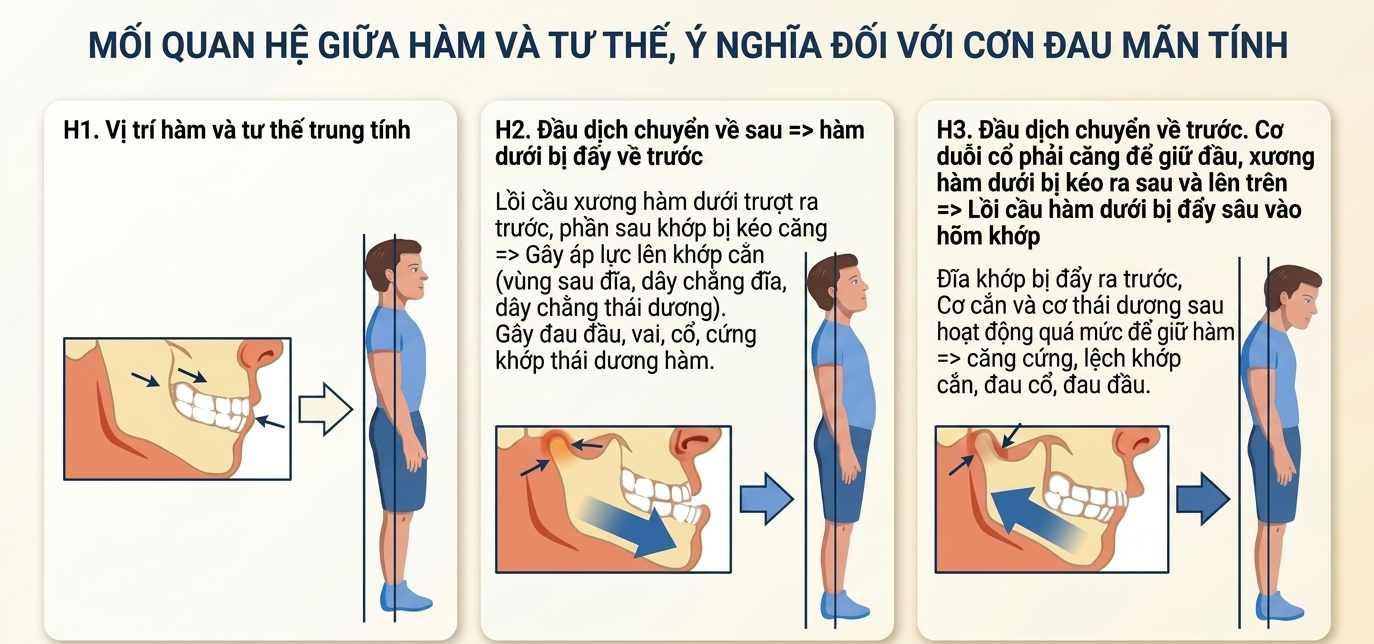
Multiple international studies have documented that patients with TMD often present with concurrent neck-shoulder pain and changes in head and neck posture.
This stems from the anatomical and neurological connection between the chewing muscle system and the cervical muscle group through functional muscle chains and the central nervous system.
Muscles such as:
- Masseter muscle
- Temporalis muscle
- Pterygoid muscle
…not only participate in jaw movement but also coordinate with the deep cervical muscles to maintain head position and postural stability.
When this system is imbalanced over a prolonged period, the body gradually adapts its posture, eventually leading to:
4. Modern Research on Bite and Body Posture
A systematic review published in 2024 in the Journal of Clinical Medicine found a significant association between malocclusion and:
- Head and neck posture
- Balance and stability
- Whole-body postural changes
Many studies in this review noted that patients with malocclusion tend to exhibit forward head position, shoulder asymmetry, or cervical muscle imbalance.
However, modern science also emphasizes that this is a multifactorial association rather than an absolute causal relationship. Not every case of neck and shoulder pain originates from the teeth and mouth.
Nevertheless, the occlusal system is still considered an important link in the body’s musculoskeletal functional chain.
5. Why Do Some People Have Malocclusion Without Pain?
Interestingly, the human body constantly tries to adapt to imbalance.
Some people have quite severe malocclusion with almost no noticeable symptoms. Meanwhile, others with only mild misalignment may experience:
- Persistent headaches
- Facial pain
- Muscle stiffness
- Neck and shoulder pain
This difference depends on many factors such as:
6. The Trend of Functional Dentistry in Modern Treatment
6.1. Modern Dentistry No Longer Treats Each Tooth in Isolation
In recent years, many leading dental centers around the world have begun adopting the approach of Functional Dentistry.
This approach does not focus solely on tooth morphology but also comprehensively evaluates:
6.2. Modern Technology Supporting Occlusal Analysis
Today, many modern technologies are helping clinicians more accurately evaluate functional issues in the jaw and facial region, including:
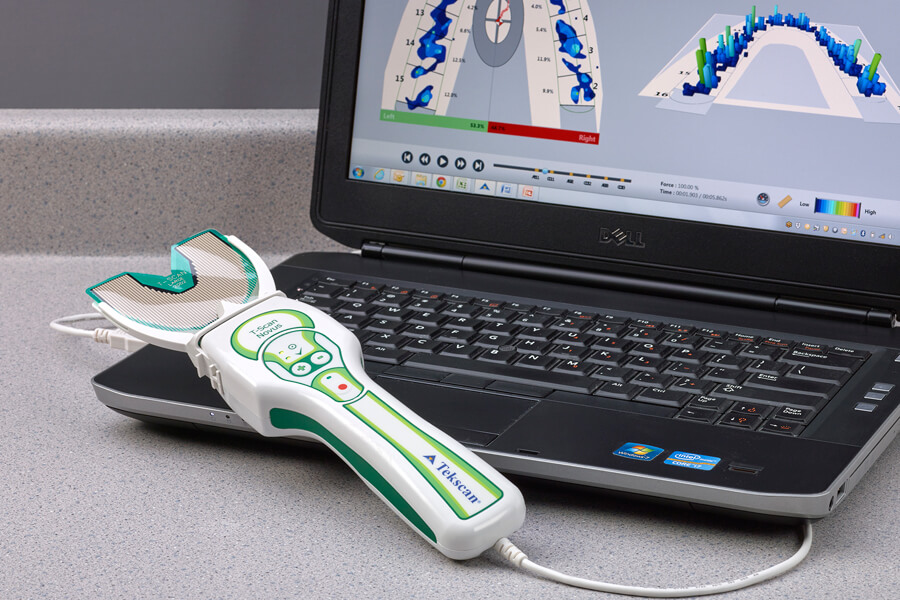
- T-Scan computerized occlusal analysis
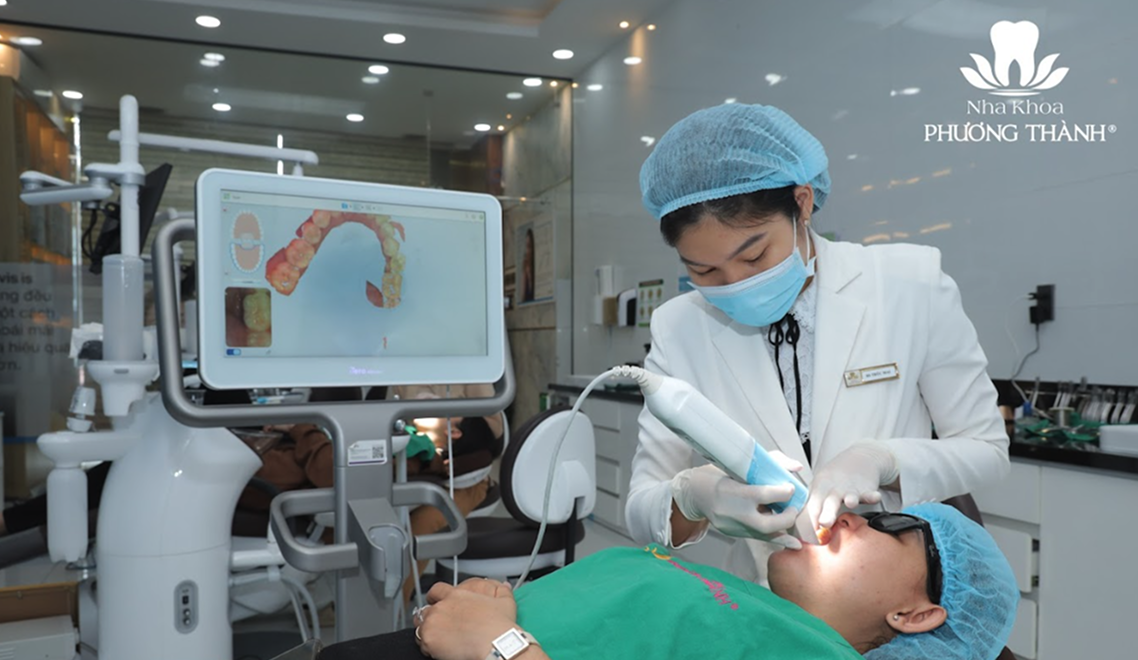
- 3D digital scanning
- Jaw movement analysis
- Chewing muscle activity measurement
As a result, clinicians can approach functional facial pain cases with greater precision, supporting the development of more appropriate and personalized treatment plans for each patient.
7. Modern Dentistry and Comprehensive Quality of Life
Modern dentistry today no longer stops at treating cavities or cosmetic restorations.
A healthy chewing system needs to ensure:
- Mechanical balance
- Stable chewing function
- Harmonious jaw movement
- Comfort of the musculoskeletal system
This reflects the major transformation of modern dentistry: it is gradually becoming a functional medical field directly connected to the comprehensive quality of life of individuals.
8. Conclusion
Sometimes, pain that has persisted for many years does not originate from the spine or the nervous system.
It may instead begin with an imbalanced bite that the patient has never considered.
Examination and functional assessment of the bite, temporomandibular joint, and chewing muscle system not only helps improve chewing function but also contributes to enhancing overall quality of life and whole-body comfort for patients.
References
-
Mayo Clinic – TMJ disorders: Symptoms and causes
-
Cleveland Clinic – Temporomandibular Joint Disorders (TMD)
-
NCBI – Occlusion and Temporomandibular Disorders: A Scoping Review
-
MDPI – The Correlation between Malocclusion and Body Posture
-
PubMed – Relationship between dental occlusion and body posture
-
NCBI Bookshelf – Temporomandibular Syndrome
PHUONG THANH DENTAL CENTER
Sa Dec Branch: 483 Hung Vuong, Cai Son Quarter, Sa Dec Ward, Dong Thap Province.
Hotline: 02773 95 6868
Cao Lanh Branch: 783 Pham Huu Lau, Cao Lanh Ward, Dong Thap Province (Dong Thap University Campus)
Hotline: 02773 95 6869
P.T.T

 Published: 14/05/2026
Dental Knowledge
Published: 14/05/2026
Dental Knowledge